In today's industrial landscape, the choice of power transformers is crucial for efficiency and safety. The demand for reliable power solutions is growing. According to a report by the International Energy Agency, the global transformer market is anticipated to reach $65 billion by 2026. This underscores the need for robust solutions like the Dry Power Transformer.
Industry expert John Baker, CEO of Power Innovations, states, “A Dry Power Transformer minimizes environmental risks while maximizing performance.” This highlights the critical advantages of choosing dry-type transformers. They eliminate the use of oil, reducing fire hazards and improving safety in various applications. Moreover, their compact design allows for easier installation in limited spaces.
Despite their benefits, some businesses still hesitate. Concerns about initial costs may overshadow the long-term gains. However, dry transformers often result in lower maintenance expenses and energy losses. The decision should balance costs with reliability and performance. Investing in a Dry Power Transformer can lead to lasting benefits for businesses across many sectors.
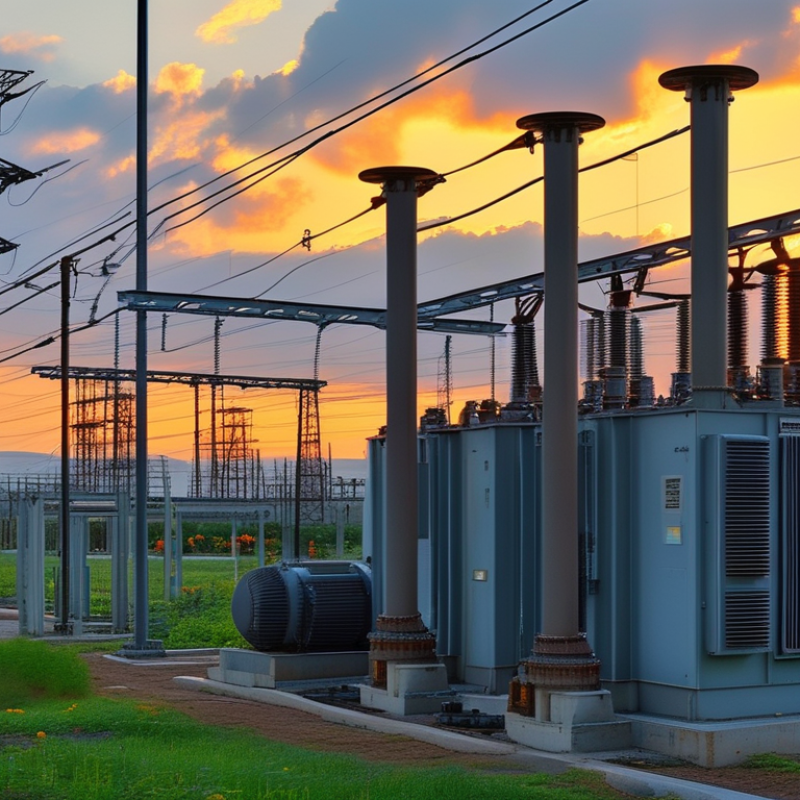
Dry power transformers are increasingly favored in industrial applications due to their numerous advantages. One significant benefit is their resistance to moisture. According to industry reports, dry transformers have a failure rate of only 0.5% due to environmental factors. This reliability makes them ideal for locations prone to humidity. Businesses save on maintenance costs while enjoying longer service life.
Another aspect to consider is energy efficiency. Studies indicate that dry transformers can operate with up to 98% efficiency, significantly reducing energy waste. This efficiency is crucial for large facilities where energy costs can accumulate rapidly. Enhanced efficiency translates into lower operating expenses and a reduced carbon footprint.
However, it’s essential to note that dry transformers do have some drawbacks. They may not handle overloads as effectively as their liquid-filled counterparts. This limitation can lead to concerns in high-demand situations. Additionally, installation can be more expensive upfront. Despite these challenges, the long-term benefits often outweigh the initial investment, making dry power transformers a strategic choice for many industrial operations.
When evaluating transformer options, it's crucial to compare dry power transformers and liquid-filled transformers. Dry power transformers use air as a cooling medium, while liquid-filled transformers rely on oil. This key difference leads to distinct advantages and limitations for each type.
Dry power transformers are often more suitable for environments where safety and clean operation are priorities. They minimize the risk of oil leaks and are less prone to flammability. This makes them ideal for indoor installations and locations with strict safety regulations. However, they typically have lower load capacity compared to liquid-filled options.
On the other hand, liquid-filled transformers can handle larger electrical loads, which can be beneficial for certain industrial applications. Yet, their maintenance requirements might be more complex due to potential environmental risks associated with the oil. Choosing between the two requires careful consideration of both operational needs and local regulations. Each option presents unique challenges and opportunities that require deep reflection before making a decision.
Dry power transformers are becoming increasingly vital for businesses looking to enhance energy efficiency. According to the U.S. Department of Energy, dry transformers can operate at efficiencies exceeding 98%. This high efficiency reduces energy losses, which directly impacts operational costs. Businesses can save substantially on electricity bills with these devices, minimizing their carbon footprint simultaneously.
Additionally, dry transformers often require less maintenance than their oil-immersed counterparts. They are designed to endure various environmental conditions, reducing replacement costs. A study by the National Electrical Manufacturers Association indicates that businesses can expect a payback period of around three to five years when opting for dry transformers over traditional options. This investment not only pays for itself but contributes to a sustainable energy strategy.
However, the initial installation costs can be higher. Many enterprises hesitate to switch due to upfront expenses. It’s crucial to analyze long-term benefits beyond initial investments. While the transition may seem daunting, the long-term savings and enhanced reliability make dry transformers a smart choice for many businesses. The energy efficiency realized can lead to an impressive return on investment, even in the face of initial financial commitments.
| Dimension | Description | Benefits | Energy Savings (%) |
|---|---|---|---|
| Efficiency Rating | Indicates the efficiency of the transformer in converting input power to output power. | Reduced energy waste, lower operating costs. | 10-15% |
| Maintenance Frequency | The frequency of required maintenance for optimal performance. | Less downtime, lower maintenance costs. | N/A |
| Lifespan | Average operational lifespan of the transformer. | Long-lasting, reducing the need for replacements. | N/A |
| Initial Cost | The upfront cost of purchasing and installing the transformer. | Potential for lower total cost of ownership over time. | N/A |
| Environmental Impact | Impact on the environment, including emissions and recyclability. | Less environmental risk, promotes sustainability. | N/A |
Choosing a dry power transformer can significantly enhance safety in industrial operations. These transformers have no liquid coolant, which minimizes the risk of fire hazards. According to the National Electrical Manufacturers Association (NEMA), dry transformers account for approximately 60% of the transformer market due to their safety features and reduced maintenance costs. This statistic underscores their importance in sectors where safety is paramount.
Dry power transformers also provide excellent insulation. They can operate effectively in various environments, from moist to dusty. This feature makes them ideal for facilities that face harsh conditions. Furthermore, their design eliminates the potential for oil leaks, which could contaminate surrounding areas. By using dry transformers, companies can avoid costly clean-up efforts and comply with environmental regulations more easily.
Tip 1: Regularly inspect and maintain your transformer to avoid unexpected failures. These checks can lengthen the lifespan of your equipment.
Tip 2: Invest in training for staff on safety protocols related to transformer operation. Knowledgeable employees help mitigate potential hazards. The integration of safety features in dry transformers reflects the evolving industry standards, which aim to protect both personnel and infrastructure. Even with these advancements, continuous monitoring and adaptation remain crucial for optimal performance and safety.
In recent years, several industries have witnessed a shift towards dry power transformers. These transformers are gaining traction due to their environmental benefits and lower maintenance costs. Sectors such as manufacturing, renewable energy, and commercial buildings show increased adoption rates. Companies increasingly prioritize sustainability, leading to a growing preference for equipment that minimizes ecological impact.
Dry power transformers utilize air cooling rather than oil. This unique feature reduces the risk of leaks and enhances safety. Industries handling sensitive or valuable equipment frequently opt for dry transformers. They provide reliable performance without the risks associated with liquid-filled transformers. Yet, businesses must evaluate their specific needs. Not all applications require dry transformers, and sometimes switching might not make sense.
Choosing a dry power transformer can be a complex decision. Companies should conduct thorough assessments of their power requirements. Consultation with industry experts can clarify potential benefits. It’s also essential to consider the long-term operational costs alongside initial investments. Understanding the local market trends provides insight into the efficiency of such transformers in various applications.
„Thanks to the LUVIR technology, the solder resist process could be switched directly from the previously used mask exposure to direct exposure. As an outstanding digital solution on the market, this technology has been able to demonstrate fast process times and superior quality on our certified conventional ink in production. This allowed us to fully digitize the solder mask process at low cost – without process or ink adjustments. An excellent benefit to our production in Rot am See.“
Ralf Göhringer (Head of Production WE Rot am See)
I would definitely recommend the Limata machine and team for a future company purchase
Michael Greenaway
Compunetics Inc.
“The Limata ldi has been amazing!! Best thing we did was buy this machine”
Richard Brady
GM
Circuitlabs
“Since 2019, we have been running the Limata X1000 LDI system (including LUVIR for solder mask imaging) in daily production as an addition to our current process with film. The machine was capable of properly exposing Taiyo PSR-4000 BN (DI) solder mask types on normal to high-copper boards using a new and unique direct imaging process. The machine operating interface is very user friendly which allowed for a quick technical training curve. The pre-registration processing reduced several seconds of production time at every print. Limata support and service staff is incomparable. They supported our team every step of the way at basically any time of the day or night, with literally, an immediate response time, customizing the software interface to best fit our Operations and needs.
We have exposed more than 8,000 prints since end of October, on various solder mask colors and some resist film panels. Limata, has proven to be very capable and innovative. They are a strong contender in the industry.
We have very much enjoyed this project, and working with the team!
Thank you Limata for the continued support and being a part of our growth.”
Bill Sezate
Vice President, GM
Summit Interconnect
As a replacement to our current contact exposure process with film, the LIMATA X2000 system including LUVIR-Technology was capable of properly exposing non-LDI solder mask types using a direct imaging process. The machine offers cutting edge software with a very intuitive operating interface which allowed for quick technician training curve. The dual drawer system combined with pre-registration processing reduced several seconds of production time at every machine cycle. Limata support and service staff is world class. They added software patches to keep production running at shortest possible response times, customized the software interface to best fit our in-house Operations system, and even wrote a step-by-step machine processing manual. As a result of the project, we have exposed more than 16,000 times on various product types and solder mask brands/colors. Limata, in a very short timeframe as a company, has definitely shown they are truly innovative and will be challenging the industry of direct imaging for the top spot.
Kevin Beattie
Process Engineer
TTM Technologies
Forest Grove Division
