In today’s industrial landscape, selecting the right equipment is crucial for project success. A Fusion Welding Machine stands out as an excellent choice for various applications. This innovative technology combines precision and efficiency.
With a Fusion Welding Machine, you can achieve strong, durable joints in metals and plastics. The process minimizes material distortion, which is beneficial for intricate designs. Many industries, including automotive and aerospace, rely on this machine for high-quality results.
However, it's essential to consider the specific requirements of your project. Each machine has its own capabilities and limitations. Sometimes, it may not fit every welding need. Reflecting on these aspects can lead to informed decisions. Choosing a Fusion Welding Machine is not just about immediate needs but future projects, too.
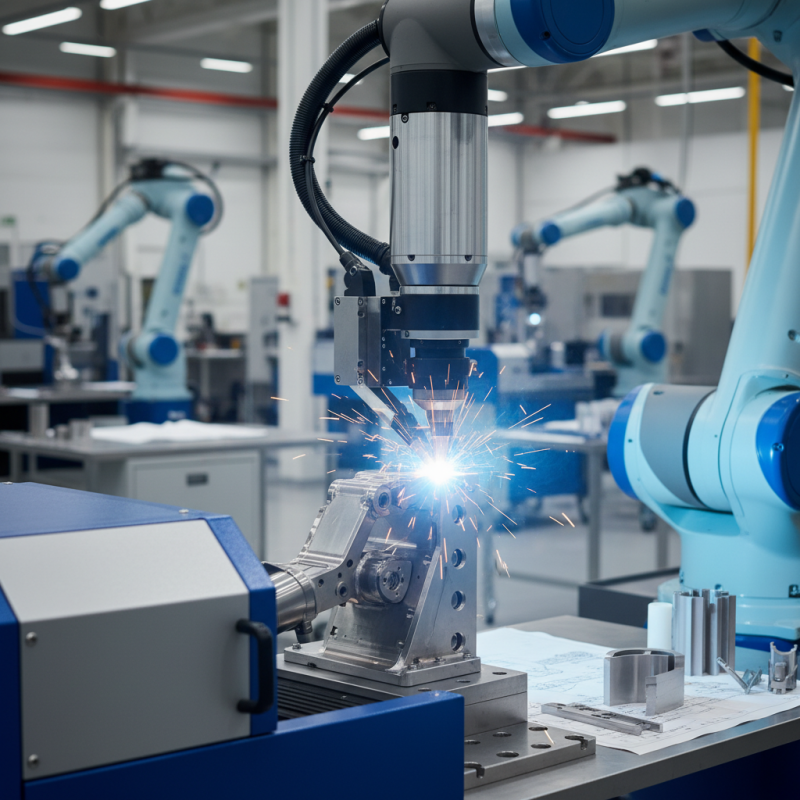
Fusion welding machines are becoming increasingly essential in modern manufacturing. These machines offer a high level of precision and efficiency. They use intense heat to fuse materials, creating strong bonds that can withstand significant stress. This method is particularly valuable for industries like automotive and aerospace, where reliability is crucial.
The benefits of fusion welding machines are manifold. They produce clean, seamless welds, reducing the need for secondary finishing processes. Operators appreciate the speed of production; tasks that once took hours can often be completed in minutes. However, it's essential to consider the learning curve associated with operating these machines. Training and experience are key to achieving optimal results.
Moreover, the cost of initial investment in fusion welding machines can be high. This barrier might make some manufacturers hesitant. Yet, the long-term savings from reduced waste and improved durability often outweigh the upfront costs. Reflecting on these factors can lead manufacturers to make informed decisions about integrating fusion welding technology into their operations.
This chart illustrates the various benefits of using fusion welding machines in modern manufacturing, highlighting aspects such as efficiency, cost-effectiveness, quality, and versatility.
When choosing a fusion welding machine, focus on key features that drive efficiency and quality. Look for a model with adjustable temperature controls. Accurate temperature management ensures strong welds and prevents material damage. A precise heat setting is crucial for unique project requirements. Additionally, consider the machine's duty cycle. A higher duty cycle supports longer welding sessions without overheating, enhancing productivity.
Portability is another essential feature. A lightweight design allows easy relocation on job sites. This is vital for projects that require mobility and flexibility. Evaluate the design and ergonomics. Comfort during operation minimizes fatigue, which improves output quality. However, beware of overcomplicated interfaces. User-friendly controls can be more effective, even if they lack advanced options.
Inspect the machine for compatibility with various materials. Versatility ensures it can handle diverse welding tasks. However, remember that not every machine can perform equally well on different materials. Conduct research or seek advice to find reliable recommendations. Finally, prioritize safety features. A robust safety system protects users from potential hazards. Being cautious and well-informed ensures successful outcomes in your welding projects.
| Feature | Description | Benefit |
|---|---|---|
| Portability | Lightweight design for easy transportation. | Facilitates work on-site or in various locations. |
| Power Options | Compatible with various power sources including generators. | Versatile use in different environments. |
| Control Features | Advanced digital controls for precise welding. | Improves quality and consistency of welds. |
| Cooling System | Efficient cooling mechanisms to prevent overheating. | Increases operational time and machine lifespan. |
| Material Versatility | Capable of welding various materials including steel, aluminum, and plastics. | Enhances application scope across different projects. |
Fusion welding is widely used in various industries due to its versatility and efficiency. In construction, it helps join metals seamlessly, ensuring structural integrity. This method is also essential in automotive manufacturing, where precise welding of components enhances vehicle safety. Additionally, fusion welding plays a critical role in shipbuilding, allowing for robust and durable welds in harsh marine environments.
In the energy sector, fusion welding ensures that pipelines and components can withstand high pressures. Hospitals rely on this technology for medical devices, ensuring equipment is both safe and reliable. These applications show how crucial fusion welding is in different fields. However, many may overlook proper training in this area, which can lead to safety risks.
Tips:
Fusion welding offers several advantages over traditional welding techniques. One significant benefit is its ability to create strong, uniform joints. Unlike methods such as arc welding, fusion welding minimizes thermal distortion. This feature is critical in projects requiring precision and durability. The controlled heat leads to fewer defects, ensuring a higher-quality finish.
When comparing fusion welding with methods like MIG or TIG, the differences are notable. MIG welding often involves a consumable wire, which can add complexity to the process. In contrast, fusion welding relies on the material itself, creating seamless bonds. TIG welding, while precise, can be slower and may require more skill. Many experienced welders prefer fusion for larger projects. However, each method has its challenges. For instance, fusion welding may require more effort in surface preparation.
Choosing the right welding technique depends on your project’s specific needs. Consider factors like joint type, material thickness, and desired strength. Experienced welders often face dilemmas on which method to choose. Each technique has its pros and cons, making it essential to weigh your options carefully. This reflection can lead to better project outcomes and improved welding skills.
Fusion welding machines are becoming a popular choice in various industries. Their cost efficiency is one of the key advantages. Many projects require durable and reliable joints. Fusion welding provides robust connections without the need for fillers. This can significantly reduce material costs.
Long-term savings are also significant with fusion welding machines. They often require less maintenance than traditional welding equipment. This translates to lower operational costs over time. In addition, the speed of fusion welding can improve productivity. Faster project completion means labor costs decrease. However, it is essential to consider the initial investment. Some might find the upfront cost daunting.
Despite this, many users find the long-term benefits outweigh the initial expense. Investing in a fusion welding machine can lead to better quality work. This might result in fewer repairs and reworks. Projects can run smoother, but it's crucial to ensure that operators are well-trained. Training can make a big difference in efficiency and safety.
„Thanks to the LUVIR technology, the solder resist process could be switched directly from the previously used mask exposure to direct exposure. As an outstanding digital solution on the market, this technology has been able to demonstrate fast process times and superior quality on our certified conventional ink in production. This allowed us to fully digitize the solder mask process at low cost – without process or ink adjustments. An excellent benefit to our production in Rot am See.“
Ralf Göhringer (Head of Production WE Rot am See)
I would definitely recommend the Limata machine and team for a future company purchase
Michael Greenaway
Compunetics Inc.
“The Limata ldi has been amazing!! Best thing we did was buy this machine”
Richard Brady
GM
Circuitlabs
“Since 2019, we have been running the Limata X1000 LDI system (including LUVIR for solder mask imaging) in daily production as an addition to our current process with film. The machine was capable of properly exposing Taiyo PSR-4000 BN (DI) solder mask types on normal to high-copper boards using a new and unique direct imaging process. The machine operating interface is very user friendly which allowed for a quick technical training curve. The pre-registration processing reduced several seconds of production time at every print. Limata support and service staff is incomparable. They supported our team every step of the way at basically any time of the day or night, with literally, an immediate response time, customizing the software interface to best fit our Operations and needs.
We have exposed more than 8,000 prints since end of October, on various solder mask colors and some resist film panels. Limata, has proven to be very capable and innovative. They are a strong contender in the industry.
We have very much enjoyed this project, and working with the team!
Thank you Limata for the continued support and being a part of our growth.”
Bill Sezate
Vice President, GM
Summit Interconnect
As a replacement to our current contact exposure process with film, the LIMATA X2000 system including LUVIR-Technology was capable of properly exposing non-LDI solder mask types using a direct imaging process. The machine offers cutting edge software with a very intuitive operating interface which allowed for quick technician training curve. The dual drawer system combined with pre-registration processing reduced several seconds of production time at every machine cycle. Limata support and service staff is world class. They added software patches to keep production running at shortest possible response times, customized the software interface to best fit our in-house Operations system, and even wrote a step-by-step machine processing manual. As a result of the project, we have exposed more than 16,000 times on various product types and solder mask brands/colors. Limata, in a very short timeframe as a company, has definitely shown they are truly innovative and will be challenging the industry of direct imaging for the top spot.
Kevin Beattie
Process Engineer
TTM Technologies
Forest Grove Division
