In today's fast-paced business environment, an Automated Storage System can greatly enhance efficiency. John Smith, a leading expert in supply chain automation, noted, “Businesses must adapt or be left behind.” This insight underscores the urgency for companies to consider modern solutions for inventory management.
Automated Storage Systems streamline operations and save valuable time. They enable accurate tracking of goods and reduce human error. Imagine a warehouse where products are retrieved automatically. This technology minimizes labor costs and maximizes space utilization. Still, companies may struggle with the initial investment and the learning curve associated with new systems.
Selecting an Automated Storage System is not just about technology; it’s about rethinking workflows. Organizations must evaluate their specific needs and challenges. Reflection on current processes is vital. Often, the greatest benefits come from a thorough understanding of one’s operations.
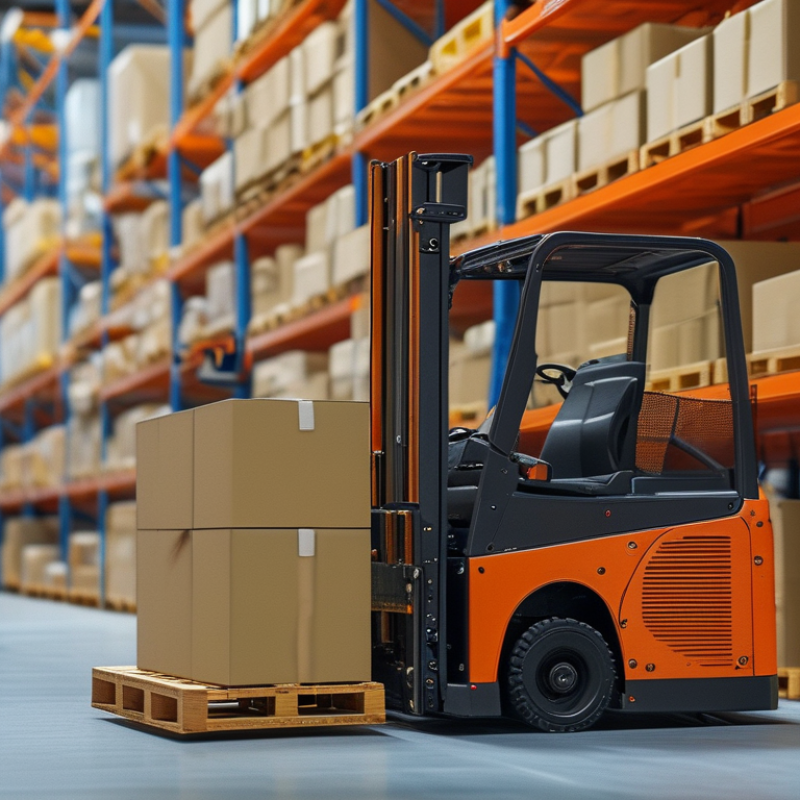
Implementing an automated storage system can revolutionize your business operations. By streamlining inventory management, these systems save time and reduce human error. Efficiency becomes a focus as machines handle storage tasks, allowing employees to concentrate on strategic initiatives. For example, an automated system can retrieve items quickly, eliminating the need for manual searches.
Cost savings are another significant benefit. While the initial investment may seem high, consider the long-term reductions in labor costs and improved accuracy. Automation minimizes the risk of overstocking and understocking, making supply chain management more effective. Businesses have reported increased profitability over time, proving the system's worth.
However, transitioning to automation can be complex and requires careful planning. Staff may need retraining, and the implementation phase could disrupt daily operations. Observing those challenges is crucial. With the right strategy, the long-term benefits can outweigh the initial hurdles, providing a path toward growth and innovation.
Automated storage systems are transforming how businesses manage inventory. These systems enhance efficiency through their key features, which include advanced organization and space optimization. By utilizing robotic technology, businesses can maximize their storage area, making it easier to find and retrieve items quickly.
Another vital aspect is the integration of real-time tracking. Such systems offer precise data on inventory levels and location. This ensures that businesses maintain optimal stock levels, reducing the risk of overstock or stockouts. Employees spend less time searching for products, leading to increased productivity. Yet, companies can still face challenges adapting to these technologies.
User-friendly interfaces and customization options make automation accessible. However, some employees may resist this shift due to fears of job displacement. Continuous training and support are necessary to address concerns and enhance user confidence. The adoption of automated storage systems can bring significant improvements, yet they just as easily may create hurdles to navigate.
Automated storage systems have gained significant attention in recent years. The cost-effectiveness of these solutions makes them appealing to businesses. According to a report by Logistics Management, companies using automated storage can lower their operational costs by 30% over time.
The initial investment can be daunting. However, the reduction in labor costs is often substantial. For example, a study from the Association for Supply Chain Management indicates that businesses can save up to 50% on labor with automation. Employees can focus on more value-added tasks, resulting in increased productivity. This shift is critical in competitive markets.
Automated systems also optimize space utilization. According to a Research and Markets report, effective storage can increase available space by up to 80%. This can lead to significant savings on warehouse leasing or construction costs. Understanding these elements can help businesses evaluate the true cost savings of automation. But, it’s essential to acknowledge that achieving optimal efficiency may take time and require ongoing adjustments.
Automated storage systems are reshaping how businesses manage their inventory. Research indicates that companies using such systems can reduce inventory errors by up to 70%. The accuracy of these systems mitigates risks associated with manual counting. A 2021 study found that 50% of organizations experience stock discrepancies, leading to wasted resources and lost sales.
Implementing automated systems also enhances efficiency. Most businesses report a 30% increase in storage space utilization following installation. This is crucial as space becomes more expensive. However, not all businesses see immediate improvements. Some struggle with integration, and a lack of training can lead to frustration. The upfront cost can be a barrier, especially for smaller enterprises.
Moreover, real-time inventory tracking allows businesses to respond swiftly to market changes. According to industry findings, firms leveraging such data are 40% more agile in their operations. However, reliance on technology raises concerns about potential outages. Companies must prepare for these challenges while embracing automation. Being proactive is key to navigating this evolving landscape.
The landscape of automated storage technology is rapidly evolving. According to a 2023 report by a leading logistics consultancy, the automated storage market is projected to grow at a CAGR of over 12% through 2028. This growth is driven by increasing efficiency demands in warehousing. Businesses are now focusing on integrating smart technologies to optimize space, reduce labor costs, and enhance inventory management.
One emerging trend is the adoption of Artificial Intelligence (AI) in storage systems. AI algorithms can predict inventory trends and manage stock levels more effectively. This technology can lead to a 30% reduction in holding costs, as reported by industry experts. Companies are also exploring autonomous mobile robots that can navigate warehouses, transporting goods without human intervention. However, implementing these systems requires careful planning and investment.
Despite the advantages, challenges remain. Not all businesses can easily transition to an automated system due to costs and infrastructure changes. Many organizations must evaluate their specific needs and capabilities. Analytics will play a crucial role in ensuring the right decisions are made. Understanding potential pitfalls and being prepared to adapt will be essential for those venturing into this high-tech storage future.
| Feature | Importance Level | Future Trend |
|---|---|---|
| Space Efficiency | High | Increased use of vertical space |
| Inventory Accuracy | High | Integration with AI for precision |
| Speed of Retrieval | Medium | Automation improving retrieval times |
| Labor Savings | High | Increased automation reducing labor costs |
| Safety | Medium | Robotic systems enhancing worker safety |
„Thanks to the LUVIR technology, the solder resist process could be switched directly from the previously used mask exposure to direct exposure. As an outstanding digital solution on the market, this technology has been able to demonstrate fast process times and superior quality on our certified conventional ink in production. This allowed us to fully digitize the solder mask process at low cost – without process or ink adjustments. An excellent benefit to our production in Rot am See.“
Ralf Göhringer (Head of Production WE Rot am See)
I would definitely recommend the Limata machine and team for a future company purchase
Michael Greenaway
Compunetics Inc.
“The Limata ldi has been amazing!! Best thing we did was buy this machine”
Richard Brady
GM
Circuitlabs
“Since 2019, we have been running the Limata X1000 LDI system (including LUVIR for solder mask imaging) in daily production as an addition to our current process with film. The machine was capable of properly exposing Taiyo PSR-4000 BN (DI) solder mask types on normal to high-copper boards using a new and unique direct imaging process. The machine operating interface is very user friendly which allowed for a quick technical training curve. The pre-registration processing reduced several seconds of production time at every print. Limata support and service staff is incomparable. They supported our team every step of the way at basically any time of the day or night, with literally, an immediate response time, customizing the software interface to best fit our Operations and needs.
We have exposed more than 8,000 prints since end of October, on various solder mask colors and some resist film panels. Limata, has proven to be very capable and innovative. They are a strong contender in the industry.
We have very much enjoyed this project, and working with the team!
Thank you Limata for the continued support and being a part of our growth.”
Bill Sezate
Vice President, GM
Summit Interconnect
As a replacement to our current contact exposure process with film, the LIMATA X2000 system including LUVIR-Technology was capable of properly exposing non-LDI solder mask types using a direct imaging process. The machine offers cutting edge software with a very intuitive operating interface which allowed for quick technician training curve. The dual drawer system combined with pre-registration processing reduced several seconds of production time at every machine cycle. Limata support and service staff is world class. They added software patches to keep production running at shortest possible response times, customized the software interface to best fit our in-house Operations system, and even wrote a step-by-step machine processing manual. As a result of the project, we have exposed more than 16,000 times on various product types and solder mask brands/colors. Limata, in a very short timeframe as a company, has definitely shown they are truly innovative and will be challenging the industry of direct imaging for the top spot.
Kevin Beattie
Process Engineer
TTM Technologies
Forest Grove Division
