Choosing the right Anchor Drill Rig can significantly impact your drilling projects. These machines are essential for various applications, including construction and geotechnical work. Understanding your specific requirements is crucial. The variety of Anchor Drill Rigs on the market can be overwhelming. Different models have unique features, capacities, and functionalities.
Consider the type of soil and the depth you need to reach. Some rigs perform well in rocky terrains, while others excel in softer soils. It’s important to assess their power and torque. Reliability is key; a malfunctioning rig can halt your project. Ask experts for opinions and look for user reviews.
While selecting the best rig, consider your budget and maintenance needs. Some rigs might be cost-effective upfront but expensive to maintain. Reflect on these aspects carefully. Your decision should align with project demands and financial constraints to ensure long-term success.
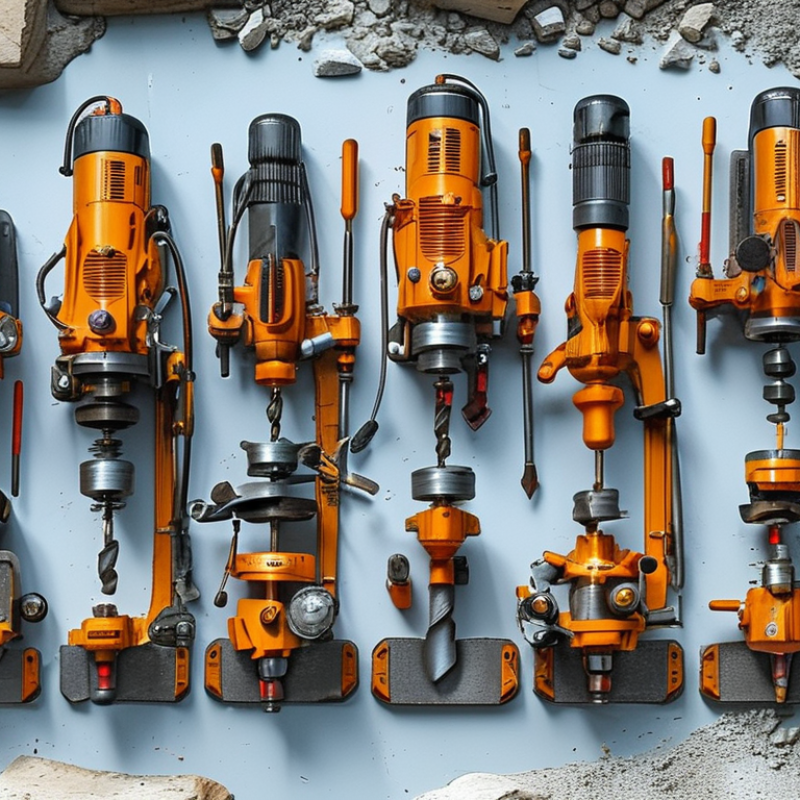
When embarking on an anchor drilling project, start by understanding the specific requirements of your job. Consider factors like soil type, depth, and project scale. Each project has unique conditions that can significantly affect drilling performance.
For instance, if you're drilling in rocky terrain, choose a rig with robust capabilities. Ensure it has a powerful motor and durable bits tailored for hard materials. This might require some research or discussions with experts. Engaging with local contractors can provide insights into what works well in your area.
Evaluate the size and mobility of the rig. A larger rig might offer more power, but it could be less maneuverable on tight sites. Analyze your workspace carefully.
When gathering equipment, remember that failure to assess your specific needs can lead to operational challenges. Take time to review your options. Planning for flexibility in your choice can save time and resources down the line.
| Dimension | Description | Recommended Value |
|---|---|---|
| Maximum Drill Depth | The maximum depth the rig can effectively drill. | Up to 50 meters |
| Drilling Diameter | The diameter of the hole that can be drilled. | 150 mm to 300 mm |
| Weight of Rig | The total weight of the drilling rig for transport and stability. | 2,500 kg |
| Power Requirement | The required power to operate the rig efficiently. | 70 HP |
| Mobility | The ease of moving the rig to different locations. | Trailers / Tracks |
| Drilling Method | Applicable drilling techniques suitable for different ground conditions. | Rotary, Percussive |
| Cost Range | Estimated expenditure for purchasing or renting the rig. | $30,000 - $150,000 |
When selecting an anchor drill rig, understanding the types available is crucial. Various kinds cater to specific tasks and site conditions. For instance, rotary drill rigs are widely used for deep foundations. They excel in tough ground conditions, providing efficient drilling. Another option is the top hammer rig, ideal for surface drilling. It operates well in various soil types, making it a versatile choice for many projects.
When choosing a rig, consider the depth and diameter of holes you need. This directly affects the rig's capability. It's also vital to assess the terrain. Some rigs perform better in rocky soil, while others excel in soft ground. Your project's unique requirements should guide your choice of equipment.
Think about maintenance and support. Some rigs may need more frequent upkeep. This could lead to downtime, affecting your project timeline. Additionally, operator training is necessary. Rigs can vary in complexity, so ensuring your team is well-trained can save time and reduce mistakes. A little research can help you avoid costly errors down the line.
When choosing an anchor drill rig, several key features must be considered. Assess the rig's performance specifications, such as drilling depth and speed. A rigorous test of capabilities can ensure the rig meets project demands. Evaluate the build quality, as durable materials prolong the rig's lifespan. Look for reputable manufacturers who follow industry standards.
Hydraulic power can make a significant difference in drilling efficiency. Ensure the rig has sufficient hydraulic capacity to handle various soil conditions. Compact design matters too. A smaller, more flexible rig can access tight sites easily. Remember to consider transportability, as it influences your rig's overall efficiency on job sites.
Pay attention to safety features. Operators should have clear visibility and protective measures in place. It is essential for maintaining a secure work environment. Also, think about maintenance requirements. Some rigs may require frequent servicing, which can lead to operational downtime. Reflect on how much maintenance is manageable for your team and budget.
When considering the purchase of an anchor drill rig, budget plays a crucial role. A typical mid-range rig can cost between $30,000 to $100,000, depending on features and capabilities. The cost of additional tools and equipment varies, often adding thousands more to the total. For operators with tight budgets, focusing on essential features that meet your operational needs can prevent overspending.
Evaluating the total cost of ownership is key. Regular maintenance and fuel consumption can impact long-term expenses significantly. According to industry data, maintenance costs can average around 10% of the initial investment annually. Always factor in these hidden costs when planning your budget.
When evaluating your options, consider the resale value of your drill rig. Some high-demand models retain value better than others. It may be worth investing in a more efficient model that offers better performance, even if it costs more upfront. Look for rigs known for reliability and quality performance. This approach could save you money over time, even if the initial outlay seems daunting.
Analyzing the financing options available can also help. Many manufacturers offer flexible payment plans. It’s wise to explore different financial institutions for the best rates. Having a solid financial plan can ease budget constraints while ensuring you acquire the equipment that suits your needs most effectively.
When selecting an anchor drill rig, evaluating the manufacturer's reputation and after-sales support is crucial. A strong reputation often reflects a commitment to quality and customer satisfaction. According to recent industry data, 75% of customers prioritize manufacturer reliability when purchasing heavy machinery. This finding underscores the importance of researching potential manufacturers. Look for companies with positive reviews and case studies showcasing successful projects. Such evidence can significantly increase your confidence in their product quality.
After-sales support is another critical factor. Machinery often requires maintenance and repairs. A manufacturer that offers prompt and efficient support can minimize downtime. Data shows that 65% of companies reported reduced operational efficiency due to inadequate after-sales service. Investing in equipment from a manufacturer that prioritizes after-sales can be financially sound in the long term.
Consider these points when making your decision. Reach out to past customers for insights. Verify warranty terms and service agreements. Ensure you have continuous support after your purchase. Taking these steps can lead to a more informed decision and ultimately, better performance on the job site.
„Thanks to the LUVIR technology, the solder resist process could be switched directly from the previously used mask exposure to direct exposure. As an outstanding digital solution on the market, this technology has been able to demonstrate fast process times and superior quality on our certified conventional ink in production. This allowed us to fully digitize the solder mask process at low cost – without process or ink adjustments. An excellent benefit to our production in Rot am See.“
Ralf Göhringer (Head of Production WE Rot am See)
I would definitely recommend the Limata machine and team for a future company purchase
Michael Greenaway
Compunetics Inc.
“The Limata ldi has been amazing!! Best thing we did was buy this machine”
Richard Brady
GM
Circuitlabs
“Since 2019, we have been running the Limata X1000 LDI system (including LUVIR for solder mask imaging) in daily production as an addition to our current process with film. The machine was capable of properly exposing Taiyo PSR-4000 BN (DI) solder mask types on normal to high-copper boards using a new and unique direct imaging process. The machine operating interface is very user friendly which allowed for a quick technical training curve. The pre-registration processing reduced several seconds of production time at every print. Limata support and service staff is incomparable. They supported our team every step of the way at basically any time of the day or night, with literally, an immediate response time, customizing the software interface to best fit our Operations and needs.
We have exposed more than 8,000 prints since end of October, on various solder mask colors and some resist film panels. Limata, has proven to be very capable and innovative. They are a strong contender in the industry.
We have very much enjoyed this project, and working with the team!
Thank you Limata for the continued support and being a part of our growth.”
Bill Sezate
Vice President, GM
Summit Interconnect
As a replacement to our current contact exposure process with film, the LIMATA X2000 system including LUVIR-Technology was capable of properly exposing non-LDI solder mask types using a direct imaging process. The machine offers cutting edge software with a very intuitive operating interface which allowed for quick technician training curve. The dual drawer system combined with pre-registration processing reduced several seconds of production time at every machine cycle. Limata support and service staff is world class. They added software patches to keep production running at shortest possible response times, customized the software interface to best fit our in-house Operations system, and even wrote a step-by-step machine processing manual. As a result of the project, we have exposed more than 16,000 times on various product types and solder mask brands/colors. Limata, in a very short timeframe as a company, has definitely shown they are truly innovative and will be challenging the industry of direct imaging for the top spot.
Kevin Beattie
Process Engineer
TTM Technologies
Forest Grove Division
