Choosing the right Bmc Composite Hydraulic Press can significantly impact your projects. The decision involves understanding your specific needs. Many factors influence this choice, such as the press's capacity, size, and functionality.
Each project may demand different capabilities. For instance, some materials require higher pressure. Others involve sensitive operations needing precise control. Familiarity with these details is vital. Evaluate your production requirements carefully to make an informed choice.
While it's tempting to choose based on price alone, consider the long-term benefits. A reliable Bmc Composite Hydraulic Press may cost more upfront. However, it could save you money in repairs and maintenance later. Look for reputable brands and read user reviews. Your investment in quality can lead to impressive results in your work.
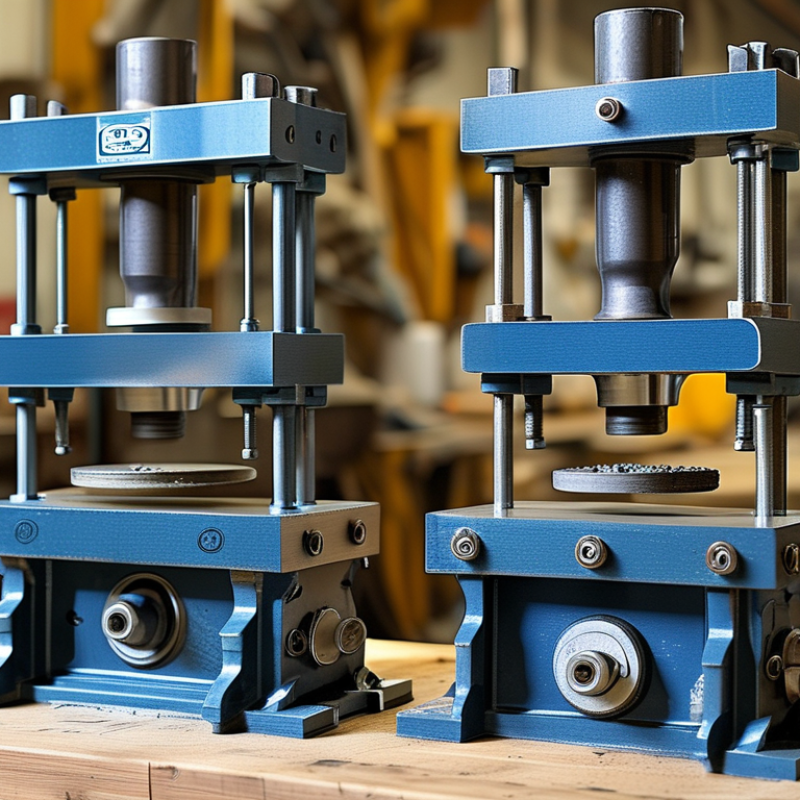
When considering a BMC composite hydraulic press, understanding its basics is crucial. These presses combine advanced technology with hydraulic principles to form various materials. They are essential in manufacturing sectors like automotive and aerospace. Knowing how they work can better inform your choice.
Tips: Assess your specific needs first. Consider the types of materials you will be pressing. Each material may require different pressures and settings. Not all hydraulic presses handle every composite material equally.
Hydraulic presses achieve high levels of force, yet factors like size and pressure capabilities vary. It might be easy to overlook specifications, but they greatly impact performance. Think about your workspace and how much room you have. A large press may not be practical for small facilities.
Tips: Read reviews and technical specifications carefully. Look for versatility in your chosen press. Not every option will meet your future requirements. It’s a common pitfall to focus solely on price and not the total long-term value. Choosing wisely can save money and time in the long run.
When selecting a Bmc composite hydraulic press, understanding your specific needs is critical. Start by evaluating the types of materials you will work with. The properties of composites differ significantly from metals. According to a 2021 industry report, 60% of manufacturers reported issues due to improper pressure settings. This emphasizes the importance of knowing the requirements for your specific applications.
Another key consideration is the size and capacity of the press. Your workspace and production volumes impact this decision. For instance, a small workshop often benefits from a compact hydraulic press, while large-scale operations may require higher tonnage capacities. Research indicates that 70% of production delays stem from inadequate equipment sizes.
Think about the versatility you need as well. Some presses offer adjustable features, catering to a range of projects. This flexibility can save time and resources. However, not all models are equally effective. A survey found that 80% of users regret not testing the machine's capability before committing. Understanding these elements helps ensure you select a hydraulic press that meets your evolving needs.
When selecting a BMC composite hydraulic press, comparing key features is vital. Different models vary significantly in specifications and capabilities. A recent industry report indicates that hydraulic presses can differ in pressing force, stroke length, and speed. For example, a press with a 100-ton capacity and a 6-inch stroke is more suitable for heavy-duty applications. In contrast, a 50-ton model with a shorter stroke may be ideal for lighter workloads.
Another crucial factor is control technology. Models with advanced digital interfaces allow for precise adjustments. This can improve operational efficiency. According to industry standards, presses offering adaptive control can enhance production quality by minimizing errors during operation. Variable speed settings also play a role, allowing operators to finetune their processes based on material characteristics.
Material compatibility is another area often overlooked. Not all hydraulic presses are designed for composite materials, which require specific handling. Press designs with reinforced frames may be beneficial but could lead to unnecessary costs if not matched to the user's needs. Always consider potential future applications. An unsuitable press model may limit versatility, constraining production capabilities over time.
When considering a BMC composite hydraulic press, evaluating manufacturer reputation is critical. A reliable manufacturer often has a history of quality products and satisfied customers. Look for companies with positive reviews and endorsements from industry experts. This provides assurance of their credibility and the durability of their presses.
Support is equally important when choosing a manufacturer. Assess the types of customer service they offer. Do they have a responsive support team? Can you easily reach them for questions or concerns? Good support can save you from potential issues later. A manufacturer that provides comprehensive manuals or guides contributes to your understanding and successful operation of the equipment.
Consider asking for references. Contacting other users can provide insights into the manufacturer's reliability. You might discover that some manufacturers are slow to respond or provide inadequate support. Ensuring that your chosen manufacturer has a solid reputation and offers good support can ultimately enhance your experience with the hydraulic press.
When considering a BMC hydraulic press, budget plays a crucial role. Identifying how much you can afford helps narrow your choices. A hydraulic press is an investment, and costs vary widely based on size, features, and quality. Setting a clear budget is essential before diving into options.
Tips: Research different models thoroughly. Check reviews and user feedback to gauge reliability. Find a balance between cost and quality. Sometimes, cheaper options may compromise on features. Do not overlook the potential long-term costs of maintenance and repairs.
As you weigh your budget, consider additional expenses. Shipping fees, installation, and training can add up. These costs often go unnoticed during initial purchase discussions. Also, remain flexible. You may need to adjust your budget based on the market. Look for financing options if necessary; they can ease the immediate financial burden.
Tips: Always keep future needs in mind. Think about how your requirements may evolve. Buying a versatile press may save you money in the long run. Prioritize features you truly need over flashy extras.
„Thanks to the LUVIR technology, the solder resist process could be switched directly from the previously used mask exposure to direct exposure. As an outstanding digital solution on the market, this technology has been able to demonstrate fast process times and superior quality on our certified conventional ink in production. This allowed us to fully digitize the solder mask process at low cost – without process or ink adjustments. An excellent benefit to our production in Rot am See.“
Ralf Göhringer (Head of Production WE Rot am See)
I would definitely recommend the Limata machine and team for a future company purchase
Michael Greenaway
Compunetics Inc.
“The Limata ldi has been amazing!! Best thing we did was buy this machine”
Richard Brady
GM
Circuitlabs
“Since 2019, we have been running the Limata X1000 LDI system (including LUVIR for solder mask imaging) in daily production as an addition to our current process with film. The machine was capable of properly exposing Taiyo PSR-4000 BN (DI) solder mask types on normal to high-copper boards using a new and unique direct imaging process. The machine operating interface is very user friendly which allowed for a quick technical training curve. The pre-registration processing reduced several seconds of production time at every print. Limata support and service staff is incomparable. They supported our team every step of the way at basically any time of the day or night, with literally, an immediate response time, customizing the software interface to best fit our Operations and needs.
We have exposed more than 8,000 prints since end of October, on various solder mask colors and some resist film panels. Limata, has proven to be very capable and innovative. They are a strong contender in the industry.
We have very much enjoyed this project, and working with the team!
Thank you Limata for the continued support and being a part of our growth.”
Bill Sezate
Vice President, GM
Summit Interconnect
As a replacement to our current contact exposure process with film, the LIMATA X2000 system including LUVIR-Technology was capable of properly exposing non-LDI solder mask types using a direct imaging process. The machine offers cutting edge software with a very intuitive operating interface which allowed for quick technician training curve. The dual drawer system combined with pre-registration processing reduced several seconds of production time at every machine cycle. Limata support and service staff is world class. They added software patches to keep production running at shortest possible response times, customized the software interface to best fit our in-house Operations system, and even wrote a step-by-step machine processing manual. As a result of the project, we have exposed more than 16,000 times on various product types and solder mask brands/colors. Limata, in a very short timeframe as a company, has definitely shown they are truly innovative and will be challenging the industry of direct imaging for the top spot.
Kevin Beattie
Process Engineer
TTM Technologies
Forest Grove Division
