When looking to choose the best Delivery Truck for your business needs, it’s crucial to gather insights from industry experts. John Smith, a veteran in logistics, once said, “A well-chosen delivery truck can revolutionize your operations.” His words underline the significance of making an informed decision in this area.
The right Delivery Truck can greatly enhance efficiency and customer satisfaction. Factors like size, fuel efficiency, and load capacity play pivotal roles in this choice. Many businesses overlook how a poorly matched truck affects their delivery timelines. A truck that is too large or too small can lead to inefficiencies. Finding the balance is key.
In addition, consider the maintenance costs associated with your selection. Some trucks may seem economical upfront but can lead to expensive repairs later. Reflecting on these details is important. Ultimately, investing time in choosing the right Delivery Truck is an investment in your company’s future.
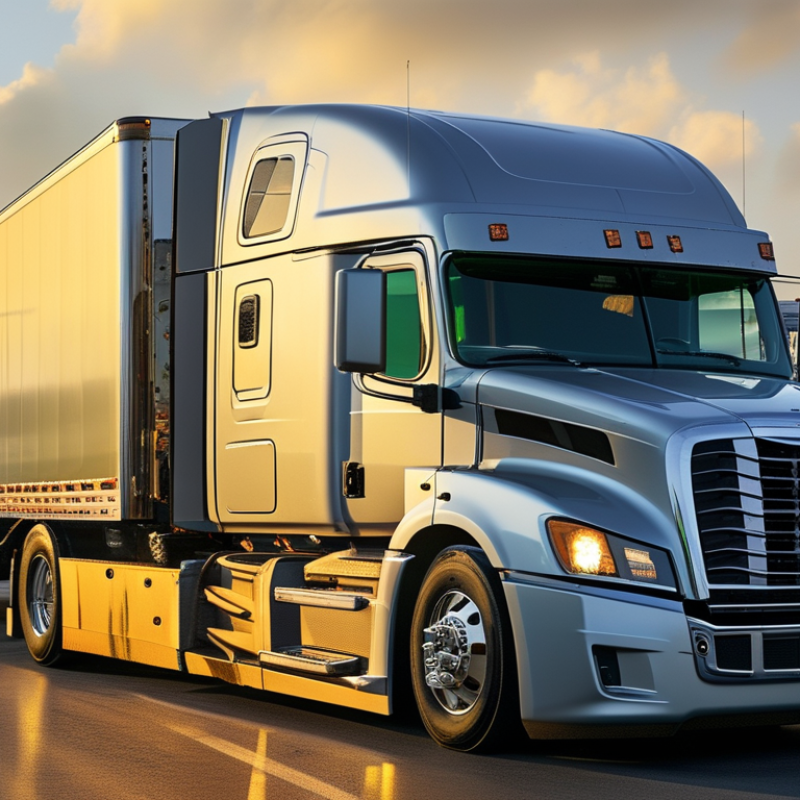
Choosing the right delivery truck is crucial. Identify your business requirements carefully. Start with the volume of goods you need to transport. The average small delivery truck can carry about 4,000 pounds. If your business requires more, a larger truck might be necessary.
Consider the types of products you deliver. If you transport perishable goods, a refrigerated truck is essential. According to industry reports, over 30% of businesses that use unrefrigerated trucks lose products during transit. Additionally, analyze the routes you take. Short, urban deliveries need different truck specifications than long-haul deliveries.
Budget plays a significant role too. Truck maintenance can cost around $1,200 annually. Don't forget the additional costs of fuel efficiency. A truck that gets 10 miles per gallon might seem cheap upfront but cost more in the long run. Assess your operational needs regularly. Some businesses discover that leasing, rather than buying, fits their needs better.
| Truck Type | Payload Capacity | Fuel Type | Average MPG | Typical Use |
|---|---|---|---|---|
| Light Duty Truck | 1,500 - 3,000 lbs | Gasoline | 15 - 20 MPG | Local Deliveries |
| Medium Duty Truck | 6,000 - 12,000 lbs | Diesel | 10 - 15 MPG | Regional Deliveries |
| Heavy Duty Truck | 15,000 - 30,000 lbs | Diesel | 6 - 10 MPG | Long-Distance Hauling |
| Box Truck | 2,500 - 10,000 lbs | Gasoline/Diesel | 8 - 12 MPG | Moving and Storage |
| Refrigerated Truck | 5,000 - 15,000 lbs | Diesel | 6 - 10 MPG | Food and Pharmaceuticals |
When selecting a delivery truck, consider the different types available. Each type serves a unique purpose and can impact your business's efficiency. Common options include cargo vans, box trucks, and refrigerated trucks. Cargo vans are great for urban deliveries, offering maneuverability and ease of parking. Box trucks are useful for transporting larger items, providing ample cargo space. Refrigerated trucks ensure perishable goods stay fresh during transit.
Tips: Evaluate your delivery area. If you are in a busy city, a smaller vehicle may be more appropriate. Consider the payload capacity needed. This impacts both fuel efficiency and overall costs. Don’t overlook the importance of fuel type; electric options can save on long-term expenses.
Think about how often your needs may change. A fixed type of vehicle may limit your flexibility. Investing in a multi-purpose truck might seem costlier but could be worth it in the long run. Reflect on the maintenance costs associated with each type of truck. Some vehicles may require more frequent servicing, which can affect your budget.
When selecting a delivery truck, key features and specifications play a vital role. Emphasizing payload capacity is essential. According to the American Trucking Associations, the average delivery weight for goods is around 10,000 pounds. Choosing a truck that meets or exceeds this figure ensures efficient delivery without compromising safety.
Fuel efficiency is another crucial specification. Recent data from the Environmental Protection Agency reveals that trucks can average between 6 to 8 miles per gallon. Models that perform better in this category can significantly reduce long-term operational costs. Consider vehicles with advanced fuel technology for better performance.
Also, examine cargo space and versatility. The right dimensions depend on your business needs. Some may require a box truck, while others benefit from vans. A flexible layout can adapt to varying delivery items, enhancing operational efficiency. Reflecting on these aspects can lead to improved decision-making and business growth. Moreover, overlooking the importance of regular maintenance might lead to higher costs. Consider the long-term impact of your choices.
This bar chart compares key features of delivery trucks relevant to business needs, including payload capacity, fuel efficiency, cargo volume, initial cost, and annual maintenance cost. Analyzing these dimensions can help in selecting the best delivery truck for your operations.
When selecting a delivery truck, start with costs and budget. Understand your financial limitations upfront. The price of a truck can vary significantly. Consider not just the purchase price but also maintenance costs, insurance, and fuel. Small businesses often overlook hidden expenses.
Evaluate your financing options carefully. Loans or leasing agreements can seem appealing, but they add monthly burdens. Make a detailed budget that includes all potential costs. This step is critical to avoid future financial strain. You may find that used trucks offer a more economical choice, although they may come with wear and additional repairs.
Think about the size and capacity you need. A larger truck may seem advantageous, but could lead to unnecessary costs in fuel and maintenance. Reflect on your delivery routes and load frequency. A well-planned investment should serve your needs without excessive spending. Finding balance is key; don’t let initial excitement cloud your judgment.
When considering delivery trucks, financing and leasing options play a crucial role. Many businesses face challenges in budgeting. It’s essential to understand the difference between leasing and purchasing. Leasing often requires a lower upfront payment, making it attractive. Businesses can enjoy lower monthly payments, which helps with cash flow. However, you won't own the truck at the end of the lease term.
Purchasing a truck may offer long-term savings. Once paid off, it's an asset for your business. But, the initial cost can be significant. It’s important to evaluate your budget and operational needs. Consider the total cost of ownership, including maintenance and insurance. A balance between truck performance and financial commitment is necessary.
Reflect on whether leasing or buying aligns with your business vision. Take into account your delivery volume and frequency. Some businesses may benefit from short-term leasing to test new models. Others might find long-term purchase more stable in the long run. Each option carries its benefits and drawbacks, so research thoroughly before deciding.
„Thanks to the LUVIR technology, the solder resist process could be switched directly from the previously used mask exposure to direct exposure. As an outstanding digital solution on the market, this technology has been able to demonstrate fast process times and superior quality on our certified conventional ink in production. This allowed us to fully digitize the solder mask process at low cost – without process or ink adjustments. An excellent benefit to our production in Rot am See.“
Ralf Göhringer (Head of Production WE Rot am See)
I would definitely recommend the Limata machine and team for a future company purchase
Michael Greenaway
Compunetics Inc.
“The Limata ldi has been amazing!! Best thing we did was buy this machine”
Richard Brady
GM
Circuitlabs
“Since 2019, we have been running the Limata X1000 LDI system (including LUVIR for solder mask imaging) in daily production as an addition to our current process with film. The machine was capable of properly exposing Taiyo PSR-4000 BN (DI) solder mask types on normal to high-copper boards using a new and unique direct imaging process. The machine operating interface is very user friendly which allowed for a quick technical training curve. The pre-registration processing reduced several seconds of production time at every print. Limata support and service staff is incomparable. They supported our team every step of the way at basically any time of the day or night, with literally, an immediate response time, customizing the software interface to best fit our Operations and needs.
We have exposed more than 8,000 prints since end of October, on various solder mask colors and some resist film panels. Limata, has proven to be very capable and innovative. They are a strong contender in the industry.
We have very much enjoyed this project, and working with the team!
Thank you Limata for the continued support and being a part of our growth.”
Bill Sezate
Vice President, GM
Summit Interconnect
As a replacement to our current contact exposure process with film, the LIMATA X2000 system including LUVIR-Technology was capable of properly exposing non-LDI solder mask types using a direct imaging process. The machine offers cutting edge software with a very intuitive operating interface which allowed for quick technician training curve. The dual drawer system combined with pre-registration processing reduced several seconds of production time at every machine cycle. Limata support and service staff is world class. They added software patches to keep production running at shortest possible response times, customized the software interface to best fit our in-house Operations system, and even wrote a step-by-step machine processing manual. As a result of the project, we have exposed more than 16,000 times on various product types and solder mask brands/colors. Limata, in a very short timeframe as a company, has definitely shown they are truly innovative and will be challenging the industry of direct imaging for the top spot.
Kevin Beattie
Process Engineer
TTM Technologies
Forest Grove Division
