Choosing the right Magnetic Assembly can be challenging. With various options and specifications, many factors come into play. Understanding your specific needs is crucial. This ensures that you select the most effective assembly for your application.
Magnetic Assemblies come in different shapes, sizes, and strengths. Each option serves unique purposes, impacting performance. Considerations include magnetic strength, durability, and environmental conditions. Evaluating these factors can prevent costly mistakes in the long run.
Being well-informed about Magnetic Assemblies increases the chances of successful integration. This knowledge fosters better decisions. Don't hesitate to seek expert advice. Reflect on your choices and their implications. Remember, the best Magnetic Assembly aligns with your requirements while enhancing efficiency and functionality.
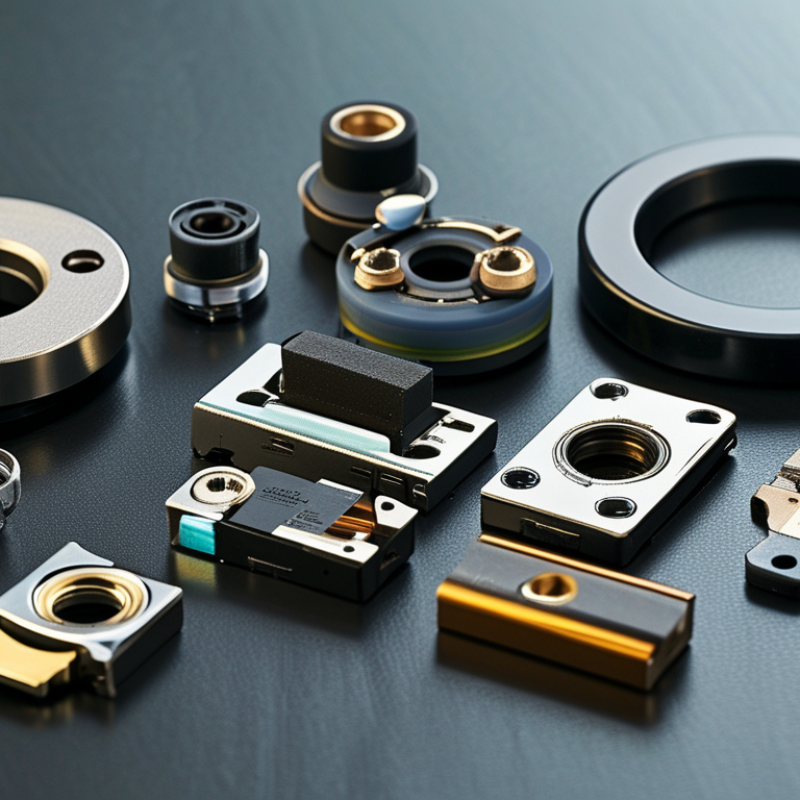
Magnetic assemblies come in various types, each serving unique purposes. The two most common types are neodymium and ferrite magnets. Neodymium Magnets are known for their strength and compact size, making them suitable for applications like motors and sensors. They can hold significant weight despite their small dimensions. Ferrite magnets, on the other hand, are more cost-effective but weaker. They are often used in larger-scale applications and can be found in toys and household items.
Understanding the specific application is crucial when choosing a magnetic assembly. For instance, if you need a magnet for a compact electronic device, neodymium is likely the best choice. However, if durability and cost are your primary concerns, ferrite might be more appropriate. It's essential to consider the environment too; some magnets can lose strength in high temperatures or corrosive conditions. This awareness can help avoid costly mistakes. Each choice has trade-offs, and it’s imperative to evaluate your needs carefully before making a decision.
When selecting a magnetic assembly, it’s essential to evaluate several key factors. These factors will help ensure you choose the most suitable option for your specific needs. Consider the type of application you require. Industrial uses often need stronger magnets, while other uses may prioritize size or weight.
One critical factor is the magnetic strength needed for your application. Assess the weight or load the assembly will handle. Test different configurations to find the right balance. It’s also important to think about the environment where the assembly will function. Exposure to heat, moisture, or chemicals can impact performance.
Tips: Always check the specifications of the magnetic materials. This prevents issues down the line. Don’t ignore the importance of testing prototypes in real conditions. Field testing can reveal unexpected performance issues.
Another aspect to consider is the assembly’s durability. Some may be too fragile for rough handling. Be cautious with cost; cheaper options may not last long. Balancing cost and quality is crucial. Quality ensures reliability, while affordability keeps budgets intact.
When selecting a magnetic assembly, understanding load capacity is crucial. Load capacity indicates the maximum weight a magnetic device can support. According to industry reports, many commercial magnetic assemblies can hold between 2 to 20 pounds. However, this range varies based on factors such as size, design, and material.
Strength also plays a significant role in determining the right assembly. The pull force must align with the application’s demands. For instance, industrial applications may require assemblies with a stronger magnetic pull, often exceeding 50 lbs. A mismatched strength could result in failure, leading to safety hazards.
Another aspect to consider is how environmental conditions affect performance. Temperature fluctuations can decrease magnetic strength. For example, neodymium magnets lose about 0.1% of strength per degree Celsius increase over 80°C. Evaluating these factors ensures you choose a reliable and effective magnetic assembly for your specific needs.
| Assembly Type | Load Capacity (lbs) | Magnet Material | Dimensions (inches) | Application |
|---|---|---|---|---|
| Magnetic Chuck | 300 | Neodymium | 12 x 12 x 2 | Metal Processing |
| Magnetic Holder | 50 | Ferrite | 5 x 5 x 1 | Assembly Work |
| Magnetic Base | 100 | Neodymium | 4 x 4 x 3 | Tool Holding |
| Magnetic Shielding | 200 | Samarium Cobalt | 10 x 10 x 1 | Electronics |
| Magnetic Lifter | 600 | Neodymium | 8 x 8 x 4 | Heavy Lifting |
Choosing the right materials and coatings for magnetic assemblies is crucial for their performance and durability. Common materials include neodymium and ferrite. Neodymium offers strong magnetism, while ferrite is cost-effective. Each material has specific applications, so understanding your needs is essential.
Coatings significantly influence the longevity of magnets. For instance, nickel-copper-nickel coatings enhance resistance to corrosion. However, they may chip under stress. Protective options like epoxy or rubber can provide better impact resistance. Choosing a coating depends on environmental conditions and mechanical stresses.
It's important to consider the trade-offs involved. A stronger magnet may need a more durable coating, which can increase costs. Some coatings might not be suitable for all applications. Testing samples in real-world conditions can help in making informed decisions. Be mindful of these details to ensure optimal performance and lifespan of your magnetic assemblies.
When considering the procurement of magnetic assemblies, cost is a key factor. Pricing can vary widely based on factors like material quality, strength, and application. It’s crucial to understand that while low-cost options might seem attractive initially, they can lead to higher expenses down the line due to durability issues. Investing in high-quality assemblies often results in better performance and longevity.
Budgeting for magnetic assemblies should also account for the total cost of ownership. This includes installation, maintenance, and potential replacement costs. Companies should conduct a thorough analysis of their needs. It’s wise to forecast potential future requirements as well. Unexpected demands can lead to rushed decisions, which often result in overspending.
Additionally, understanding your supplier's reputation helps in budgeting. Not all suppliers offer the same quality or service. A reputable supplier might charge more but can provide valuable support. This support often saves money in the long run. Companies would benefit from treating their magnetic assembly procurement as a strategic investment rather than just a transactional expense.
„Thanks to the LUVIR technology, the solder resist process could be switched directly from the previously used mask exposure to direct exposure. As an outstanding digital solution on the market, this technology has been able to demonstrate fast process times and superior quality on our certified conventional ink in production. This allowed us to fully digitize the solder mask process at low cost – without process or ink adjustments. An excellent benefit to our production in Rot am See.“
Ralf Göhringer (Head of Production WE Rot am See)
I would definitely recommend the Limata machine and team for a future company purchase
Michael Greenaway
Compunetics Inc.
“The Limata ldi has been amazing!! Best thing we did was buy this machine”
Richard Brady
GM
Circuitlabs
“Since 2019, we have been running the Limata X1000 LDI system (including LUVIR for solder mask imaging) in daily production as an addition to our current process with film. The machine was capable of properly exposing Taiyo PSR-4000 BN (DI) solder mask types on normal to high-copper boards using a new and unique direct imaging process. The machine operating interface is very user friendly which allowed for a quick technical training curve. The pre-registration processing reduced several seconds of production time at every print. Limata support and service staff is incomparable. They supported our team every step of the way at basically any time of the day or night, with literally, an immediate response time, customizing the software interface to best fit our Operations and needs.
We have exposed more than 8,000 prints since end of October, on various solder mask colors and some resist film panels. Limata, has proven to be very capable and innovative. They are a strong contender in the industry.
We have very much enjoyed this project, and working with the team!
Thank you Limata for the continued support and being a part of our growth.”
Bill Sezate
Vice President, GM
Summit Interconnect
As a replacement to our current contact exposure process with film, the LIMATA X2000 system including LUVIR-Technology was capable of properly exposing non-LDI solder mask types using a direct imaging process. The machine offers cutting edge software with a very intuitive operating interface which allowed for quick technician training curve. The dual drawer system combined with pre-registration processing reduced several seconds of production time at every machine cycle. Limata support and service staff is world class. They added software patches to keep production running at shortest possible response times, customized the software interface to best fit our in-house Operations system, and even wrote a step-by-step machine processing manual. As a result of the project, we have exposed more than 16,000 times on various product types and solder mask brands/colors. Limata, in a very short timeframe as a company, has definitely shown they are truly innovative and will be challenging the industry of direct imaging for the top spot.
Kevin Beattie
Process Engineer
TTM Technologies
Forest Grove Division
