Choosing the right Outdoor RMU (Ring Main Unit) is crucial for outdoor electrical distribution projects. According to industry reports, nearly 70% of electrical failures stem from improper equipment selection. This highlights the importance of understanding the specific needs of your project before making a choice.
When considering Outdoor RMUs, several factors come into play. The robustness of the RMU is vital. It should withstand harsh weather conditions and maintain reliability. Furthermore, efficiency ratings can vary significantly. Higher efficiency can reduce operational costs, making it a key consideration.
Market research suggests that the demand for Outdoor RMUs is growing rapidly, driven by renewable energy integration and urban infrastructure development. However, not all models are created equal. Users often overlook maintenance requirements, which can lead to increased downtime. The complexities of selecting the best Outdoor RMU require careful analysis and expert guidance to ensure optimal performance in field applications.
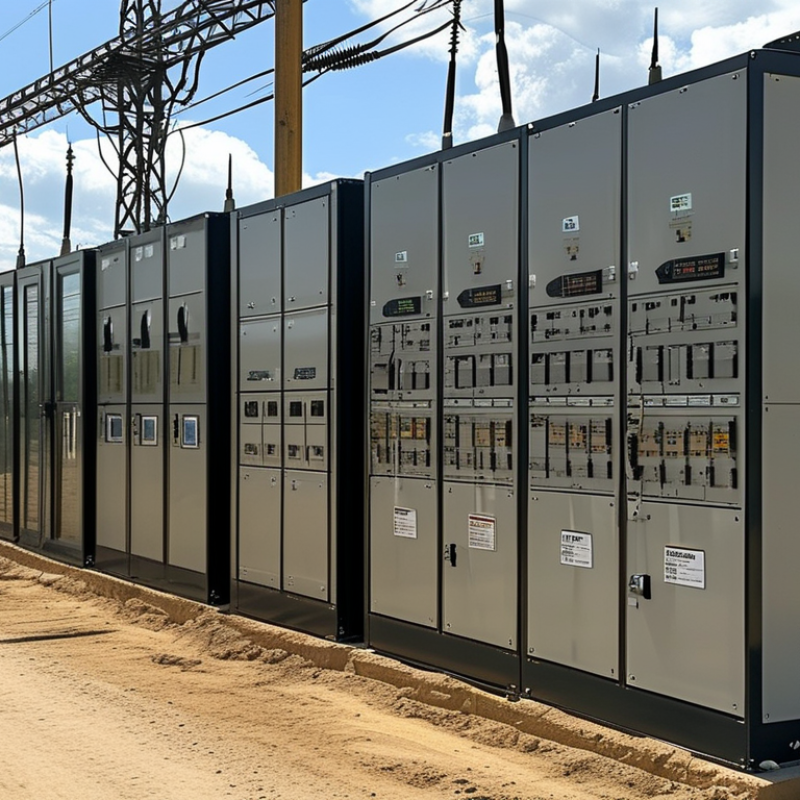
Choosing the best outdoor RMU (Ring Main Unit) is crucial for effective power distribution. Several factors deserve consideration. Climate resilience is vital. Statistics indicate that 30% of equipment failures stem from environmental factors. Ensure the RMU you select can withstand temperature fluctuations, moisture, and UV exposure.
Installation location is another important aspect. Studies show that about 25% of failures result from inappropriate siting. Assess available space and accessibility for maintenance. RMUs should facilitate easy access for personnel. Look for features that enhance durability, such as corrosion-resistant materials.
Lastly, consider future scalability. Up to 40% of projects require modifications within five years. An outdoor RMU that supports modular upgrades can save time and costs. Avoiding rigid designs now can enhance long-term effectiveness. Reflecting on these factors, you can make a more informed choice in your outdoor RMU selection.
When considering outdoor ring main units (RMUs), it's crucial to understand their types and applications. RMUs are essential for distributing electricity safely and efficiently. The choice of RMU impacts the reliability of power systems significantly.
There are three primary types of outdoor RMUs: modular, pre-fabricated, and compact. Each type offers specific advantages. Modular RMUs provide flexibility in configuration, making them ideal for expanding electrical networks. Reports suggest that modular designs can reduce installation time by up to 30%. In contrast, pre-fabricated RMUs are quicker to deploy and reduce on-site assembly challenges. Their use is predominant in areas with limited space. Compact RMUs are gaining popularity for urban projects, where space constraints are critical.
Environmental conditions also play a pivotal role in RMU selection. Outdoor RMUs must withstand harsh weather. Climate data indicates that temperature fluctuations significantly impact electrical equipment. Therefore, choosing an RMU that adheres to a specific climate's requirements is vital. Correct selection based on application ensures longevity and reduces maintenance costs. Understanding these nuances leads to better project outcomes.
This chart illustrates the number of applications for various types of Outdoor RMUs. Each type has its specific uses and deployment scenarios, making it essential to choose the right one for your projects based on application numbers.
When selecting an outdoor Ring Main Unit (RMU), certain key features are essential. Durability stands out among these aspects. RMUs must endure harsh weather conditions. Look for units that resist corrosion and can withstand temperature fluctuations. Materials like stainless steel often provide this robustness.
Another crucial feature is ease of maintenance. A good RMU should offer straightforward access for inspection and repairs. Simplicity can translate into significant time and cost savings. Consider whether the design facilitates quick servicing without extensive downtime.
Monitoring features are increasingly important. Built-in sensors can provide real-time data on performance and potential issues. These features enhance the reliability of the unit. They help in predictive maintenance, reducing unexpected failures. Remember to evaluate how intuitive the monitoring system is. Design should align with your team's expertise and needs.
When evaluating manufacturer reliability for outdoor RMUs, several factors come into play. The quality of materials used is crucial. Check if the manufacturer employs robust materials that withstand harsh weather conditions. Look for certifications indicating endurance and safety standards. These aspects reflect the manufacturer's commitment to delivering reliable products.
Another key factor is the manufacturer's track record. Investigate their history in the industry. A company with years of experience often has valuable insights into manufacturing robust equipment. Customer reviews and testimonials can reveal the reliability of their products. However, remember that a few negative reviews may signal room for improvement rather than a total lack of reliability.
After identifying potential manufacturers, consider their support services. Timely customer support can make a significant difference. Assess whether they provide warranties and after-sales service. A reliable manufacturer does not only sell a product but stands behind it fully. Regular maintenance and accessible support can enhance the overall lifespan of the RMU. This attention to detail is the hallmark of a trustworthy manufacturer.
When choosing an outdoor RMU, cost considerations are crucial. The price point can vary significantly based on the quality and features offered. Understanding these differences will aid in making a well-informed decision. Remember, the cheapest option may not always be the most economical in the long run.
Maintenance costs should be factored in, too. Some units require more frequent upkeep, which increases overall expenses. It’s essential to assess the warranty and support services provided. A solid warranty can offer peace of mind and prevent unexpected costs down the line.
Another aspect to consider is installation costs. Complex units might demand specialized labor, driving up the overall price. Take the time to budget not just for the unit itself, but for additional hidden costs. Investing time in research can yield cost savings and ensure the RMU you choose meets project requirements efficiently.
„Thanks to the LUVIR technology, the solder resist process could be switched directly from the previously used mask exposure to direct exposure. As an outstanding digital solution on the market, this technology has been able to demonstrate fast process times and superior quality on our certified conventional ink in production. This allowed us to fully digitize the solder mask process at low cost – without process or ink adjustments. An excellent benefit to our production in Rot am See.“
Ralf Göhringer (Head of Production WE Rot am See)
I would definitely recommend the Limata machine and team for a future company purchase
Michael Greenaway
Compunetics Inc.
“The Limata ldi has been amazing!! Best thing we did was buy this machine”
Richard Brady
GM
Circuitlabs
“Since 2019, we have been running the Limata X1000 LDI system (including LUVIR for solder mask imaging) in daily production as an addition to our current process with film. The machine was capable of properly exposing Taiyo PSR-4000 BN (DI) solder mask types on normal to high-copper boards using a new and unique direct imaging process. The machine operating interface is very user friendly which allowed for a quick technical training curve. The pre-registration processing reduced several seconds of production time at every print. Limata support and service staff is incomparable. They supported our team every step of the way at basically any time of the day or night, with literally, an immediate response time, customizing the software interface to best fit our Operations and needs.
We have exposed more than 8,000 prints since end of October, on various solder mask colors and some resist film panels. Limata, has proven to be very capable and innovative. They are a strong contender in the industry.
We have very much enjoyed this project, and working with the team!
Thank you Limata for the continued support and being a part of our growth.”
Bill Sezate
Vice President, GM
Summit Interconnect
As a replacement to our current contact exposure process with film, the LIMATA X2000 system including LUVIR-Technology was capable of properly exposing non-LDI solder mask types using a direct imaging process. The machine offers cutting edge software with a very intuitive operating interface which allowed for quick technician training curve. The dual drawer system combined with pre-registration processing reduced several seconds of production time at every machine cycle. Limata support and service staff is world class. They added software patches to keep production running at shortest possible response times, customized the software interface to best fit our in-house Operations system, and even wrote a step-by-step machine processing manual. As a result of the project, we have exposed more than 16,000 times on various product types and solder mask brands/colors. Limata, in a very short timeframe as a company, has definitely shown they are truly innovative and will be challenging the industry of direct imaging for the top spot.
Kevin Beattie
Process Engineer
TTM Technologies
Forest Grove Division
