In the textile industry, the choice of a Polyester Yarn Making Machine is crucial for efficiency and quality. According to a recent market analysis by Technavio, the polyester yarn market is projected to grow significantly, with a CAGR of over 6% from 2023 to 2027. As demand rises, the need for advanced machinery becomes more pressing. Industry expert Dr. Emily Wang stated, “Selecting the right machine can drastically affect the production output and quality of the yarn.”
The right polyester yarn machine impacts not only the cost-effectiveness of production but also the durability of the final product. Considerations include the machine's technology, energy consumption, and overall ease of use. Some machines boast features that enhance production speed but may lack reliability. Balancing speed and quality is a challenge many manufacturers face today.
Furthermore, understanding the operational intricacies of these machines is essential. Regular maintenance can mitigate frequent breakdowns, which are both costly and time-consuming. However, finding reliable information on potential pitfalls can be challenging. As the industry evolves, ensuring the right choice in a polyester yarn making machine remains a critical decision for future success.
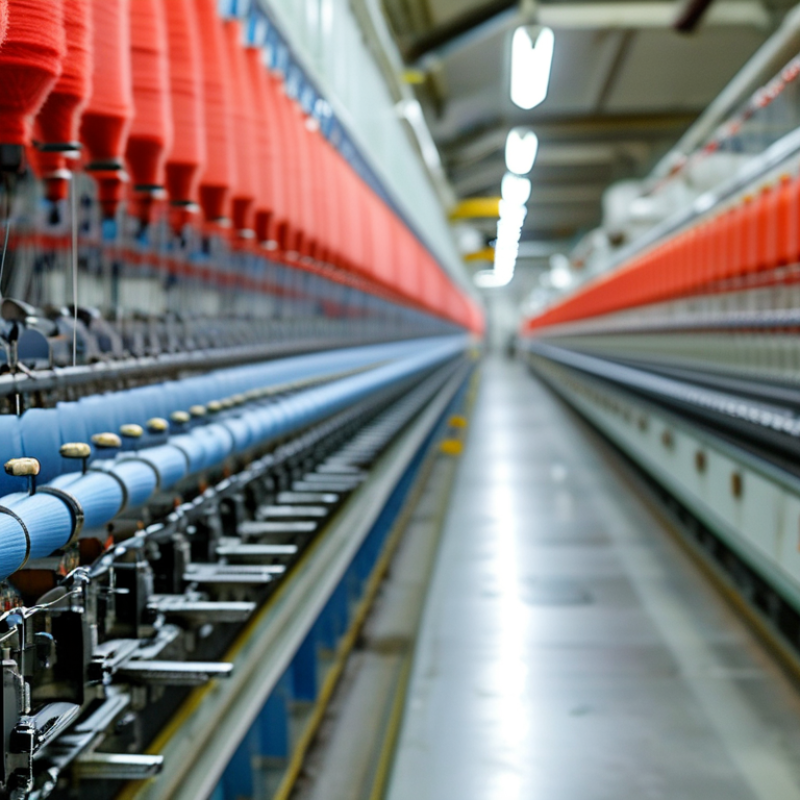
Understanding polyester yarn making machines is crucial for manufacturers. This process is integral to the textile industry. According to the Textile World report, the global polyester market is expected to reach $185 billion by 2026. Such growth emphasizes the importance of selecting the right machinery for production.
Polyester yarn making machines vary in specifications. Different models offer distinct spinning techniques and operational speeds. It is essential for producers to understand these factors. High-speed spinning machines can significantly increase output, improving overall efficiency. When evaluating options, consider the machine’s energy consumption, which can influence operational costs.
Tips: Always review maintenance requirements. Machines that demand frequent servicing can disrupt production. Also, analyze the learning curve for operators. A complex machine may require additional training, impacting productivity. Regularly assess your production needs. As demands change, reevaluating your machinery becomes essential.
When selecting a polyester yarn making machine, it's essential to consider several key factors. Machine efficiency is crucial, as it influences production capacity. A report by Technavio indicates that efficient machines can improve output by 25% compared to standard models. This directly impacts profitability and competitive edge in the market.
Quality durability is another important factor. Machines built with robust materials and technology offer longevity and less downtime. Reports show that machines with enhanced lifespan reduce costs by up to 15% over five years. Additionally, take into account the machine's versatility for producing various yarn types. Versatile machines can meet diverse customer demands without the need for significant investment in new equipment.
**Tip:** Always request machine demonstrations or trials before purchase. This can reveal potential operational challenges and ensure the machine meets specific production needs.
Another aspect to reflect on is the level of customer support from manufacturers. Accessibility to technical support and parts can be a game changer during production. Companies that offer extended training for operators will often yield better performance results.
**Tip:** Check for user reviews or industry testimonials to gauge the reliability of the machine based on real-world usage. This can provide insights into performance issues that may not be apparent during initial evaluations.
When choosing a polyester yarn making machine, it's crucial to dive into machine specifications and performance metrics. Key features include the machine's production capacity. According to industry reports, machines can range from producing 20 kg to over 500 kg of yarn per hour. A higher output often comes at a cost, tempting businesses to overlook quality.
Efficiency ratings are another critical aspect. Machines should have a high efficiency rate, ideally above 85%. However, achieving this can be inconsistent. Factors like fiber type and machine wear can lead to fluctuations. Quality control processes are essential. Regular maintenance is often neglected, which can affect performance long term.
Speed is important, but so is versatility. Some machines excel at various yarn types, while others are specialized. In a study, companies reported a 15% loss in potential revenue due to machinery unable to adapt to new materials. This suggests that investing in a flexible machine may save costs in the long run. However, the initial investment can be daunting, requiring careful consideration of the total cost of ownership.
When selecting a polyester yarn making machine, comparing manufacturers is crucial. A strong reputation in the industry suggests reliability. Research shows that companies with high ratings typically produce better machines. According to a 2022 report by the Textile Machinery Association, machines from reputable brands have a failure rate of below 3%.
Support from the manufacturer is essential. After-sales service can significantly impact productivity. A survey by the Global Textile Network indicated that 80% of manufacturers found prompt support enhanced their machine’s performance. An efficient support system means less downtime and more value from your investment.
Warranty terms matter. A longer warranty reflects a manufacturer’s confidence in their product. Often, a three-year warranty is standard among industry leaders. However, some lesser-known brands may offer similar terms but lack the quality assurance. Remember, cheaper does not always mean better. Evaluate your options carefully to find the right balance between cost and quality.
Tips: Request a demo before purchasing. Check online reviews to gather insights. Keep an eye on warranty conditions to avoid future surprises.
When considering the purchase of polyester yarn making machines, cost analysis plays a crucial role. The initial investment can vary significantly based on machine capabilities and technology. It's essential to calculate not only the purchase price but also ongoing maintenance expenses. Some machines require expensive parts and frequent servicing, which can quickly add up over time.
Budgeting for these costs demands careful thought. For instance, cheaper machines might save money upfront but incur higher repair costs. Evaluating total cost of ownership is vital. It's wise to seek multiple quotes and compare long-term benefits. Unexpected failures can lead to downtime and lost revenue, so reliability should be a priority.
Reflecting on past experiences is beneficial. Engage with other professionals in the textile industry. They can provide insights into the true costs associated with various machines. This information can help create a more realistic budget. Invest time in research; it can prevent costly mistakes in the future. Ultimately, preparing for all financial aspects will ensure a more successful investment.
| Machine Type | Initial Cost (USD) | Annual Maintenance Cost (USD) | Production Capacity (kg/day) | Energy Consumption (kW/h) | Average Lifespan (years) |
|---|---|---|---|---|---|
| Single Fiber Machine | $15,000 | $1,200 | 100 | 5 | 10 |
| Multi Fiber Machine | $25,000 | $2,500 | 200 | 10 | 12 |
| High-Speed Spinning Machine | $35,000 | $3,000 | 300 | 15 | 15 |
| Automatic Yarn Making Machine | $40,000 | $2,800 | 250 | 12 | 10 |
„Thanks to the LUVIR technology, the solder resist process could be switched directly from the previously used mask exposure to direct exposure. As an outstanding digital solution on the market, this technology has been able to demonstrate fast process times and superior quality on our certified conventional ink in production. This allowed us to fully digitize the solder mask process at low cost – without process or ink adjustments. An excellent benefit to our production in Rot am See.“
Ralf Göhringer (Head of Production WE Rot am See)
I would definitely recommend the Limata machine and team for a future company purchase
Michael Greenaway
Compunetics Inc.
“The Limata ldi has been amazing!! Best thing we did was buy this machine”
Richard Brady
GM
Circuitlabs
“Since 2019, we have been running the Limata X1000 LDI system (including LUVIR for solder mask imaging) in daily production as an addition to our current process with film. The machine was capable of properly exposing Taiyo PSR-4000 BN (DI) solder mask types on normal to high-copper boards using a new and unique direct imaging process. The machine operating interface is very user friendly which allowed for a quick technical training curve. The pre-registration processing reduced several seconds of production time at every print. Limata support and service staff is incomparable. They supported our team every step of the way at basically any time of the day or night, with literally, an immediate response time, customizing the software interface to best fit our Operations and needs.
We have exposed more than 8,000 prints since end of October, on various solder mask colors and some resist film panels. Limata, has proven to be very capable and innovative. They are a strong contender in the industry.
We have very much enjoyed this project, and working with the team!
Thank you Limata for the continued support and being a part of our growth.”
Bill Sezate
Vice President, GM
Summit Interconnect
As a replacement to our current contact exposure process with film, the LIMATA X2000 system including LUVIR-Technology was capable of properly exposing non-LDI solder mask types using a direct imaging process. The machine offers cutting edge software with a very intuitive operating interface which allowed for quick technician training curve. The dual drawer system combined with pre-registration processing reduced several seconds of production time at every machine cycle. Limata support and service staff is world class. They added software patches to keep production running at shortest possible response times, customized the software interface to best fit our in-house Operations system, and even wrote a step-by-step machine processing manual. As a result of the project, we have exposed more than 16,000 times on various product types and solder mask brands/colors. Limata, in a very short timeframe as a company, has definitely shown they are truly innovative and will be challenging the industry of direct imaging for the top spot.
Kevin Beattie
Process Engineer
TTM Technologies
Forest Grove Division
