Choosing the right Reverse Osmosis System can be daunting. With so many options available, how do you ensure you make the right choice? Dr. Emily Carter, a leading expert in water filtration, notes, “Selecting the right system is not just about cost; it’s about understanding your water needs.”
Understanding these needs involves evaluating your household’s water quality and requirements. Are you primarily concerned about contaminants? Or perhaps the taste and odor of your water? Each system offers different levels of filtration. This can affect both performance and maintenance.
Remember that what suits one household may not fit another. Customization is key. Some systems are designed for higher volumes, while others are compact for limited spaces. As you navigate these choices, reflect on your long-term goals. What matters most to you? Making an informed decision will ensure your selected Reverse Osmosis System provides safe and clean water for years to come.
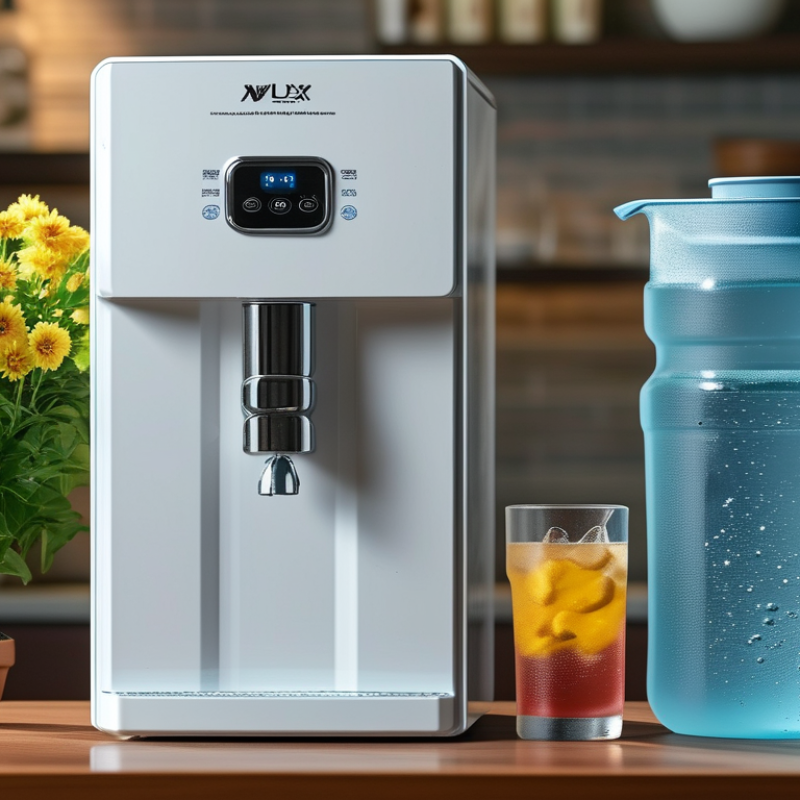
Reverse osmosis (RO) technology provides an effective solution for water purification. It removes impurities and contaminants, ensuring safe drinking water. This method forces water through a semi-permeable membrane, filtering out harmful substances. According to the Environmental Protection Agency (EPA), RO systems can eliminate up to 99% of lead, chlorine, and other pollutants. This makes them highly effective for residential and commercial use.
Understanding the benefits of reverse osmosis is crucial for making an informed choice. RO systems improve water taste and quality. They also reduce health risks associated with contaminated water. In areas where water quality is poor, these systems become imperative. The National Sanitation Foundation reports that consumers who use RO systems typically have a 60% lower risk of waterborne illnesses.
Tips: When choosing an RO system, consider the size and capacity. Further research can guide you in selecting the right model. Pay attention to maintenance needs, which can vary significantly. Regular filter changes are essential for efficiency. Be aware that not all contaminants may be removed, so testing your water source can highlight specific needs. This analysis helps in customizing your purification approach.
Assessing water quality is crucial when choosing a reverse osmosis system. It starts with understanding the contaminants present in your water supply. Common concerns include lead, chlorine, and nitrates. Testing your water helps you identify these harmful substances. You can use home testing kits or consult a professional service for accurate results. This knowledge shapes your decision on which system to buy.
Another factor to consider is your household's water usage. Families with high consumption may need a system with greater filtration capacity. Meanwhile, those with less demand might focus on compact and cost-effective solutions. Think about the water source as well. Well water often contains different contaminants compared to municipal water. Understanding these elements ensures you select a system tailored to your specific needs. A mismatch could lead to wasted resources or inadequate filtration. Reflecting on these details can make a significant impact on your water quality journey.
When selecting a reverse osmosis system, understanding capacity and size is crucial. Systems vary widely in how much water they can filter. Smaller units may provide a few gallons per day, suitable for single-person households. Larger systems can produce up to 100 gallons daily, ideal for families or offices. Assess your water needs carefully to avoid underperformance or excessive capacity.
Consider physical space as well. A compact system might fit easily under your kitchen sink, while a larger unit could require more installation space. Evaluate both your available area and your water consumption patterns. It's often easy to underestimate daily usage when planning, leading to potential regrets later on. You might also wish to think about future needs — will your household size grow?
Maintenance needs can change based on system size too. Larger systems may require more frequent filter changes. Just because a unit can handle high demand doesn’t mean it will be a hassle-free solution. Ensure that you are prepared for upkeep. Think about your lifestyle; choose a system that not only meets your current needs but remains feasible long-term.
When selecting a reverse osmosis system, key features are vital. First, consider the filtration stages. A reliable system often includes multiple stages, typically four or five. Each stage targets specific impurities, like lead and chlorine, ensuring cleaner water. More stages usually mean better purification. Yet, balance is essential; too many stages might slow down water production.
Next, check the membrane quality. A high-quality membrane removes contaminants effectively. Look for a system with a rejection rate above 90%. Some membranes last longer but may cost more upfront. Think about maintenance too. Systems with easy-to-replace filters save time and effort. Regular upkeep is necessary, but overcomplicating it might deter consistent use.
Water storage capacity matters as well. A larger tank provides more supply, especially during peak times. However, a bulky system might not suit small spaces. Finally, consider the warranty. A longer coverage period reflects confidence in the product but be cautious of overly complex claims. Simple solutions often work best, even in the world of reverse osmosis.
Installing a reverse osmosis (RO) system can seem daunting. It’s important to understand the specific requirements for a proper setup. First, check your water supply's pressure. An ideal pressure range is usually between 40-100 psi. If your pressure is below this, a booster pump could be necessary. Additionally, assess the available space. Ensure you have adequate under-sink room or a suitable area for the system.
Maintenance is key to keeping your RO system effective. Regularly replacing the filters can help maintain water quality. Most systems require filter changes every six to twelve months. Ignoring this can lead to lower efficiency. It's also beneficial to check the membrane once a year. Inspect for signs of wear or contamination. This step can prevent costly repairs later on.
Lastly, think about the waste ratio. Some systems waste more water than they purify. Reflect on this aspect while choosing a model. Higher efficiency systems may be slightly more expensive, but they save water and reduce your overall cost. Balancing these factors can lead to a more effective and sustainable water treatment solution.
„Thanks to the LUVIR technology, the solder resist process could be switched directly from the previously used mask exposure to direct exposure. As an outstanding digital solution on the market, this technology has been able to demonstrate fast process times and superior quality on our certified conventional ink in production. This allowed us to fully digitize the solder mask process at low cost – without process or ink adjustments. An excellent benefit to our production in Rot am See.“
Ralf Göhringer (Head of Production WE Rot am See)
I would definitely recommend the Limata machine and team for a future company purchase
Michael Greenaway
Compunetics Inc.
“The Limata ldi has been amazing!! Best thing we did was buy this machine”
Richard Brady
GM
Circuitlabs
“Since 2019, we have been running the Limata X1000 LDI system (including LUVIR for solder mask imaging) in daily production as an addition to our current process with film. The machine was capable of properly exposing Taiyo PSR-4000 BN (DI) solder mask types on normal to high-copper boards using a new and unique direct imaging process. The machine operating interface is very user friendly which allowed for a quick technical training curve. The pre-registration processing reduced several seconds of production time at every print. Limata support and service staff is incomparable. They supported our team every step of the way at basically any time of the day or night, with literally, an immediate response time, customizing the software interface to best fit our Operations and needs.
We have exposed more than 8,000 prints since end of October, on various solder mask colors and some resist film panels. Limata, has proven to be very capable and innovative. They are a strong contender in the industry.
We have very much enjoyed this project, and working with the team!
Thank you Limata for the continued support and being a part of our growth.”
Bill Sezate
Vice President, GM
Summit Interconnect
As a replacement to our current contact exposure process with film, the LIMATA X2000 system including LUVIR-Technology was capable of properly exposing non-LDI solder mask types using a direct imaging process. The machine offers cutting edge software with a very intuitive operating interface which allowed for quick technician training curve. The dual drawer system combined with pre-registration processing reduced several seconds of production time at every machine cycle. Limata support and service staff is world class. They added software patches to keep production running at shortest possible response times, customized the software interface to best fit our in-house Operations system, and even wrote a step-by-step machine processing manual. As a result of the project, we have exposed more than 16,000 times on various product types and solder mask brands/colors. Limata, in a very short timeframe as a company, has definitely shown they are truly innovative and will be challenging the industry of direct imaging for the top spot.
Kevin Beattie
Process Engineer
TTM Technologies
Forest Grove Division
