Choosing the right Rotary Drilling Rig KR60A can be a game-changer for your projects. Experts emphasize the importance of this decision. Mark A. Johnson, a leading authority in drilling technologies, states, "Selecting the correct rig is critical for efficiency and cost-effectiveness." His insights are invaluable in navigating the complexities of the industry.
The Rotary Drilling Rig KR60A stands out due to its innovative features and adaptability. It is designed to handle various soil conditions. This flexibility is a key advantage. However, potential buyers often overlook crucial factors. Understanding the specific requirements of your project is essential.
Investing time in research can prevent costly mistakes. Misalignment between project needs and rig capabilities can lead to inefficiencies. Reflecting on these aspects can significantly enhance your decision-making process. Ultimately, the right choice of Rotary Drilling Rig KR60A can lead to successful outcomes in your drilling endeavors.
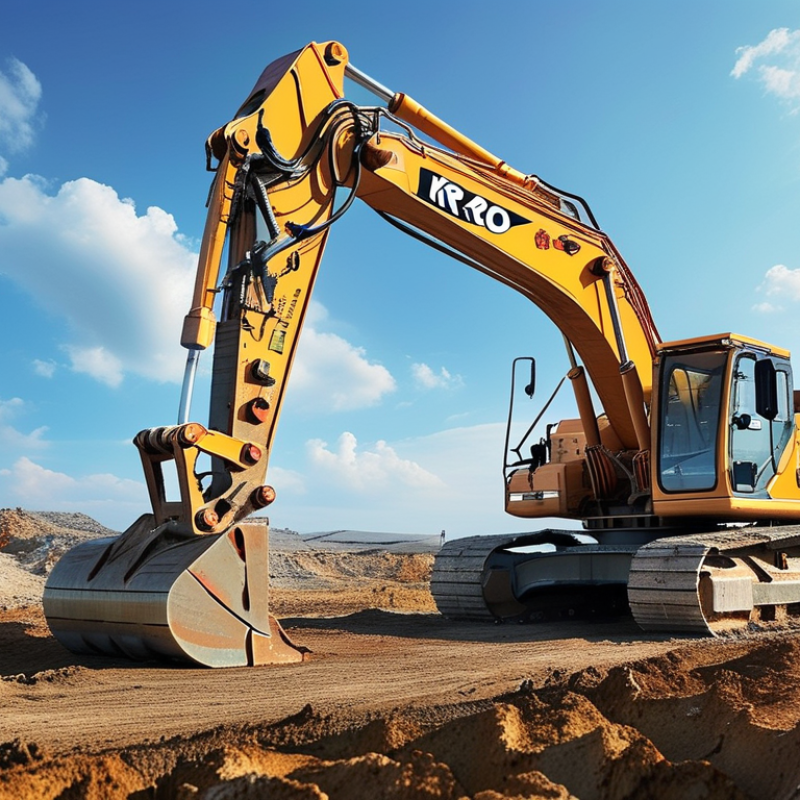
When choosing a rotary drilling rig like the KR60A, understanding the basics is essential. Rotary drilling rigs are vital for deep foundation work, geothermal installations, and even mineral exploration. They utilize a rotating drill bit to bore through various soil types. Operators must consider the rig's weight and power. A heavier rig provides stability but may limit mobility. Power is crucial for efficient drilling, especially in challenging ground conditions.
Another key factor is the rig’s operational versatility. Some rigs handle both soft and hard soils. This flexibility allows for a broader range of applications. However, not all rigs perform equally well in every environment. It's essential to assess your specific needs before making a decision. Additionally, operator experience plays a significant role in choosing the right equipment. An inexperienced operator may struggle with a complex rig, leading to inefficiencies or even safety issues.
Lastly, consider the costs associated with operating a rotary drilling rig. Maintenance and fuel consumption can impact your overall budget. While some rigs may seem affordable initially, hidden costs can add up quickly. Conducting thorough research and perhaps consulting with industry experts is advisable. Doing this will help you make an informed choice that aligns with your project needs and budget constraints.
| Feature | Specification | Importance |
|---|---|---|
| Drilling Depth | Up to 60 meters | Critical for reaching desired underground layers |
| Rotary Speed | 60-120 RPM | Affects drilling efficiency |
| Weight | 10,000 kg | Important for stability during operation |
| Hydraulic System Pressure | 25 MPa | Influences performance and power |
| Power Source | Diesel Engine | Essential for mobility and operation |
| Mast Height | 12 meters | Affects drilling angle and options |
When selecting a rotary drilling rig, the KR60A stands out with its robust features. Designed for versatility, this rig can handle various drilling applications. It boasts a powerful engine that enhances operational efficiency. Additionally, the advanced hydraulic system enables smooth drilling operations, crucial for challenging terrains.
Tip: Always assess your specific drilling needs before choosing. Understand the soil type and depth requirements for your projects. This knowledge will ensure the KR60A fits your operational goals.
Another vital feature is its user-friendly control system. Operators will find it easy to navigate and adjust settings. This reduces training time and increases productivity. Reliable safety features protect workers during operation. However, user experience may vary based on individual skill levels.
Tip: Regular maintenance is essential. Ensure all hydraulic components are inspected frequently. Neglecting maintenance can lead to costly downtimes. Consider keeping a log of maintenance activities to track performance over time.
When choosing a rotary drilling rig like the KR60A, it's crucial to evaluate key performance metrics. These include drilling depth, speed, and torque. According to the International Association of Drilling Contractors, optimal depth capacity significantly influences project efficiency. A rig capable of reaching at least 60 meters often offers better flexibility for various geological conditions.
Drilling speed is another critical factor. Industry reports suggest that rigs offering speeds over 30 meters per hour reduce downtime. However, this might sacrifice precision in certain challenging terrains. Torque is equally essential as it impacts the rig's ability to handle denser rock formations. It’s advisable to prioritize rigs with adjustable torque settings for varied soil types.
While these metrics provide a strong foundation for selection, they are not the sole indicators of capability. Consider the operational environment and the rig's adaptability. For example, a highly rated rig may not perform well in extreme weather or remote locations. This insight underscores the importance of hands-on experience with similar projects when making a decision. Balancing technical specifications with real-world conditions can lead to better outcomes.
When evaluating your project requirements for selecting a rotary drilling rig like the KR60A, consider several critical factors. First, analyze the types of materials you will be drilling through. Soil and rock conditions can greatly impact the rig's efficiency. Harder materials may require more powerful rigs with robust features.
Your project size and depth will also dictate your choice. Deep drilling requires rigs with longer reach and advanced stability. Assessing the terrain is equally important. Uneven or sloped ground may limit the mobility of certain rigs. You want to ensure that the rig can operate safely and efficiently in your specific environment.
Tips: Always gauge your crew’s experience with the equipment. Training may be necessary for optimal operation. Verify the availability of replacement parts and service providers, as this affects long-term reliability. Lastly, check the rig's specifications against your actual project needs. This can help avoid costly mistakes during execution. Remember, purchasing a rig is an investment. Make sure it aligns with your operational demands.
When considering the KR60A rotary drilling rig, budgeting is a crucial step. An accurate budget helps avoid unexpected costs. Analyze your project requirements first. Do you need it for small-scale projects or larger ones? Costs can vary significantly based on the type of work and the location.
Estimate direct expenses such as purchase price, permits, and transportation. It’s also wise to consider indirect costs. This includes maintenance and fuel, which might add up over time. Necessary training for operators can impact your budget too. Not factoring in these aspects could lead to financial strain later.
Reflect on your financing options. Some might seek loans or rental agreements. Weigh all possibilities carefully. It's essential to have a clear picture before making decisions. An ill-informed choice could lead to overspending or dipping into unnecessary debt.
„Thanks to the LUVIR technology, the solder resist process could be switched directly from the previously used mask exposure to direct exposure. As an outstanding digital solution on the market, this technology has been able to demonstrate fast process times and superior quality on our certified conventional ink in production. This allowed us to fully digitize the solder mask process at low cost – without process or ink adjustments. An excellent benefit to our production in Rot am See.“
Ralf Göhringer (Head of Production WE Rot am See)
I would definitely recommend the Limata machine and team for a future company purchase
Michael Greenaway
Compunetics Inc.
“The Limata ldi has been amazing!! Best thing we did was buy this machine”
Richard Brady
GM
Circuitlabs
“Since 2019, we have been running the Limata X1000 LDI system (including LUVIR for solder mask imaging) in daily production as an addition to our current process with film. The machine was capable of properly exposing Taiyo PSR-4000 BN (DI) solder mask types on normal to high-copper boards using a new and unique direct imaging process. The machine operating interface is very user friendly which allowed for a quick technical training curve. The pre-registration processing reduced several seconds of production time at every print. Limata support and service staff is incomparable. They supported our team every step of the way at basically any time of the day or night, with literally, an immediate response time, customizing the software interface to best fit our Operations and needs.
We have exposed more than 8,000 prints since end of October, on various solder mask colors and some resist film panels. Limata, has proven to be very capable and innovative. They are a strong contender in the industry.
We have very much enjoyed this project, and working with the team!
Thank you Limata for the continued support and being a part of our growth.”
Bill Sezate
Vice President, GM
Summit Interconnect
As a replacement to our current contact exposure process with film, the LIMATA X2000 system including LUVIR-Technology was capable of properly exposing non-LDI solder mask types using a direct imaging process. The machine offers cutting edge software with a very intuitive operating interface which allowed for quick technician training curve. The dual drawer system combined with pre-registration processing reduced several seconds of production time at every machine cycle. Limata support and service staff is world class. They added software patches to keep production running at shortest possible response times, customized the software interface to best fit our in-house Operations system, and even wrote a step-by-step machine processing manual. As a result of the project, we have exposed more than 16,000 times on various product types and solder mask brands/colors. Limata, in a very short timeframe as a company, has definitely shown they are truly innovative and will be challenging the industry of direct imaging for the top spot.
Kevin Beattie
Process Engineer
TTM Technologies
Forest Grove Division
