Choosing the right Stickpack Packaging Machine is crucial for businesses looking to optimize their packaging process. Industry expert James Fillmore, a leading authority in packaging technology, emphasizes, “The right machine can transform efficiency and quality.” This statement underscores the importance of understanding your specific needs when selecting a packaging machine.
Stickpack machines are versatile and cater to various products, from powders to granules. When investing in such technology, companies must consider their production volume and product nature. Not all machines are equal; some may offer advanced features that others lack. This variance can lead to operational challenges if the wrong choice is made.
As businesses navigate this decision, they often overlook critical factors like maintenance and support services. A lower initial cost does not always mean better value in the long run. An informed decision requires weighing both immediate costs and long-term benefits. Understanding these dynamics is essential for ensuring that your Stickpack Packaging Machine serves your operation well.
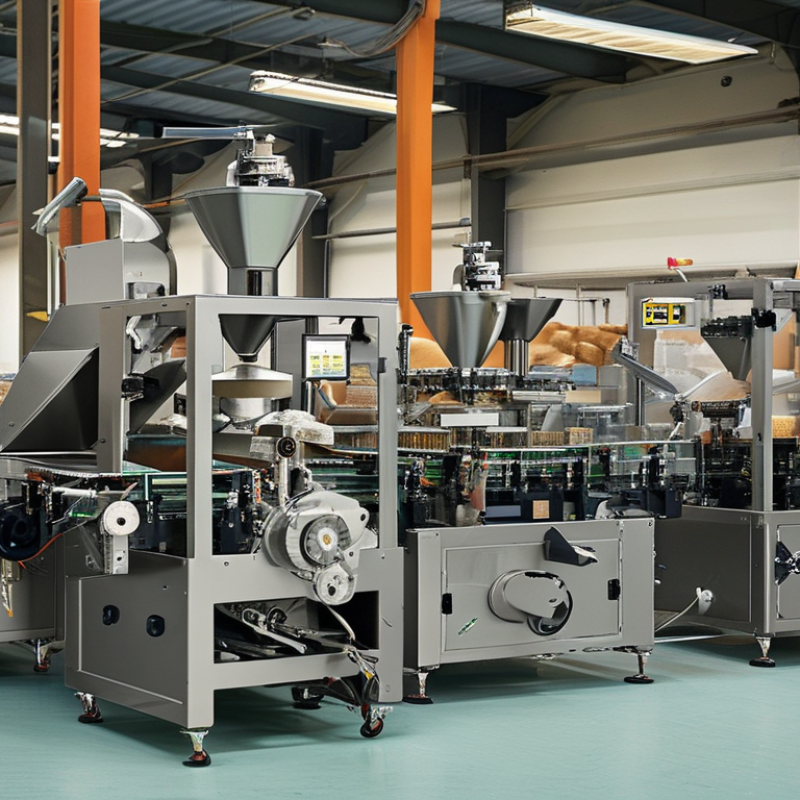
Stickpack packaging machines are essential in modern manufacturing. They offer efficiency and versatility. Understanding their importance can help businesses make informed decisions. These machines are designed for packaging a wide range of products, from powders to liquids.
Choosing the right stickpack machine involves evaluating specific needs. Consider the product type, size, and volume. Some manufacturers focus on nutritional supplements, while others handle food products. Each product has unique packaging requirements. Pay attention to the machine's adaptability and speed. High-speed machines can enhance productivity but may require more frequent maintenance.
It is crucial to review the machine's reliability. A dependable stickpack machine minimizes downtime. This can impact overall production efficiency. Additionally, think about the user interface and ease of operation. A complicated setup might lead to mistakes, causing frustration. Businesses should prioritize functionality alongside cost. Balancing these factors ensures that the chosen machine meets both operational goals and budget constraints.
When selecting a stickpack packaging machine, several key features are crucial to consider. You need to evaluate the machine's speed and efficiency. Faster machines can enhance productivity significantly. Think about the volume of product you package daily. A machine that suits your needs now may not suffice in the future. Capacity for scalability is vital.
Another important feature is the types of materials the machine can handle. Understanding the compatibility with various packaging films is essential. Some machines are limited to specific materials, which can be a drawback. Flexibility in packaging options can offer your business a competitive edge.
Also, consider the ease of use and maintenance. A user-friendly interface is crucial for operators. Machines that require less frequent maintenance can save time and costs. It’s essential to weigh these factors when choosing the right machine. Reflect on your current and future needs carefully.
| Feature | Description | Importance | Example Values |
|---|---|---|---|
| Speed | The maximum output speed of the machine, measured in packs per minute. | High | 50 - 300 packs/min |
| Bag Size Range | The range of sizes the machine can produce in stickpack format. | High | 20mm - 100mm width |
| Material Compatibility | Types of packaging materials the machine can handle (e.g., plastic, foil). | Medium | Plastic film, paper, foil |
| User Interface | The ease of use of the machine’s control panel or software. | High | Touchscreen, intuitive layout |
| Maintenance Requirements | How often the machine needs maintenance and the complexity of that maintenance. | Medium | Weekly to monthly upkeep |
| Energy Efficiency | The energy consumption of the machine during operation. | Medium | 5 - 15 kW |
| Customization Options | The ability to customize machine settings or features based on specific needs. | High | Variable settings for specific products |
When considering a stickpack packaging machine, it is essential to evaluate different types and models available. Each model serves unique needs and product types. Some machines cater to powders, while others are ideal for granules or liquids. Research shows that the global stick packaging market is projected to grow at a CAGR of 5.6% from 2021 to 2026, indicating rising demand for efficient packaging solutions.
Examining machine features is crucial. For instance, the speed of production varies significantly among models. Many machines can produce up to 150 packs per minute. However, not all can handle changes in product consistency without downtime. Flexibility plays a vital role, especially for businesses with a variety of products. A machine that can swap from one product type to another may reduce long-term costs.
It's also vital to assess the ease of maintenance. Some machines require specialized training, which can lead to longer downtimes. A recent report highlighted that maintenance costs can account for up to 15% of total operational expenses. Investing in user-friendly machines might mitigate these risks. Look for models with clear manuals and readily available support resources to ensure reliable operation.
When selecting a stickpack packaging machine, understanding cost versus benefits is crucial. An investment in advanced machinery can be substantial, often ranging from $20,000 to $150,000. However, the right choice can yield remarkable efficiency gains. For instance, automated machines can produce 300 to 600 packs per minute. This increase in output can significantly reduce labor costs and increase production capacity.
According to industry reports, companies that invest in efficient packaging solutions can achieve a return on investment (ROI) of over 20% within the first year. However, not all machines will meet your particular needs. Careful consideration must be given to factors such as machine speed, flexibility, and maintenance costs. It is essential to match the machine's capabilities with the product type to ensure optimal performance.
A thorough cost-benefit analysis reveals that overlooked expenses may arise. Maintenance and downtime need to be factored in, as they can influence overall productivity. While initial costs may be high, the long-term benefits often outweigh them. Yet, businesses should avoid solely chasing the latest technology without evaluating its relevance to their operations. Finding a balance between investment and practicality is key to sustainable growth in any packaging endeavor.
Maintenance and optimization of stickpack machines are crucial for efficiency. Regular cleaning is essential. A clean machine reduces contamination risks. It also enhances product quality. Daily checks on important components can prevent significant issues later. Inspect seals and sensors frequently. Replace worn-out parts before they fail. This can save time and money.
Training staff is often overlooked. Ensure operators know how to handle the machine properly. They should understand the adjustments needed for different materials. Poor handling can lead to malfunctions and downtime. Routine training refreshers can improve productivity. Encourage feedback from operators about machine performance. They may notice issues that aren’t immediately apparent.
Optimization shouldn’t be a one-time effort. Monitor production rates regularly. Use data analytics to identify patterns. Adjust settings based on real-time feedback. Small tweaks can create substantial improvements. Set realistic goals for machine speed and efficiency. Sometimes, slowing down can lead to fewer errors. Reflect on the overall process to continually enhance output.
„Thanks to the LUVIR technology, the solder resist process could be switched directly from the previously used mask exposure to direct exposure. As an outstanding digital solution on the market, this technology has been able to demonstrate fast process times and superior quality on our certified conventional ink in production. This allowed us to fully digitize the solder mask process at low cost – without process or ink adjustments. An excellent benefit to our production in Rot am See.“
Ralf Göhringer (Head of Production WE Rot am See)
I would definitely recommend the Limata machine and team for a future company purchase
Michael Greenaway
Compunetics Inc.
“The Limata ldi has been amazing!! Best thing we did was buy this machine”
Richard Brady
GM
Circuitlabs
“Since 2019, we have been running the Limata X1000 LDI system (including LUVIR for solder mask imaging) in daily production as an addition to our current process with film. The machine was capable of properly exposing Taiyo PSR-4000 BN (DI) solder mask types on normal to high-copper boards using a new and unique direct imaging process. The machine operating interface is very user friendly which allowed for a quick technical training curve. The pre-registration processing reduced several seconds of production time at every print. Limata support and service staff is incomparable. They supported our team every step of the way at basically any time of the day or night, with literally, an immediate response time, customizing the software interface to best fit our Operations and needs.
We have exposed more than 8,000 prints since end of October, on various solder mask colors and some resist film panels. Limata, has proven to be very capable and innovative. They are a strong contender in the industry.
We have very much enjoyed this project, and working with the team!
Thank you Limata for the continued support and being a part of our growth.”
Bill Sezate
Vice President, GM
Summit Interconnect
As a replacement to our current contact exposure process with film, the LIMATA X2000 system including LUVIR-Technology was capable of properly exposing non-LDI solder mask types using a direct imaging process. The machine offers cutting edge software with a very intuitive operating interface which allowed for quick technician training curve. The dual drawer system combined with pre-registration processing reduced several seconds of production time at every machine cycle. Limata support and service staff is world class. They added software patches to keep production running at shortest possible response times, customized the software interface to best fit our in-house Operations system, and even wrote a step-by-step machine processing manual. As a result of the project, we have exposed more than 16,000 times on various product types and solder mask brands/colors. Limata, in a very short timeframe as a company, has definitely shown they are truly innovative and will be challenging the industry of direct imaging for the top spot.
Kevin Beattie
Process Engineer
TTM Technologies
Forest Grove Division
