Choosing the right Thermoforming Packaging Machine can be challenging. Many factors influence this decision. A good machine should align with your production needs, materials, and budget.
Consider machine specifications like speed, size, and energy efficiency. Details such as ease of operation and maintenance are also crucial. Consulting experts in the field helps clarify these choices. However, even professionals may face uncertainty in selecting the best fit.
Reflecting on past experiences can guide your decision. Look for reviews and case studies of different machines. Users often share insights on reliability and performance. By examining various options, you can make an informed choice for your packaging needs.
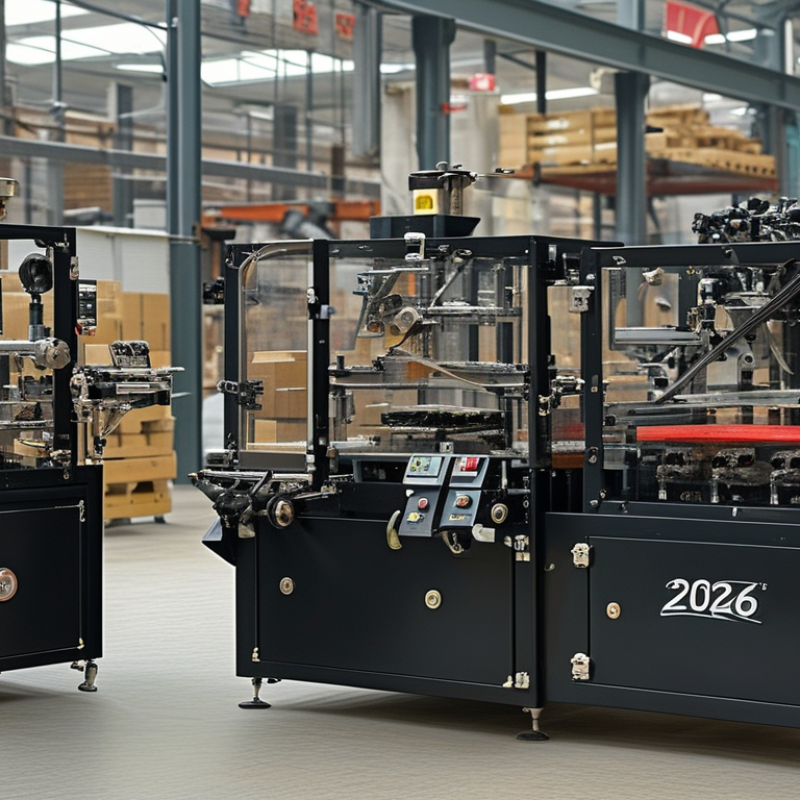
Thermoforming packaging machines play a vital role in manufacturing. They heat plastic sheets until soft and mold them into desired shapes. The process is efficient and widely used across various industries. Understanding how these machines work is essential for making informed decisions.
Different types of thermoforming machines exist, such as vacuum, pressure, and mechanical forms. Each type has unique advantages and applications. For example, vacuum forming is popular for creating packaging trays, while pressure forming offers more detail for intricate designs. Evaluating your specific needs is crucial. Assess the types of products you need to package and the materials required.
Choosing the right thermoforming machine involves more than understanding the technology. It's also about considering your production volume and budget. Higher initial costs may lead to better efficiency and quality. It’s important to weigh the long-term benefits against upfront investments. Every facility has unique requirements and limitations. Reflect on any previous experiences with machinery to avoid repeating mistakes.
When selecting a thermoforming packaging machine, key factors demand attention. Production volume stands out. A higher capacity machine, capable of handling 20,000 to 50,000 units daily, is essential for large-scale operations. Conversely, smaller businesses may seek machines with lower outputs, around 5,000 units. Understanding your production needs helps avoid costly adjustments later.
Another crucial consideration is material compatibility. Thermoforming machines often work with specific plastics, impacting both quality and cost. The Global Packaging Industry Report 2023 indicates that advances in biodegradable materials are gaining traction. Thus, choosing a machine that accommodates different material types can optimize your investment. Flexibility allows businesses to adapt to market trends swiftly.
Finally, energy efficiency is becoming increasingly vital. A report from the International Energy Agency highlights that energy-efficient machines can reduce operational costs by up to 30%. While more expensive initially, these machines offer long-term savings. It's essential to weigh such factors to ensure the selected equipment meets both current and future business demands.
| Feature | Importance Level | Price Range (USD) | Recommended Output (Units/hour) | Energy Efficiency |
|---|---|---|---|---|
| Material Compatibility | High | $25,000 - $60,000 | 100 - 300 | High |
| Machine Speed | Medium | $20,000 - $50,000 | 150 - 400 | Medium |
| Ease of Use | High | $30,000 - $70,000 | 80 - 250 | High |
| Maintenance Requirements | Medium | $15,000 - $40,000 | 50 - 200 | Medium |
| Customer Support | High | $10,000 - $30,000 | 60 - 180 | Medium |
When selecting a thermoforming packaging machine, understanding the different types is essential. The three primary categories include vacuum, pressure, and matched mold thermoforming machines. Each type serves a unique purpose based on product requirements. Vacuum thermoforming is widely used for packaging food and medical products. It provides excellent sealing and shelf life. Pressure thermoforming, on the other hand, offers more complex shapes and is ideal for durable items like automotive parts. Matched mold machines combine both methods, delivering highly accurate and custom designs.
According to industry reports, the global thermoforming equipment market is projected to grow significantly, with an estimated CAGR of 6.9% from 2023 to 2028. This growth reflects the increasing demand for eco-friendly packaging solutions. However, considering the diverse applications, it's critical to assess your specific needs carefully. Each machine type has its limitations. For instance, pressure forming might result in higher operational costs due to energy consumption.
Tip: Always evaluate the production volume before making a purchase. Assess your materials and end goals to ensure compatibility with the selected thermoforming machine. Seeking expert advice or conducting a trial run may help in making a more informed decision.
When evaluating thermoforming equipment, performance metrics are crucial. Key factors include cycle time, product quality, and energy consumption. A shorter cycle time can translate to higher productivity. However, too rapid production may compromise quality. Balancing speed and quality requires careful analysis of the equipment's capabilities.
Another important aspect is energy efficiency. Machines that consume less energy can reduce operational costs. Look for models with advanced controls that optimize power usage. However, investing in such technology often requires a larger upfront cost. It’s essential to assess the long-term savings against initial expenses.
Lastly, consider ease of maintenance. Equipment that is complicated to service can lead to costly downtime. Regular maintenance schedules are vital for prolonged machine life. Reflect on the support you’ll receive from manufacturers. Evaluating these factors ensures informed decisions in selecting the best thermoforming packaging machine.
When investing in thermoforming packaging solutions, the cost is crucial. Analyzing costs helps to budget effectively. Various factors influence the price, including machine type, features, and capacity. It is essential to understand how each aspect impacts your total expenditure.
Consider operating costs too. Energy consumption, maintenance, and labor all factor into your budget. A high initial cost doesn’t always mean better value long-term. Inexperienced users might overlook essential features that could save them money.
Tips: Research comprehensive cost breakdowns from various suppliers. Ask for detailed reports on running costs over time. Look for hidden fees or additional expenses in quotes. Understand the trade-offs between lower upfront costs and higher operational costs later. Prioritize features that align with your production needs. Balance quality and affordability for better outcomes.
„Thanks to the LUVIR technology, the solder resist process could be switched directly from the previously used mask exposure to direct exposure. As an outstanding digital solution on the market, this technology has been able to demonstrate fast process times and superior quality on our certified conventional ink in production. This allowed us to fully digitize the solder mask process at low cost – without process or ink adjustments. An excellent benefit to our production in Rot am See.“
Ralf Göhringer (Head of Production WE Rot am See)
I would definitely recommend the Limata machine and team for a future company purchase
Michael Greenaway
Compunetics Inc.
“The Limata ldi has been amazing!! Best thing we did was buy this machine”
Richard Brady
GM
Circuitlabs
“Since 2019, we have been running the Limata X1000 LDI system (including LUVIR for solder mask imaging) in daily production as an addition to our current process with film. The machine was capable of properly exposing Taiyo PSR-4000 BN (DI) solder mask types on normal to high-copper boards using a new and unique direct imaging process. The machine operating interface is very user friendly which allowed for a quick technical training curve. The pre-registration processing reduced several seconds of production time at every print. Limata support and service staff is incomparable. They supported our team every step of the way at basically any time of the day or night, with literally, an immediate response time, customizing the software interface to best fit our Operations and needs.
We have exposed more than 8,000 prints since end of October, on various solder mask colors and some resist film panels. Limata, has proven to be very capable and innovative. They are a strong contender in the industry.
We have very much enjoyed this project, and working with the team!
Thank you Limata for the continued support and being a part of our growth.”
Bill Sezate
Vice President, GM
Summit Interconnect
As a replacement to our current contact exposure process with film, the LIMATA X2000 system including LUVIR-Technology was capable of properly exposing non-LDI solder mask types using a direct imaging process. The machine offers cutting edge software with a very intuitive operating interface which allowed for quick technician training curve. The dual drawer system combined with pre-registration processing reduced several seconds of production time at every machine cycle. Limata support and service staff is world class. They added software patches to keep production running at shortest possible response times, customized the software interface to best fit our in-house Operations system, and even wrote a step-by-step machine processing manual. As a result of the project, we have exposed more than 16,000 times on various product types and solder mask brands/colors. Limata, in a very short timeframe as a company, has definitely shown they are truly innovative and will be challenging the industry of direct imaging for the top spot.
Kevin Beattie
Process Engineer
TTM Technologies
Forest Grove Division
