Choosing the right Transfer Pump can be challenging. With so many options available, it’s crucial to understand your specific needs. A transfer pump is not just a simple tool; it's an investment in efficiency and safety for your tasks.
The right transfer pump should handle your specific substances. Whether you're moving water or more viscous liquids, each pump serves a unique purpose. Consider features like flow rate and power source. These details impact your pump's effectiveness.
It’s essential to evaluate reliability before making a decision. Reviews and recommendations from trusted sources can guide you. However, not every high-rated pump will suit your needs. Reflecting on your requirements can help avoid costly mistakes. A carefully chosen transfer pump can make all the difference in your projects.
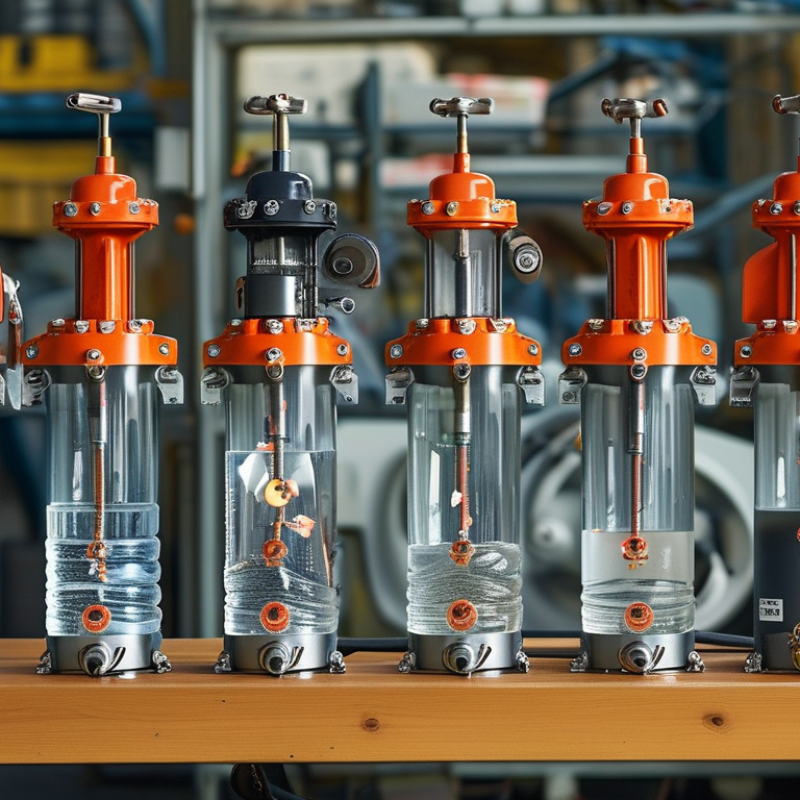
When choosing a transfer pump, understanding the types available is crucial. Transfer pumps vary widely, each designed for specific applications. Common types include centrifugal pumps, diaphragm pumps, and gear pumps. Centrifugal pumps are suitable for moving large volumes quickly. They work by converting rotational energy into kinetic energy. This makes them ideal for water transfer tasks.
Diaphragm pumps, on the other hand, excel in applications requiring precision. They use a reciprocating diaphragm to create a vacuum. This allows for careful handling of fluids, including those that are corrosive or viscous. Gear pumps apply a mechanical advantage to draw and move liquids. They are often used in applications where consistency in flow rate is essential.
Choosing the right pump depends on your unique needs. Consider factors like flow rate, fluid type, and pressure requirements. Reflecting on past experiences can help identify what works best. Are there situations where the pump struggled? Think about those aspects when making a decision. Understanding these factors is key to making an informed choice.
When selecting a transfer pump, several key factors must be considered. The first is the pump’s capacity. You need to know the volume of liquid you plan to move. Small projects may require a pump with a lower flow rate. For larger tasks, a high-capacity pump is essential. Assessing how often you will use the pump can also influence your choice. Occasional use may not justify a high-end model.
Another important factor is the type of liquid being transferred. Some pumps are designed for certain liquids only. Others handle various substances, including corrosive materials. Ensure the pump's materials are compatible with the liquid. This will prevent damage and ensure safety.
Tips: Check pump specifications before making a decision. Look for user reviews to gauge reliability and performance. A well-rated pump may save you from surprises. Consider the pump's power source too; electric models are convenient, but you may need portable ones. Evaluate your requirements closely. This will help you avoid unnecessary purchases and potential regrets.
When selecting a transfer pump, evaluating your specific liquid transfer requirements is crucial. Different liquids have unique properties impacting their transfer needs. For instance, water is less viscous than oil, demanding different pump capabilities. Consider the type of liquid you'll be handling. Is it corrosive or non-corrosive? This choice dictates the materials used in the pump's construction.
Flow rate is another vital factor. How much liquid do you need to transfer? A farm needs different rates compared to a home project. Ensure the pump meets your volume needs. The distance and elevation of the transfer also matter. Moving liquid over long distances or up high may require a more powerful pump.
Don't overlook power sources, either. Consider where the pump will operate. Are you in a remote area? Electric pumps might not be suitable. Battery-operated or manual options might be better. Reflect on your environment to avoid oversights. Small details can significantly impact your efficiency and results. Choosing the wrong pump can lead to frustration and inefficiencies in your work. Each choice deserves careful thought.
When choosing a transfer pump, understanding power sources is crucial. Electric transfer pumps are common due to their efficiency. They require minimal maintenance and are quieter than gasoline-powered options. However, they need access to an electrical outlet, limiting mobility. Conversely, gasoline pumps are portable and powerful. They work in remote locations but may require more upkeep and can be noisier.
Assessing pump performance specifications is vital too. Consider flow rate, measured in gallons per minute (GPM). A higher flow rate indicates faster pumping. Look into the pump's lift capacity as well. This value defines how high the pump can move fluids. Other specifications, such as weight and size, impact portability and storage.
Reflect on your specific needs. If frequent mobility is required, a lightweight model may be ideal. However, if the pump is for fixed use, an electric model is appropriate. It’s essential to balance performance and practicality. Each choice has consequences. Be mindful of the environment and usage demands when making a decision.
Maintaining your transfer pump is essential for ensuring it operates effectively over time. Regular inspection can help identify wear and tear. A significant report revealed that 70% of pump failures are due to improper maintenance. Implementing a routine checklist can drastically improve pump longevity. Check seals, hoses, and electrical components for any visible signs of damage.
Fluid levels must be monitored consistently. Decreased levels can lead to cavitation, causing severe damage to the pump. Experts suggest maintaining a fluid level at 80% or higher to ensure optimal operation. Additionally, lubricating moving parts on a schedule can prevent friction-related issues. Neglecting this can lead to early pump failure and costly replacements.
Consider environmental factors. Exposure to extreme temperatures or harsh chemicals can degrade pump materials. A survey showed that pumps operating under strict environmental guidelines last up to 30% longer. Regular cleaning can also reduce buildup that affects performance. Analyze the pump’s operating environment and adapt maintenance practices accordingly.
| Pump Type | Flow Rate (GPH) | Max Head (ft) | Power Source | Typical Applications |
|---|---|---|---|---|
| Submersible Pump | 600 | 30 | Electric | Basements, Pools |
| Diaphragm Pump | 300 | 20 | Pneumatic | Chemical Transfer |
| Gear Pump | 400 | 25 | Electric | Oil, Fuel |
| Centrifugal Pump | 800 | 40 | Electric | Water Transfer |
| Transfer Pump | 500 | 15 | Gasoline | Irrigation |
„Thanks to the LUVIR technology, the solder resist process could be switched directly from the previously used mask exposure to direct exposure. As an outstanding digital solution on the market, this technology has been able to demonstrate fast process times and superior quality on our certified conventional ink in production. This allowed us to fully digitize the solder mask process at low cost – without process or ink adjustments. An excellent benefit to our production in Rot am See.“
Ralf Göhringer (Head of Production WE Rot am See)
I would definitely recommend the Limata machine and team for a future company purchase
Michael Greenaway
Compunetics Inc.
“The Limata ldi has been amazing!! Best thing we did was buy this machine”
Richard Brady
GM
Circuitlabs
“Since 2019, we have been running the Limata X1000 LDI system (including LUVIR for solder mask imaging) in daily production as an addition to our current process with film. The machine was capable of properly exposing Taiyo PSR-4000 BN (DI) solder mask types on normal to high-copper boards using a new and unique direct imaging process. The machine operating interface is very user friendly which allowed for a quick technical training curve. The pre-registration processing reduced several seconds of production time at every print. Limata support and service staff is incomparable. They supported our team every step of the way at basically any time of the day or night, with literally, an immediate response time, customizing the software interface to best fit our Operations and needs.
We have exposed more than 8,000 prints since end of October, on various solder mask colors and some resist film panels. Limata, has proven to be very capable and innovative. They are a strong contender in the industry.
We have very much enjoyed this project, and working with the team!
Thank you Limata for the continued support and being a part of our growth.”
Bill Sezate
Vice President, GM
Summit Interconnect
As a replacement to our current contact exposure process with film, the LIMATA X2000 system including LUVIR-Technology was capable of properly exposing non-LDI solder mask types using a direct imaging process. The machine offers cutting edge software with a very intuitive operating interface which allowed for quick technician training curve. The dual drawer system combined with pre-registration processing reduced several seconds of production time at every machine cycle. Limata support and service staff is world class. They added software patches to keep production running at shortest possible response times, customized the software interface to best fit our in-house Operations system, and even wrote a step-by-step machine processing manual. As a result of the project, we have exposed more than 16,000 times on various product types and solder mask brands/colors. Limata, in a very short timeframe as a company, has definitely shown they are truly innovative and will be challenging the industry of direct imaging for the top spot.
Kevin Beattie
Process Engineer
TTM Technologies
Forest Grove Division
