Choosing the right production line is crucial for efficiency. As John Smith, an industry expert, emphasizes, "A quality Coil Cutting Line can significantly boost productivity." In modern manufacturing, the coil cutting line stands out for its ability to streamline processes. It converts large metal coils into manageable pieces quickly and accurately. This precision minimizes waste and improves output quality.
Investing in a coil cutting line is not merely a trend. It reflects a commitment to operational excellence. Manufacturers can face challenges, such as the initial costs of implementing this technology. However, the long-term benefits often outweigh these concerns. A well-integrated coil cutting line can enhance workflow and reduce labor needs.
Flexibility is another advantage. A versatile coil cutting line can handle various materials. This adaptability meets the changing demands of production. It may not be easy to find the right equipment. Careful assessment of needs ensures better alignment with business goals. The right choices today shape the success of tomorrow.
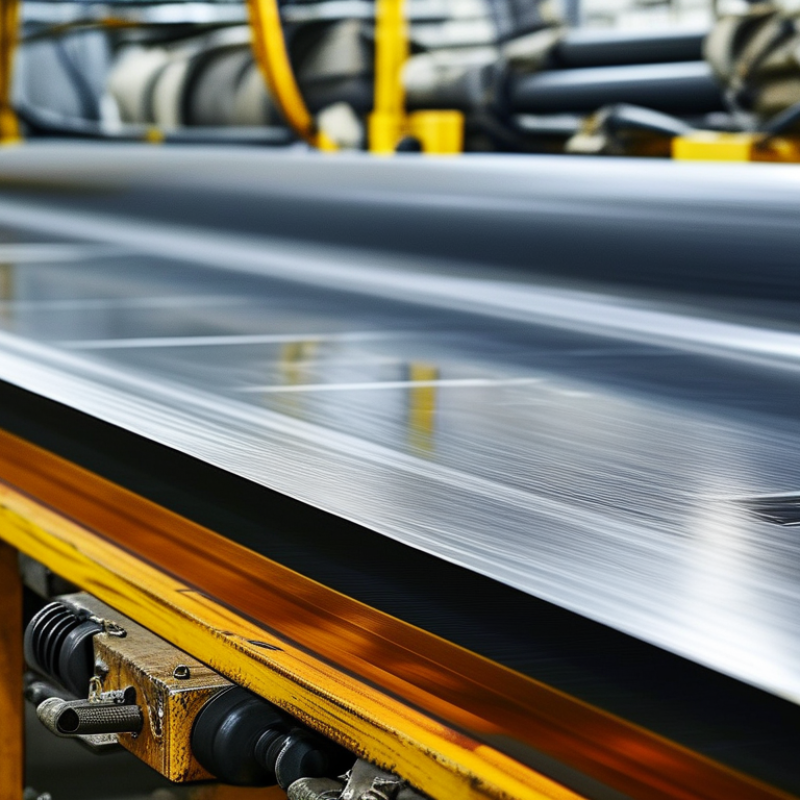
Coil cutting lines offer significant advantages for manufacturing processes. They enhance efficiency by automating the cutting of coils into desired lengths. This automation reduces human error and increases production speed. Workers can focus on other vital tasks. As a result, overall productivity improves.
Precision is another key benefit. Coil cutting lines provide consistent measurements. This ensures high-quality output with minimal waste. In industries where metal and material usage is critical, this consistency matters. However, it's essential to monitor machine settings regularly. Calibration issues can lead to inaccuracies.
Cost-effectiveness is also noteworthy. Although initial investments are high, operational costs decrease over time. Reduced material waste contributes to savings. Yet, manufacturers must evaluate their specific needs. Not every facility may require such high-speed automation. Each production environment is unique and warrants careful consideration.
The comparison between coil cutting lines and traditional cutting methods reveals significant differences in efficiency and precision. Coil cutting lines utilize advanced technology, which minimizes waste and maximizes output. The automation in these systems allows for quick adjustments, leading to smoother operations.
Traditional cutting methods, such as shearing and manual cutting, often involve more labor. These techniques can lead to varied quality and increased scraps. Operators may find themselves facing delays due to human error and mechanical breakdowns. Traditional methods lack the scalability of modern coil cutting lines, which adapt easily to different production volumes.
However, moving to a coil cutting line may require initial investment and training. Some operators may resist this shift, given their familiarity with traditional methods. Transitioning can lead to challenges, such as technical glitches or the learning curve associated with new machinery. It's essential to weigh these factors against the long-term benefits of enhanced precision and efficiency.
| Feature | Coil Cutting Line | Traditional Cutting Method |
|---|---|---|
| Production Speed | High (up to 1000 m/min) | Moderate (up to 300 m/min) |
| Material Waste | Low (max 3%) | High (up to 10%) |
| Ease of Use | Automated controls | Manual operation required |
| Space Requirement | Compact layout | Requires more space |
| Setup Time | Quick (< 15 min) | Lengthy (> 30 min) |
| Maintenance | Low maintenance | High maintenance |
Coil cutting lines are vital for enhancing production efficiency. Specific features contribute significantly to optimizing performance. One key aspect is the precision shearing mechanism. This ensures accurate cuts with minimal waste, which can increase your yield. Many operations benefit from the auto-feed system, allowing for quicker adjustments and reducing downtime between cuts.
Implementing a coil cutting line can transform workflow dynamics. Operators often report smoother transitions between different stages of production. However, it's essential to train your staff thoroughly. Familiarity with the technology can reveal hidden inefficiencies. Without proper training, potential risks might arise, affecting overall output.
Tips: Regular maintenance checks can prevent unexpected breakdowns. Staying proactive ensures that your equipment remains operational. Encourage feedback from operators. Their insights can lead to further enhancements in the cutting process. Remember, every detail matters in maximizing efficiency.
The efficiency of manufacturing processes is critical. Industry statistics show that adopting a coil cutting line can significantly reduce waste. A recent report from the International Journal of Production Research indicates that companies utilizing automated cutting lines have experienced waste reduction rates of up to 30%. This is particularly influential in industries where material costs are high. Reducing scrap not only lowers expenses but also enhances sustainability.
Additionally, productivity gains are notable with coil cutting lines. The same report mentions that organizations have reported productivity increases of around 25%. This can be attributed to faster cutting speeds and consistent material handling. The streamlined processes minimize downtime. However, it's important to note that some companies encounter challenges during implementation. Not all plants achieve the same efficiency levels. Continuous training and adjustments are crucial for optimizing performance and ensuring the technology integrates smoothly.
With proper assessment, the shift to coil cutting lines can lead to considerable improvements. Industry trends indicate that those who adapt are more likely to stay competitive. Yet, it's essential to remain vigilant about ongoing maintenance and staff training. Neglecting these areas can reverse productivity gains. The data emphasizes the importance of a strategic approach in modern manufacturing.
This chart illustrates the productivity gains and waste reduction achieved by implementing a coil cutting line in manufacturing processes. Data shows significant improvements across various industries.
When selecting a coil cutting line, several critical factors should guide your decision. Assess the material type you will work with. Different materials require different equipment capabilities. For instance, steel and aluminum have distinct cutting needs. Also, consider the thickness range of coils you plan to process. This will determine the machinery specifications and capabilities.
Tips: Ensure you evaluate the speed and efficiency of the cutting line. Production demands often fluctuate. A faster machine may boost your output, but it can also introduce quality issues. Balancing speed with precision is key.
Another consideration is the layout of your facility. The space must accommodate the coil cutting line, with enough room for material handling. A cramped environment can hinder performance and safety. Think about future expansion too. Your current needs might evolve, and having a scalable solution is beneficial.
Tips: Invest time in training staff on the new equipment. Poorly trained operators can lead to mistakes. Regular training contributes to smoother operations and fewer accidents. Keeping employees informed promotes a safer, more efficient workplace.
„Thanks to the LUVIR technology, the solder resist process could be switched directly from the previously used mask exposure to direct exposure. As an outstanding digital solution on the market, this technology has been able to demonstrate fast process times and superior quality on our certified conventional ink in production. This allowed us to fully digitize the solder mask process at low cost – without process or ink adjustments. An excellent benefit to our production in Rot am See.“
Ralf Göhringer (Head of Production WE Rot am See)
I would definitely recommend the Limata machine and team for a future company purchase
Michael Greenaway
Compunetics Inc.
“The Limata ldi has been amazing!! Best thing we did was buy this machine”
Richard Brady
GM
Circuitlabs
“Since 2019, we have been running the Limata X1000 LDI system (including LUVIR for solder mask imaging) in daily production as an addition to our current process with film. The machine was capable of properly exposing Taiyo PSR-4000 BN (DI) solder mask types on normal to high-copper boards using a new and unique direct imaging process. The machine operating interface is very user friendly which allowed for a quick technical training curve. The pre-registration processing reduced several seconds of production time at every print. Limata support and service staff is incomparable. They supported our team every step of the way at basically any time of the day or night, with literally, an immediate response time, customizing the software interface to best fit our Operations and needs.
We have exposed more than 8,000 prints since end of October, on various solder mask colors and some resist film panels. Limata, has proven to be very capable and innovative. They are a strong contender in the industry.
We have very much enjoyed this project, and working with the team!
Thank you Limata for the continued support and being a part of our growth.”
Bill Sezate
Vice President, GM
Summit Interconnect
As a replacement to our current contact exposure process with film, the LIMATA X2000 system including LUVIR-Technology was capable of properly exposing non-LDI solder mask types using a direct imaging process. The machine offers cutting edge software with a very intuitive operating interface which allowed for quick technician training curve. The dual drawer system combined with pre-registration processing reduced several seconds of production time at every machine cycle. Limata support and service staff is world class. They added software patches to keep production running at shortest possible response times, customized the software interface to best fit our in-house Operations system, and even wrote a step-by-step machine processing manual. As a result of the project, we have exposed more than 16,000 times on various product types and solder mask brands/colors. Limata, in a very short timeframe as a company, has definitely shown they are truly innovative and will be challenging the industry of direct imaging for the top spot.
Kevin Beattie
Process Engineer
TTM Technologies
Forest Grove Division
