In today's complex construction landscape, selecting reliable partners is crucial. EPC & Welding Solutions for EPC projects stands out due to its expertise and innovation. The global EPC market is projected to reach $10 billion by 2025, reflecting a growing reliance on these specialized services. Reports indicate that companies utilizing professional EPC solutions achieve up to 30% cost savings, highlighting the value they add.
As industries strive for efficiency, welding solutions integrated with EPC services are increasingly vital. Approximately 25% of project delays result from insufficient welding capabilities. This emphasizes the need for skilled professionals who can meet project demands. EPC & Welding Solutions for EPC not only ensure compliance with industry standards but also enhance project timelines. Clients must consider both expertise and technological advancements in welding when making their choices.
However, it’s essential to acknowledge that no solution is flawless. Challenges such as communication barriers and coordination issues can arise. Clients should actively engage with their partners to mitigate these risks. By fostering an environment of transparency and feedback, companies can refine their processes and improve outcomes. Selecting EPC & Welding Solutions for EPC can pave the way for successful project execution, provided both parties remain vigilant and adaptable.
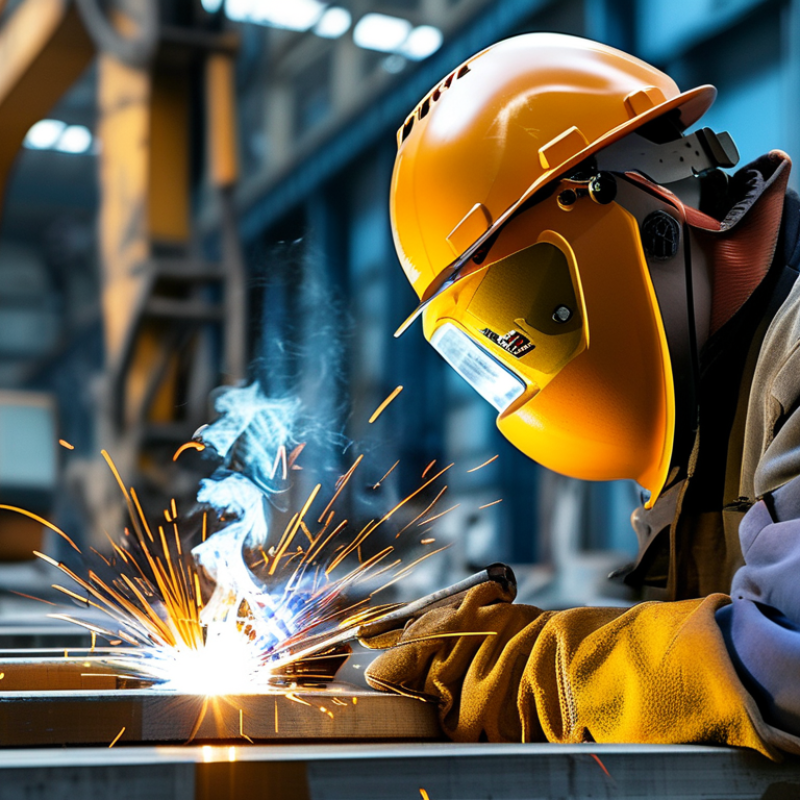
In modern engineering, understanding EPC (Engineering, Procurement, and Construction) and welding solutions is essential. These are not merely tasks; they form the backbone of complex projects. EPC services deliver a streamlined approach, integrating design and execution. This efficiency reduces delays and enhances project cohesion.
Welding solutions play a critical role in various applications. They ensure structural integrity and durability. However, selecting the right welding technique can be challenging. Each project has unique requirements. For example, the choice between MIG and TIG welding depends on material type and thickness. Experienced professionals often evaluate these factors to recommend the best methods.
Despite their significance, some projects fall short due to poor execution. Mistakes in the planning phase can lead to budget overruns. Inadequate welding quality can compromise safety. Continuous training and adherence to standards are vital. Therefore, a deep understanding of both EPC processes and welding practices is crucial. Awareness of these factors fosters better project outcomes and minimizes risks.
Choosing an EPC (Engineering, Procurement, and Construction) provider for your construction projects can yield significant benefits. A report from McKinsey highlights that using EPC management can reduce project timelines by up to 20%. This reduction in time translates to substantial cost savings. In volatile markets, project efficiency becomes crucial. EPC contractors offer streamlined processes and robust management strategies to mitigate risks.
One notable advantage of EPC is accountability. The single-point responsibility principle enhances communication and collaboration among teams. According to a study by the Construction Industry Institute, projects managed under EPC frameworks experience 15% fewer disputes. This accountability not only leads to fewer delays but also fosters a culture of teamwork and trust.
Tips: Emphasize clear communication with your EPC provider. Regular updates can prevent misunderstandings. Also, be open to iterative adjustments. Flexibility can lead to better outcomes. Always review financial reports to gauge the project's health. These simple practices can amplify the benefits you receive from an EPC partnership.
Welding solutions play a crucial role in enhancing project efficiency across various industries. According to a report by the American Welding Society, the welding sector supports over 500,000 jobs and contributes significantly to the economy. Efficient welding practices can reduce costs and increase productivity, making them vital for project success.
Integrating advanced welding techniques can lead to faster assembly times and stronger joints. A study indicated that projects utilizing automated welding processes showed a 30% increase in overall efficiency. Yet, the adoption of these technologies requires proper training for personnel to maximize output. Investing in workforce education is essential.
However, not every welding project goes smoothly. Inefficient practices can lead to costly errors and project delays. The industry still faces challenges, such as skilled labor shortages and fluctuating material costs. Regular assessments and updates to welding procedures are necessary for continuous improvement. Balancing efficiency with quality is a complex, yet rewarding endeavor in any project.
When choosing EPC and welding solutions, cost-effectiveness stands out. These services can save clients significant resources. Efficient project execution often reduces materials waste. Less wasted material translates to lower costs. Skilled professionals maximize productivity and minimize delays. This combination leads to a more attractive bottom line for clients.
One tip is to assess your project needs carefully. Determine which services you require. This clarity helps in negotiating better rates. Understanding the scope also aids in avoiding unforeseen expenses. Another critical point is to ensure quality in welding. A small error can lead to costly repairs later on.
Consider the long-term benefits of investing in quality EPC services. While initial costs may seem higher, durable solutions often save money over time. Reflect on the aspects that truly matter in your project. Focus on quality and expertise to ensure the best outcomes.
EPC (Engineering, Procurement, Construction) and welding solutions are increasingly favored in complex projects. These approaches streamline processes and enhance efficiency. Case studies reveal their effectiveness across multiple industries.
In one notable case, a large-scale construction project faced delays due to logistical challenges. Incorporating EPC solutions helped consolidate tasks, minimizing downtime. This integrated method led to on-time completion and budget adherence. Welding solutions played a crucial role in ensuring structural integrity, demonstrating adaptability to design changes during implementation.
Despite these successes, it's essential to acknowledge potential pitfalls. Communication gaps among teams can lead to misunderstandings and costly errors. Misalignment of project goals often emerges without clear documentation.
Tips: Ensure all team members are on the same page. Regular meetings can help address issues early. It's also vital to conduct thorough risk assessments to foresee possible challenges. Always maintain open lines for feedback; this fosters collaborative problem-solving. Adopting these practices enhances project outcomes.
„Thanks to the LUVIR technology, the solder resist process could be switched directly from the previously used mask exposure to direct exposure. As an outstanding digital solution on the market, this technology has been able to demonstrate fast process times and superior quality on our certified conventional ink in production. This allowed us to fully digitize the solder mask process at low cost – without process or ink adjustments. An excellent benefit to our production in Rot am See.“
Ralf Göhringer (Head of Production WE Rot am See)
I would definitely recommend the Limata machine and team for a future company purchase
Michael Greenaway
Compunetics Inc.
“The Limata ldi has been amazing!! Best thing we did was buy this machine”
Richard Brady
GM
Circuitlabs
“Since 2019, we have been running the Limata X1000 LDI system (including LUVIR for solder mask imaging) in daily production as an addition to our current process with film. The machine was capable of properly exposing Taiyo PSR-4000 BN (DI) solder mask types on normal to high-copper boards using a new and unique direct imaging process. The machine operating interface is very user friendly which allowed for a quick technical training curve. The pre-registration processing reduced several seconds of production time at every print. Limata support and service staff is incomparable. They supported our team every step of the way at basically any time of the day or night, with literally, an immediate response time, customizing the software interface to best fit our Operations and needs.
We have exposed more than 8,000 prints since end of October, on various solder mask colors and some resist film panels. Limata, has proven to be very capable and innovative. They are a strong contender in the industry.
We have very much enjoyed this project, and working with the team!
Thank you Limata for the continued support and being a part of our growth.”
Bill Sezate
Vice President, GM
Summit Interconnect
As a replacement to our current contact exposure process with film, the LIMATA X2000 system including LUVIR-Technology was capable of properly exposing non-LDI solder mask types using a direct imaging process. The machine offers cutting edge software with a very intuitive operating interface which allowed for quick technician training curve. The dual drawer system combined with pre-registration processing reduced several seconds of production time at every machine cycle. Limata support and service staff is world class. They added software patches to keep production running at shortest possible response times, customized the software interface to best fit our in-house Operations system, and even wrote a step-by-step machine processing manual. As a result of the project, we have exposed more than 16,000 times on various product types and solder mask brands/colors. Limata, in a very short timeframe as a company, has definitely shown they are truly innovative and will be challenging the industry of direct imaging for the top spot.
Kevin Beattie
Process Engineer
TTM Technologies
Forest Grove Division
