When considering the best equipment for your projects, selecting the right tools is vital. The Hand Crank Telescoping Mast stands out for its versatility and reliability. This mast type allows for easy adjustments and can reach impressive heights, making it ideal for various applications.
Many professionals favor the Hand Crank Telescoping Mast due to its user-friendly design. It is lightweight yet sturdy, ensuring durability. Users can operate it efficiently without needing complex machinery. Imagine setting up a mobile antenna or a camera. The mast can elevate your equipment safely and with precision.
However, it’s essential to reflect on the limitations as well. Operating this mast requires some manual effort, which might not suit everyone. It’s crucial to consider the specific needs of your projects. In the end, the Hand Crank Telescoping Mast combines practicality with technical expertise, making it a worthy choice for many applications.
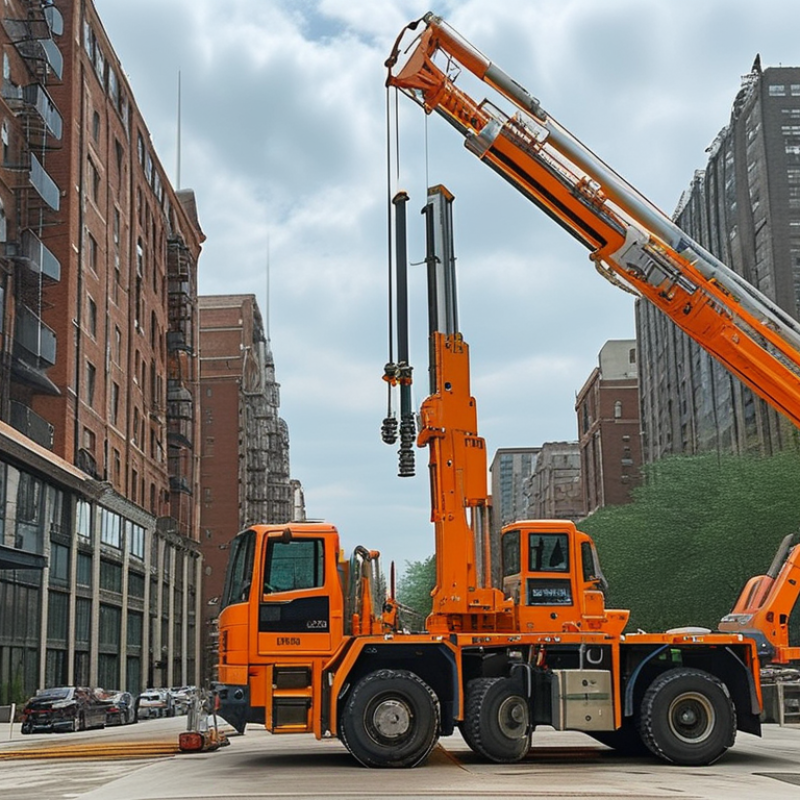
Hand crank telescoping masts offer significant benefits across various applications. These masts are lightweight yet sturdy, making them ideal for both temporary setups and long-term projects. According to the National Association of Manufacturers, the market for such equipment is growing steadily, with projections indicating an increase of 5.26% in the next five years. This trend reflects the rising demand for efficient telescoping solutions.
In utility work, hand crank masts enable quick elevation for antennas or surveillance equipment. The ease of deployment reduces setup time, allowing professionals to focus on their tasks. For instance, in outdoor events, they create a stable platform for cameras or lighting. Such versatility makes them valuable tools for various sectors, including communications and broadcasting.
However, challenges exist. Users must ensure proper maintenance to avoid potential malfunctions. Regular checks on the crank mechanism and the mast joints are essential to ensure longevity. A study by the Equipment Leasing and Finance Association highlights that over 30% of equipment failures stem from inadequate maintenance. Being aware of these issues can enhance reliability in critical applications.
Hand crank telescoping masts offer versatile solutions for various projects. Their manual operation allows users to adjust height precisely. This feature enhances control compared to motorized options.
Adjusting the mast height can be done safely and without electrical dependence, an added benefit in remote locations.
The durability of these masts stands out as a critical factor. Built from high-quality materials, they can withstand weather elements. Users can rely on them even in challenging environments. This strength ensures longevity and reduces the need for frequent replacements. However, the manual cranking might be labor-intensive for some, especially in longer setups.
Stability is another essential aspect. With a proper setup, these masts can remain sturdy even under heavy loads. A solid base ensures they won’t topple easily. Yet, without proper anchoring, there is a risk of instability. As with any equipment, caution and attention to detail are vital for optimal performance.
When considering options for project masts, hand crank telescoping masts offer distinct advantages over alternatives. Unlike fixed masts, these systems allow for easy height adjustments. This flexibility is vital in various fields, from telecommunications to weather monitoring. The manual adjustment can be done swiftly, providing users with the agility needed during dynamic projects.
Many alternative masts, such as pneumatic or motorized versions, come with complex mechanisms. These can lead to maintenance issues and increased operational costs. Hand crank systems, in contrast, rely on straightforward mechanics. Users appreciate the reliability of a hand crank, especially in remote locations where power sources are scarce. However, this simplicity also asks for physical effort, which can be a drawback for some.
Despite their advantages, hand crank telescoping masts might not suit every application. In situations requiring rapid deployment, a motorized mast could save valuable time. Users should reflect on their specific needs. Each project presents unique demands, and exploring all mast types is essential for making an informed choice. Balancing convenience with functionality should always be a priority.
When selecting a hand crank telescoping mast for your project, it’s vital to consider various factors that significantly influence its effectiveness. The height of the mast is crucial. You need a design that meets your specific reach requirements. A taller mast can elevate antennas or cameras but may require stronger materials. Assessing weight capacities is equally important. You don't want to risk equipment safety by overloading the mast.
Durability and reliability are key. Expect to use the mast in various weather conditions. Materials like aluminum or high-grade steel often offer sturdiness and can withstand environmental stresses. However, think about maintenance, too. Some materials require more upkeep than others. This is not just a one-time purchase.
Portability plays a role in your choice as well. A lightweight design is beneficial if you need to move the mast frequently. However, consider the trade-off, as lighter materials may not always provide the same level of stability. Evaluate your project goals and long-term needs. Each decision carries weight, and you might reflect on whether you prioritized aesthetics over functionality.
When it comes to maintaining a hand crank telescoping mast, regular checks are essential. Inspect your mast frequently for any signs of wear or damage. Pay close attention to cables, screws, and joints. These components endure significant stress during operation. They need to be in top condition to ensure safety and efficiency.
Lubrication is a key factor in ensuring longevity. Use a high-quality lubricant to keep moving parts functioning smoothly. It also helps to prevent corrosion. Ensure that you apply lubricant on a clean surface. Dirt or grime can create more friction, leading to unnecessary wear. Regularly clean the mast with a gentle solution; this removes debris without causing harm.
Finally, proper storage can make a difference. Keep the mast in a dry, sheltered space when not in use. If left exposed to the elements, it may deteriorate much faster than anticipated. Consider using protective covers for additional safety. Each small action contributes to the overall lifespan of your mast. Remember, an ounce of prevention is worth a pound of cure.
„Thanks to the LUVIR technology, the solder resist process could be switched directly from the previously used mask exposure to direct exposure. As an outstanding digital solution on the market, this technology has been able to demonstrate fast process times and superior quality on our certified conventional ink in production. This allowed us to fully digitize the solder mask process at low cost – without process or ink adjustments. An excellent benefit to our production in Rot am See.“
Ralf Göhringer (Head of Production WE Rot am See)
I would definitely recommend the Limata machine and team for a future company purchase
Michael Greenaway
Compunetics Inc.
“The Limata ldi has been amazing!! Best thing we did was buy this machine”
Richard Brady
GM
Circuitlabs
“Since 2019, we have been running the Limata X1000 LDI system (including LUVIR for solder mask imaging) in daily production as an addition to our current process with film. The machine was capable of properly exposing Taiyo PSR-4000 BN (DI) solder mask types on normal to high-copper boards using a new and unique direct imaging process. The machine operating interface is very user friendly which allowed for a quick technical training curve. The pre-registration processing reduced several seconds of production time at every print. Limata support and service staff is incomparable. They supported our team every step of the way at basically any time of the day or night, with literally, an immediate response time, customizing the software interface to best fit our Operations and needs.
We have exposed more than 8,000 prints since end of October, on various solder mask colors and some resist film panels. Limata, has proven to be very capable and innovative. They are a strong contender in the industry.
We have very much enjoyed this project, and working with the team!
Thank you Limata for the continued support and being a part of our growth.”
Bill Sezate
Vice President, GM
Summit Interconnect
As a replacement to our current contact exposure process with film, the LIMATA X2000 system including LUVIR-Technology was capable of properly exposing non-LDI solder mask types using a direct imaging process. The machine offers cutting edge software with a very intuitive operating interface which allowed for quick technician training curve. The dual drawer system combined with pre-registration processing reduced several seconds of production time at every machine cycle. Limata support and service staff is world class. They added software patches to keep production running at shortest possible response times, customized the software interface to best fit our in-house Operations system, and even wrote a step-by-step machine processing manual. As a result of the project, we have exposed more than 16,000 times on various product types and solder mask brands/colors. Limata, in a very short timeframe as a company, has definitely shown they are truly innovative and will be challenging the industry of direct imaging for the top spot.
Kevin Beattie
Process Engineer
TTM Technologies
Forest Grove Division
