In today's competitive landscape, choosing the right technology for your operations is critical. An Industrial PC Rack can enhance efficiency and organization. According to a recent report by MarketsandMarkets, the global industrial PC market is projected to reach $10.6 billion by 2025, growing at a CAGR of 5.2%. This indicates increasing reliance on robust computing solutions across industries.
Industrial PC Racks provide structured environments for essential hardware. They are designed to withstand harsh conditions, making them suitable for manufacturing, logistics, and other demanding settings. For instance, these racks often meet standards set by organizations like UL and IEC, ensuring reliability and safety. However, not all racks are created equal, and selecting one requires careful consideration of specific business needs.
Reflecting on data from IPC (Institute of Printed Circuits), only 43% of businesses report efficiency gains after upgrading their systems. This suggests that many industrial setups may not optimize their technological investments. Thus, understanding the key features of Industrial PC Racks can lead to better decision-making. Organizations must assess their unique challenges thoroughly to realize the full potential of these advances.
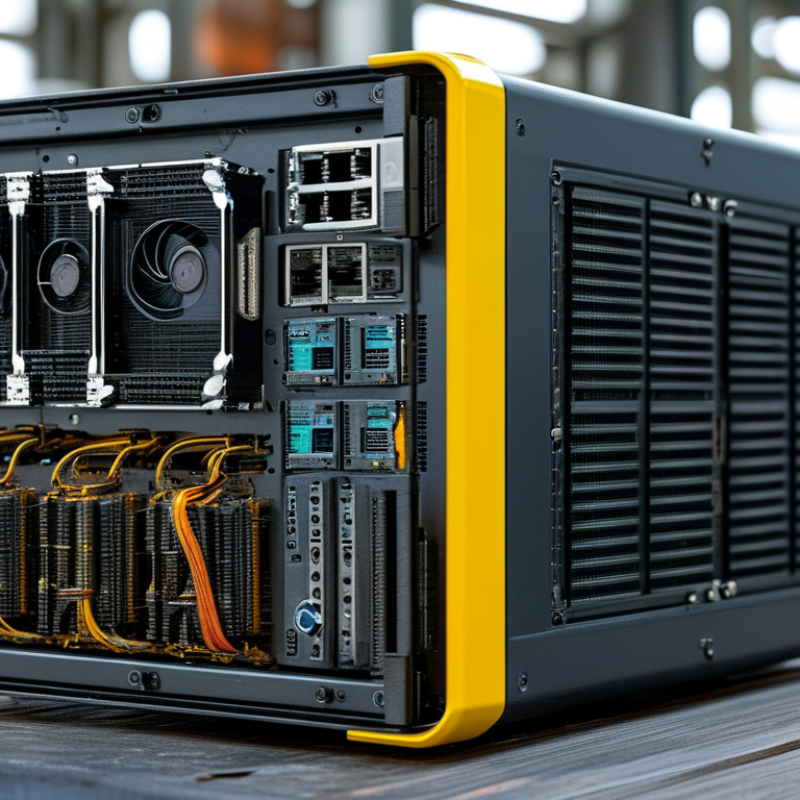
Industrial PCs (IPCs) are designed for harsh environments. They often operate in factories and warehouses, where dust, moisture, and extreme temperatures are common. According to a recent report from MarketsandMarkets, the industrial PC market is expected to grow from USD 4.2 billion in 2023 to USD 6.8 billion by 2028. This growth reflects the demand for durable and reliable computing solutions.
Rack-mounted IPCs provide a compact and organized way to house multiple units. Businesses benefit from the space-saving design while ensuring optimal airflow and cooling. It is crucial to consider the layout of equipment to enhance efficiency. In many cases, inadequate infrastructure leads to overheating, affecting performance. This issue highlights the necessity of proper planning and investment in suitable rack solutions.
Despite the many advantages, some organizations face challenges. Integrating IPCs into existing systems or dealing with outdated technology can be frustrating. It's vital to assess the current infrastructure before making a purchase. Many companies struggle to find the right balance between cost and functionality. This reflection is essential for making informed decisions in a tech-driven environment.
| Feature | Industrial PC | Industrial PC Rack |
|---|---|---|
| Durability | Designed to withstand extreme conditions | Sturdy construction to support heavy hardware |
| Cooling Capability | Enhanced cooling systems | Airflow optimization for multiple devices |
| Flexibility | Customizable configurations | Support for various hardware setups |
| Maintenance | Easy access for repairs | Modular design for simplified updates |
| Security | Robust security features | Lockable racks for added protection |
Industrial PC racks are becoming essential for businesses seeking efficient and reliable computing solutions. According to a recent report by MarketsandMarkets, the global industrial PC market is expected to reach $6.57 billion by 2025, driven by increasing automation in various sectors. This growth highlights the importance of adopting specialized equipment like industrial PC racks that can withstand harsh environments.
One key advantage of using industrial PC racks is their durability. They are designed to endure extreme temperatures, vibrations, and dust, making them suitable for factories and control rooms. For example, an organization in the automotive sector reported a 30% increase in equipment lifespan after switching to industrial-grade racks. Additionally, these racks offer optimal airflow and cooling, which is critical for maintaining performance.
Moreover, industrial PC racks can provide scalability for growing businesses. They allow for easy upgrades and integration of additional components. A study indicated that 75% of businesses found modular design beneficial for future expansion. However, while these advantages are significant, it's important to assess specific needs carefully. Miscalculating space or power requirements can lead to inefficiencies. Thoughtful planning is key to leveraging the full potential of industrial PC racks.
When selecting an industrial PC rack, several critical factors come into play. First, assess the size and layout of your workspace. Measure available space thoroughly. A well-fitted rack conserves space while maximizing functionality. Consider the equipment you will house as well. The dimensions of your PCs and additional components are vital.
Material is another significant aspect. Industrial racks can be made from various materials like steel or aluminum. Steel offers durability and stability, while aluminum is lighter and rust-resistant. The choice depends on your environment. If you are in a humid place, aluminum may be better.
**Tip:** Always check for the weight capacity of the rack. Overloading can lead to safety hazards.
Cooling is essential as well. Ensure your rack has proper ventilation. Excess heat can damage your equipment. Look for racks with open designs or built-in fans.
**Tip:** Consider racks that allow easy access to cables. This fosters better airflow and simplifies maintenance.
Lastly, think about expandability. As your business grows, your equipment needs may change. Opt for a design that allows for future upgrades or modifications. Reflection on these aspects ensures a well-informed decision.
Industrial PC racks serve a vital role in various sectors, from manufacturing to healthcare. According to a report by MarketsandMarkets, the global industrial PC sector is projected to grow significantly, reaching a value of $6.22 billion by 2026. This growth reflects the increasing need for robust computing solutions tailored for harsh environments. In factories, these racks house sensitive equipment while providing protection against dust, vibration, and extreme temperatures.
In the healthcare field, industrial PC racks are crucial for managing patient data and supporting medical devices. Hospitals require dependable systems that ensure continuous operation. A survey by Frost & Sullivan indicates that about 70% of healthcare providers report improved efficiency with industrial computing solutions. Such reliability enables staff to focus on patient care rather than tech issues.
Transportation and logistics also benefit from industrial PC racks. These units facilitate real-time tracking and data analysis in warehouses. The integration of industrial PCs improves inventory management, with studies showing a rise in accuracy levels above 90%. However, businesses must critically evaluate their specific needs to avoid over-investment in unnecessary features. Owning cutting-edge tech is beneficial, yet finding the right balance is essential to optimizing operations without overspending.
Maintaining an industrial PC rack requires attention to detail and regular upkeep. Dust and debris can accumulate quickly, especially in manufacturing environments. A well-organized workspace promotes efficiency. Schedule routine cleaning to keep components functioning properly.
Check connections frequently. Cables should be secured and tidy. Loose cables can lead to failures. Ensure that all hardware is firmly in place. A loose screw can disrupt operations and lead to costly downtime.
Temperature and airflow are crucial. Overheating can damage components. Monitor the temperature near the rack to avoid issues. Consider adding cooling fans if necessary. Regular checks can prevent unexpected shutdowns. Keeping an industrial PC rack in top condition ensures longevity and reliability.
„Thanks to the LUVIR technology, the solder resist process could be switched directly from the previously used mask exposure to direct exposure. As an outstanding digital solution on the market, this technology has been able to demonstrate fast process times and superior quality on our certified conventional ink in production. This allowed us to fully digitize the solder mask process at low cost – without process or ink adjustments. An excellent benefit to our production in Rot am See.“
Ralf Göhringer (Head of Production WE Rot am See)
I would definitely recommend the Limata machine and team for a future company purchase
Michael Greenaway
Compunetics Inc.
“The Limata ldi has been amazing!! Best thing we did was buy this machine”
Richard Brady
GM
Circuitlabs
“Since 2019, we have been running the Limata X1000 LDI system (including LUVIR for solder mask imaging) in daily production as an addition to our current process with film. The machine was capable of properly exposing Taiyo PSR-4000 BN (DI) solder mask types on normal to high-copper boards using a new and unique direct imaging process. The machine operating interface is very user friendly which allowed for a quick technical training curve. The pre-registration processing reduced several seconds of production time at every print. Limata support and service staff is incomparable. They supported our team every step of the way at basically any time of the day or night, with literally, an immediate response time, customizing the software interface to best fit our Operations and needs.
We have exposed more than 8,000 prints since end of October, on various solder mask colors and some resist film panels. Limata, has proven to be very capable and innovative. They are a strong contender in the industry.
We have very much enjoyed this project, and working with the team!
Thank you Limata for the continued support and being a part of our growth.”
Bill Sezate
Vice President, GM
Summit Interconnect
As a replacement to our current contact exposure process with film, the LIMATA X2000 system including LUVIR-Technology was capable of properly exposing non-LDI solder mask types using a direct imaging process. The machine offers cutting edge software with a very intuitive operating interface which allowed for quick technician training curve. The dual drawer system combined with pre-registration processing reduced several seconds of production time at every machine cycle. Limata support and service staff is world class. They added software patches to keep production running at shortest possible response times, customized the software interface to best fit our in-house Operations system, and even wrote a step-by-step machine processing manual. As a result of the project, we have exposed more than 16,000 times on various product types and solder mask brands/colors. Limata, in a very short timeframe as a company, has definitely shown they are truly innovative and will be challenging the industry of direct imaging for the top spot.
Kevin Beattie
Process Engineer
TTM Technologies
Forest Grove Division
