Choosing the right Packaging Automation Equipment can significantly impact your production efficiency and product integrity. John Smith, a renowned expert in the packaging industry, states, "The right equipment is not just a cost; it’s an investment in your future." His insight emphasizes the importance of selecting suitable machinery tailored to your needs.
In a rapidly evolving market, businesses must evaluate various options carefully. Factors such as product type, speed requirements, and budget play critical roles. Many companies often overlook the importance of testing equipment before making a decision. A hands-on approach can reveal unforeseen challenges.
Investing in Packaging Automation Equipment requires thorough research and consideration. Not every piece of equipment will work seamlessly in every environment. Taking time to assess your unique requirements is vital. Reflecting on past decisions can improve future choices in packaging solutions, ensuring alignment with your operational goals.
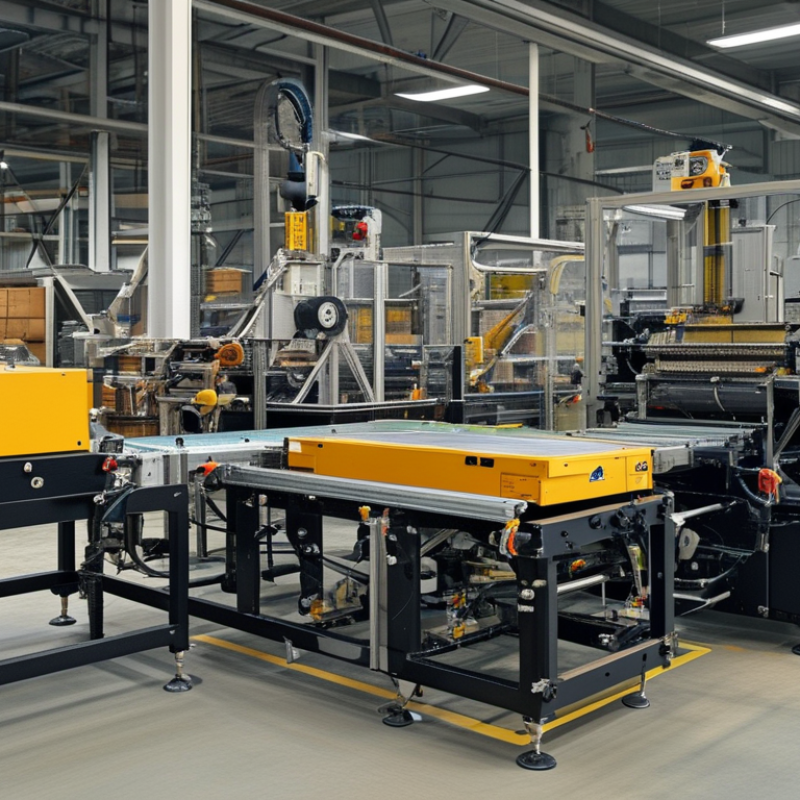
Understanding your packaging needs and objectives is critical when choosing automation equipment. The rising demand for packaging solutions means businesses must pinpoint their specific requirements. According to a report by Smithers Pira, the global market for packaging automation is set to grow by 14% annually, reaching $64 billion by 2026. This growth highlights the necessity for companies to align their production capabilities with market expectations.
Analyze your current processes to identify inefficiencies. Consider factors such as production speed, labor costs, and product variability. In a survey conducted by PMMI, 43% of manufacturers reported that labor shortages influenced their decision to invest in automation. These insights underscore the importance of evaluating your operational challenges. Companies need to invest time in understanding how automation can streamline their unique processes.
It's also essential to reflect on future scalability. As businesses evolve, so do their packaging requirements. A Business Wire report states that 75% of companies anticipate significant changes in their packaging needs within the next five years. This means that a short-sighted equipment choice can lead to costly upgrades later. Planning for long-term goals will ensure that your packaging automation choices align with future growth and market dynamics, enhancing your overall productivity and efficiency.
When evaluating different types of packaging automation equipment, consider various factors. The right equipment can significantly enhance efficiency. Key areas include the type of products, packaging materials, and production volume. Identifying your specific needs is crucial.
Different equipment types serve various functions. For instance, there are case packers, cartoners, and palletizers. Each has unique features suitable for specific tasks. Analyze the flexibility and scalability of the equipment. Can it adapt to changes in production volume? This adaptability can save costs in the long run.
Do not overlook the importance of maintenance and support. Some machines require more upkeep than others. Assess the availability of parts and service. A reliable support system adds value over time. While investing in automation, be mindful of the initial costs versus long-term benefits. Reflect on whether the chosen equipment will meet future demands as well.
When considering packaging automation equipment, budget constraints are crucial. Every business has financial limits. Understanding these limits helps narrow equipment options. A thorough cost-benefit analysis is vital. It reveals the initial investment and ongoing expenses.
Assessing your budget involves looking beyond the purchase price. Installation, maintenance, and operational costs matter too. Consider potential savings from increased efficiency. Automation may reduce labor costs and errors. However, the payback period could be longer than expected. It’s essential to analyze how these factors align with your production goals.
Sometimes, the most advanced equipment isn’t the best fit. Basic models may offer better returns. Finding balance is key. Invest in quality while staying within budget. Reflecting on past purchases can guide future decisions. Learning from missteps will enhance future investments in automation.
Choosing the right packaging automation equipment requires careful consideration of space and facility requirements. The installation space can significantly impact both the layout and efficiency of operations. According to industry reports, nearly 30% of packaging delays are due to inadequate space for machinery. Proper planning can minimize these lags and enhance productivity.
Evaluating your facility's layout is essential. Consider the flow of goods, employee accessibility, and machine types needed. Research shows that optimizing space can lead to a 25% increase in throughput. In many instances, companies underestimate the size of equipment. Machines must fit comfortably while allowing room for maintenance and safety protocols. A crowded workspace can lead to accidents and inefficiencies.
Furthermore, it’s vital to think about future growth. Facilities might need to accommodate larger machines or additional lines. Flexibility in design helps to adapt to evolving demands. A stagnant space can hinder scalability and increase operational costs. Creating an adaptable layout can support future expansions without significant downtime during alterations.
| Equipment Type | Footprint (sq ft) | Height (ft) | Weight (lbs) | Power Requirement (kW) | Installation Area (sq ft) |
|---|---|---|---|---|---|
| Automatic Strapping Machine | 50 | 5 | 400 | 2 | 60 |
| Carton Sealing Machine | 70 | 4 | 500 | 1.5 | 80 |
| Labeling Machine | 30 | 4 | 300 | 1 | 40 |
| Vertical Form Fill Seal Machine | 40 | 6 | 450 | 3 | 50 |
| Stretch Wrapping Machine | 80 | 5 | 600 | 2.5 | 100 |
When selecting packaging automation equipment, vendor reputation is crucial. Researching a vendor’s history and experience can provide insights into their reliability. Look for feedback from current or past clients. Reviews can reveal both strengths and weaknesses.
Tips: Engage in conversations with other businesses that use similar equipment. Their first-hand experience is invaluable. Consider the level of support offered by the vendor. It's essential that they provide comprehensive training and maintenance services. A well-supported system reduces downtime and increases productivity.
Contact the vendor directly. Ask specific questions about their customer service protocols. Sometimes, vendors promise excellent support but fail to deliver. Transparency is key. Uncover any hidden fees in their service agreements. This can save you from unexpected costs later on. A vendor’s willingness to discuss these details reflects their integrity and commitment to customer satisfaction.
„Thanks to the LUVIR technology, the solder resist process could be switched directly from the previously used mask exposure to direct exposure. As an outstanding digital solution on the market, this technology has been able to demonstrate fast process times and superior quality on our certified conventional ink in production. This allowed us to fully digitize the solder mask process at low cost – without process or ink adjustments. An excellent benefit to our production in Rot am See.“
Ralf Göhringer (Head of Production WE Rot am See)
I would definitely recommend the Limata machine and team for a future company purchase
Michael Greenaway
Compunetics Inc.
“The Limata ldi has been amazing!! Best thing we did was buy this machine”
Richard Brady
GM
Circuitlabs
“Since 2019, we have been running the Limata X1000 LDI system (including LUVIR for solder mask imaging) in daily production as an addition to our current process with film. The machine was capable of properly exposing Taiyo PSR-4000 BN (DI) solder mask types on normal to high-copper boards using a new and unique direct imaging process. The machine operating interface is very user friendly which allowed for a quick technical training curve. The pre-registration processing reduced several seconds of production time at every print. Limata support and service staff is incomparable. They supported our team every step of the way at basically any time of the day or night, with literally, an immediate response time, customizing the software interface to best fit our Operations and needs.
We have exposed more than 8,000 prints since end of October, on various solder mask colors and some resist film panels. Limata, has proven to be very capable and innovative. They are a strong contender in the industry.
We have very much enjoyed this project, and working with the team!
Thank you Limata for the continued support and being a part of our growth.”
Bill Sezate
Vice President, GM
Summit Interconnect
As a replacement to our current contact exposure process with film, the LIMATA X2000 system including LUVIR-Technology was capable of properly exposing non-LDI solder mask types using a direct imaging process. The machine offers cutting edge software with a very intuitive operating interface which allowed for quick technician training curve. The dual drawer system combined with pre-registration processing reduced several seconds of production time at every machine cycle. Limata support and service staff is world class. They added software patches to keep production running at shortest possible response times, customized the software interface to best fit our in-house Operations system, and even wrote a step-by-step machine processing manual. As a result of the project, we have exposed more than 16,000 times on various product types and solder mask brands/colors. Limata, in a very short timeframe as a company, has definitely shown they are truly innovative and will be challenging the industry of direct imaging for the top spot.
Kevin Beattie
Process Engineer
TTM Technologies
Forest Grove Division
