When selecting PTFE Expansion Joints, it’s crucial to consider various factors that impact performance. According to a 2022 industry report, approximately 75% of failures in pipe systems are attributed to improper joint selection. PTFE expansion joints are recognized for their high resistance to chemicals and temperature fluctuations. They play a pivotal role in maintaining system integrity.
Understanding your specific application is essential. For instance, environments with extreme temperature changes can significantly affect joint longevity. PTFE expansion joints typically endure temperatures ranging from -100°F to 500°F. However, over time, even the best materials may show signs of wear. Regular inspections and performance checks are vital to identify potential issues early.
While the right choice can enhance system efficiency, the decision-making process can be complex. Deliberate on the size, configuration, and chemical compatibility of PTFE expansion joints. These factors can dictate not only performance but also safety. Balancing quality and cost remains a challenge in the selection process. Reflection on past experiences can guide decision-making and lead to improved outcomes.
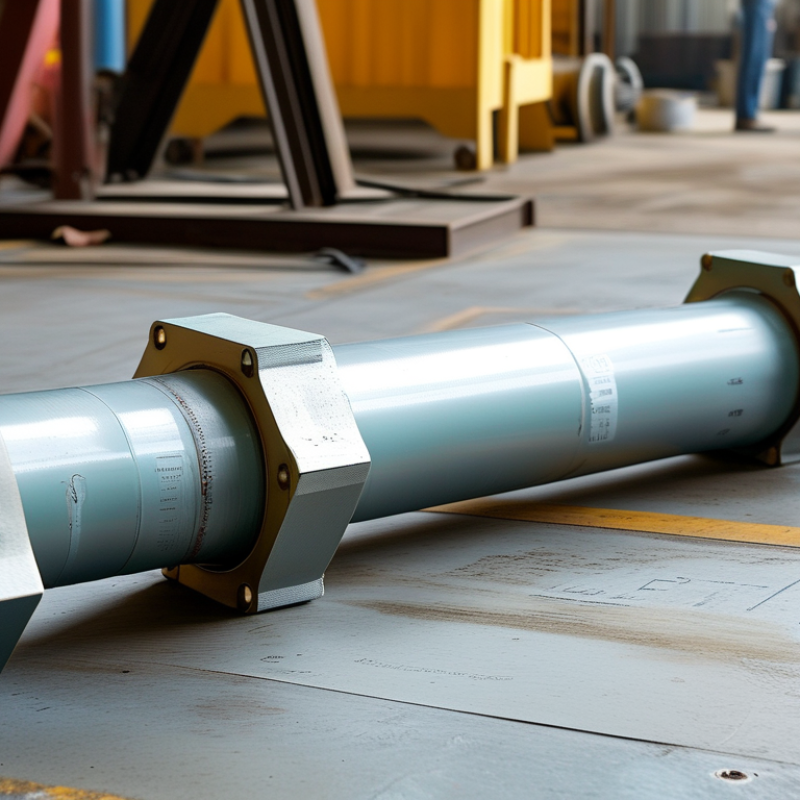
PTFE expansion joints are vital in industrial applications. These joints play a crucial role in absorbing thermal expansion, vibration, and misalignment in piping systems. The unique properties of PTFE make it ideal for high-temperature and corrosive environments. Research indicates that the global market for PTFE products is projected to grow significantly, driven by increasing demand in industries like chemical processing and aerospace.
The key features of PTFE expansion joints include their flexibility and durability. They can handle extreme temperatures ranging from -100°F to 500°F. Their resistance to chemicals ensures longevity, minimizing maintenance needs. According to a recent industry report, over 70% of companies reported reduced downtime after switching to PTFE joints. This statistic underscores the importance of reliable materials in robust industrial systems.
Despite their advantages, choosing the right PTFE expansion joints can be challenging. Miscalculating the required pressure ratings or temperature ranges can lead to failures. Additionally, installation requires skilled technicians to ensure proper placement. Many companies face difficulties in aligning their needs with available products. This gap in understanding emphasizes the need for thorough research and consultation with experts before making decisions.
When selecting PTFE expansion joints, understanding application requirements is crucial. Industry data reveals that improper selection can lead to premature failures. For example, a study by the Fluid Sealing Association found that nearly 30% of joint failures arise from unsuitable material choices or incorrect sizing.
Consider the operating environment. The presence of chemicals impacts the longevity of PTFE materials. PTFE is known for its chemical resistance, but not all grades perform identically. Some contexts, like high temperatures over 260°C, may require more specialized options. It's vital to evaluate pressure ratings as well. Joints typically cater to specific pressure ranges. Using a joint rated lower than needed invites risk.
Also, installation practices can greatly affect performance. Improper alignment or inadequate support can compromise these components. Consistently, feedback from engineers highlights that many overlook these factors. Thus, a thorough review of both materials and installation guidelines is necessary. Doing so not only extends the life of PTFE joints but also ensures operational efficiency and safety.
When selecting PTFE expansion joints, size and pressure ratings are critical. The correct size ensures a perfect fit within the existing piping system. Measure both the diameter and length precisely; inaccuracies can lead to leaks or system failures. If too small, the joint won't absorb movement effectively. If too large, it may introduce instability.
Pressure ratings also play a crucial role in optimal performance. Understand the maximum pressure your system operates under. Choose a joint that exceeds this requirement. A higher pressure rating often translates to greater durability. However, an excessively high rating can be redundant and unnecessarily inflate costs.
Evaluating these factors requires careful consideration. Each application is unique, and assumptions can lead to costly mistakes. Consult with experts in the field to confirm specifications. Their insights can provide clarity in complex situations. Remember, a mistake today could result in unforeseen problems in the future.
When selecting PTFE expansion joints, fabrication methods play a crucial role in ensuring performance and durability. Different methods impact how the joints withstand pressure, temperature, and chemical exposure. Common methods include molding, extrusion, and laminating. Each approach offers distinct benefits and limitations. For instance, molding can create complex shapes but might require longer lead times.
Mechanical properties are also influenced by fabrication. Molding can lead to varying densities in joints, affecting flexibility. On the other hand, extruded joints can maintain a consistent structure, promoting reliable performance. However, achieving optimal thickness can sometimes be challenging. You may encounter issues with seams or weak points in the material.
Trade-offs often arise when choosing methods. For instance, while laminated joints may offer strength, they can be less flexible. Consider the operational environment carefully. Will the joints face extreme temperatures or aggressive chemicals? Matching the right fabrication method to your specific application needs is essential. Always be ready to reassess if the chosen method meets your operational criteria over time.
When selecting PTFE expansion joints, material compatibility and environmental resistance are crucial. Different applications expose joints to various chemicals and temperatures. According to industry reports, PTFE can resist a wide range of corrosive substances, making it suitable for many applications.
Many environments include acids, bases, and solvents. A failure in material selection can lead to costly repairs and downtime. Consider the specific chemicals your expansion joints will face. For example, some formulations of PTFE offer increased durability against aggressive environments, while others may not. Environmental resistance, particularly temperature extremes, can affect expansion joints' performance over time.
Tips: Conduct thorough compatibility testing before installation. Seek expert advice to understand the specific application needs. It's essential to consult technical data sheets that provide insights into temperature limits and chemical resistance of PTFE.
Remember, not all PTFE expansion joints are created equal. Carefully analyzing your application requirements will lead to better performance. Look for historical data on joint failures within your industry to learn from past mistakes. This approach can ensure a reliable and efficient operation.
„Thanks to the LUVIR technology, the solder resist process could be switched directly from the previously used mask exposure to direct exposure. As an outstanding digital solution on the market, this technology has been able to demonstrate fast process times and superior quality on our certified conventional ink in production. This allowed us to fully digitize the solder mask process at low cost – without process or ink adjustments. An excellent benefit to our production in Rot am See.“
Ralf Göhringer (Head of Production WE Rot am See)
I would definitely recommend the Limata machine and team for a future company purchase
Michael Greenaway
Compunetics Inc.
“The Limata ldi has been amazing!! Best thing we did was buy this machine”
Richard Brady
GM
Circuitlabs
“Since 2019, we have been running the Limata X1000 LDI system (including LUVIR for solder mask imaging) in daily production as an addition to our current process with film. The machine was capable of properly exposing Taiyo PSR-4000 BN (DI) solder mask types on normal to high-copper boards using a new and unique direct imaging process. The machine operating interface is very user friendly which allowed for a quick technical training curve. The pre-registration processing reduced several seconds of production time at every print. Limata support and service staff is incomparable. They supported our team every step of the way at basically any time of the day or night, with literally, an immediate response time, customizing the software interface to best fit our Operations and needs.
We have exposed more than 8,000 prints since end of October, on various solder mask colors and some resist film panels. Limata, has proven to be very capable and innovative. They are a strong contender in the industry.
We have very much enjoyed this project, and working with the team!
Thank you Limata for the continued support and being a part of our growth.”
Bill Sezate
Vice President, GM
Summit Interconnect
As a replacement to our current contact exposure process with film, the LIMATA X2000 system including LUVIR-Technology was capable of properly exposing non-LDI solder mask types using a direct imaging process. The machine offers cutting edge software with a very intuitive operating interface which allowed for quick technician training curve. The dual drawer system combined with pre-registration processing reduced several seconds of production time at every machine cycle. Limata support and service staff is world class. They added software patches to keep production running at shortest possible response times, customized the software interface to best fit our in-house Operations system, and even wrote a step-by-step machine processing manual. As a result of the project, we have exposed more than 16,000 times on various product types and solder mask brands/colors. Limata, in a very short timeframe as a company, has definitely shown they are truly innovative and will be challenging the industry of direct imaging for the top spot.
Kevin Beattie
Process Engineer
TTM Technologies
Forest Grove Division
