As the world shifts towards cleaner energy alternatives, the demand for innovative solutions is rising. A recent report by the International Energy Agency indicates that global energy storage capacity is expected to surpass 500 gigawatt-hours by 2025. Within this context, stackable batteries emerge as a versatile option, catering to both residential and commercial needs.
Stackable batteries provide flexibility in design and expansion. They allow users to increase capacity as energy demands grow. This adaptability is crucial in today’s ever-changing energy landscape. A 2022 market analysis highlighted that Stackable Battery systems can reduce installation costs by up to 30%, making them a compelling choice for energy consumers.
However, potential users must consider their specific requirements. While stackable batteries are efficient, their performance can vary based on usage patterns and environmental factors. Understanding these nuances is essential for maximizing investment returns. Such informed decisions can lead to more reliable energy management in the long term.
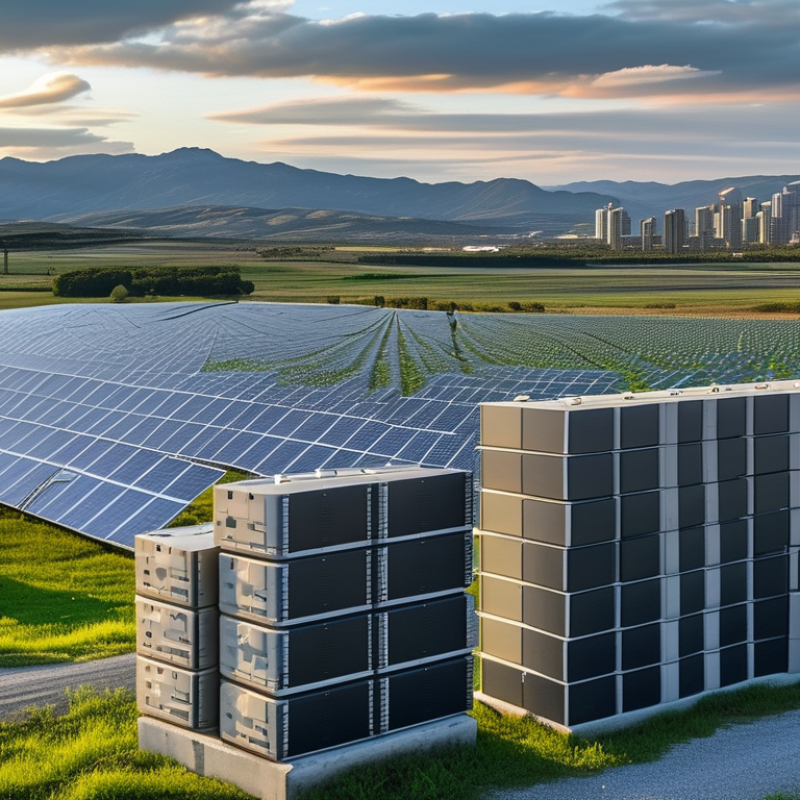
Stackable batteries are becoming a popular choice for energy storage solutions. They offer flexibility that traditional battery systems often lack. With stackable batteries, users can easily customize their energy storage capacity. This feature is especially beneficial for households and businesses with varying energy needs.
The modular nature of stackable batteries allows for efficient scaling. If energy demands increase, more units can be added to the system. This adaptability means users can start small and expand their storage as needed. It also enables efficient use of space. Units can be stacked in a compact area, maximizing the available room.
However, potential buyers should consider the long-term costs. While stackable batteries can be more affordable initially, maintenance over time may add up. Additionally, compatibility with existing systems should be assessed. A thorough evaluation is important to avoid future complications. These are details that often require careful thought as they impact overall efficiency and performance.
Stackable batteries offer remarkable versatility across various applications. Their modular nature allows users to configure battery systems according to specific needs. You can easily add or remove batteries based on storage requirements. This flexibility is beneficial for both residential and commercial setups. Many people find this adaptability essential, especially as energy demands fluctuate.
In residential settings, stackable batteries can enhance energy independence. Homeowners can store solar energy during peak production hours. During power outages, these batteries provide backup energy, ensuring essential appliances continue to function. Some users might struggle with initial installation, requiring a learning curve. However, with the right guidance, the benefits quickly become clear.
In commercial applications, stackable batteries can optimize operations. Businesses often need to balance energy use with costs. Stackable systems allow them to customize energy solutions. Adaptations might be necessary as operations evolve. Some companies may face challenges in managing multiple units. Nevertheless, the long-term advantages often outweigh these difficulties, making stackable batteries a compelling choice for diverse energy needs.
Stackable batteries are gaining popularity due to their versatility in various applications. This chart illustrates the preferred applications of stackable batteries across different sectors.
Stackable batteries offer an intriguing alternative to traditional energy storage solutions. They are designed to optimize space and usage in various environments. These batteries are often modular, allowing users to customize their energy capacity according to specific needs. The flexibility of stackable batteries permits easy expansion, making them suitable for residential, commercial, and industrial applications.
Financially, stackable batteries present a compelling case. A report from the International Energy Agency indicates that battery costs have dropped by approximately 89% since 2010. For those considering energy storage, this trend signals that investing in stackable batteries may yield significant savings. Traditional options often require larger, fixed installations, leading to higher upfront costs. Conversely, stackable systems can be incrementally purchased, allowing users to align expenditures with their increasing energy needs.
Critically, while stackable batteries offer cost savings, some potential drawbacks may exist. The initial installation might seem more complex than conventional systems. Additionally, long-term performance and longevity depend on proper management. Users must weigh these factors carefully. Therefore, while stackable batteries may provide an economically viable pathway, critical reflection on their operational requirements is essential.
| Dimension | Stackable Batteries | Traditional Batteries |
|---|---|---|
| Initial Cost | $800 | $1200 |
| Lifespan | 10 years | 5 years |
| Energy Capacity | 10 kWh | 8 kWh |
| Weight | 100 lbs | 120 lbs |
| Scalability | Yes | No |
| Charging Time | 4 hours | 6 hours |
The environmental impact of stackable batteries is significant. These systems offer a flexible and efficient way to store energy. Unlike traditional batteries, stackable batteries allow users to expand storage capabilities as needed. This adaptability reduces waste by minimizing the need for additional resources.
Stackable batteries can be manufactured using recycled materials. Many components can be reused, which decreases the overall environmental footprint. However, the production process still requires energy and raw materials. Exploring sustainable sourcing practices is essential for improvement.
Renewable energy sources, like solar and wind, benefit greatly from stackable batteries. They help smooth out energy supply and demand. Yet, understanding the life cycle of these batteries is crucial. Improper disposal can lead to environmental degradation. Increased awareness and responsible recycling efforts are vital for overarching sustainability goals.
The landscape of stackable battery technology is evolving swiftly. Innovations are driving efficiency and versatility in how we harness energy. Reports from the International Energy Agency suggest that the adoption of advanced battery systems could reduce costs by up to 25% by 2030. New designs allow batteries to be stacked, optimizing space and performance in energy storage solutions.
Recent studies show that improved materials, such as solid-state electrolytes, enhance energy density and lifespan. These advancements could lead to batteries that last twice as long as their current counterparts. Such breakthroughs are crucial for renewable energy integration, helping to balance supply and demand effectively.
However, challenges remain. Manufacturing complexities can increase initial costs. Additionally, the recycling of these stackable systems presents a significant hurdle. As the industry converges on sustainable practices, future innovations will need to address these concerns. Balancing efficiency with environmental impact is a delicate task for researchers and manufacturers alike.
„Thanks to the LUVIR technology, the solder resist process could be switched directly from the previously used mask exposure to direct exposure. As an outstanding digital solution on the market, this technology has been able to demonstrate fast process times and superior quality on our certified conventional ink in production. This allowed us to fully digitize the solder mask process at low cost – without process or ink adjustments. An excellent benefit to our production in Rot am See.“
Ralf Göhringer (Head of Production WE Rot am See)
I would definitely recommend the Limata machine and team for a future company purchase
Michael Greenaway
Compunetics Inc.
“The Limata ldi has been amazing!! Best thing we did was buy this machine”
Richard Brady
GM
Circuitlabs
“Since 2019, we have been running the Limata X1000 LDI system (including LUVIR for solder mask imaging) in daily production as an addition to our current process with film. The machine was capable of properly exposing Taiyo PSR-4000 BN (DI) solder mask types on normal to high-copper boards using a new and unique direct imaging process. The machine operating interface is very user friendly which allowed for a quick technical training curve. The pre-registration processing reduced several seconds of production time at every print. Limata support and service staff is incomparable. They supported our team every step of the way at basically any time of the day or night, with literally, an immediate response time, customizing the software interface to best fit our Operations and needs.
We have exposed more than 8,000 prints since end of October, on various solder mask colors and some resist film panels. Limata, has proven to be very capable and innovative. They are a strong contender in the industry.
We have very much enjoyed this project, and working with the team!
Thank you Limata for the continued support and being a part of our growth.”
Bill Sezate
Vice President, GM
Summit Interconnect
As a replacement to our current contact exposure process with film, the LIMATA X2000 system including LUVIR-Technology was capable of properly exposing non-LDI solder mask types using a direct imaging process. The machine offers cutting edge software with a very intuitive operating interface which allowed for quick technician training curve. The dual drawer system combined with pre-registration processing reduced several seconds of production time at every machine cycle. Limata support and service staff is world class. They added software patches to keep production running at shortest possible response times, customized the software interface to best fit our in-house Operations system, and even wrote a step-by-step machine processing manual. As a result of the project, we have exposed more than 16,000 times on various product types and solder mask brands/colors. Limata, in a very short timeframe as a company, has definitely shown they are truly innovative and will be challenging the industry of direct imaging for the top spot.
Kevin Beattie
Process Engineer
TTM Technologies
Forest Grove Division
