In today’s ever-changing climate, monitoring environmental conditions is crucial. A Temperature Relative Humidity Sensor is an effective tool for achieving this goal. These sensors measure both temperature and humidity, providing invaluable data for many applications.
Businesses, farms, and research institutions rely on these sensors. They enable informed decisions to be made quickly. For example, in agriculture, understanding humidity levels can prevent crop damage. In warehouses, temperature regulation ensures product quality. Choosing the right sensor is essential to meeting specific needs.
Yet, many overlook the sensor's importance. Some may think any device will suffice. This can lead to inaccurate data and costly mistakes. Investing in a high-quality Temperature Relative Humidity Sensor enhances reliability. It ensures that users receive accurate and timely information for optimal conditions.
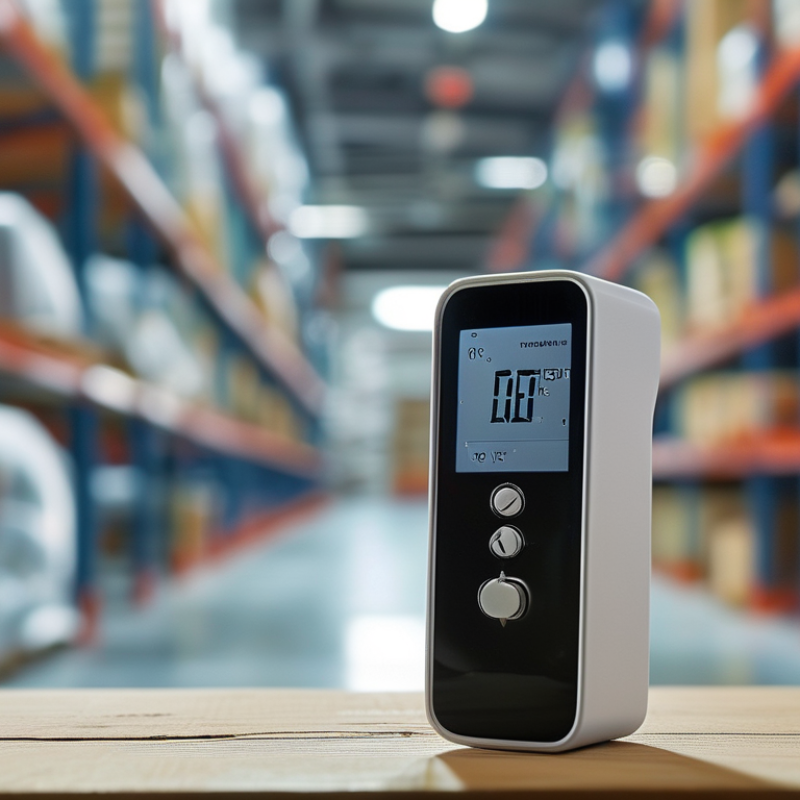
Temperature and relative humidity sensors are essential tools in various fields. These sensors provide accurate measurements vital for maintaining optimal conditions in homes, offices, and industrial environments. An accurate reading of temperature ensures comfort and safety for indoor settings. Meanwhile, monitoring relative humidity levels can prevent mold growth and protect sensitive equipment.
Understanding these sensors involves grasping their functionalities. Temperature sensors measure heat levels, while relative humidity sensors gauge moisture in the air. Often, these sensors work together, providing a holistic view of environmental conditions. This dual measurement is crucial in agriculture, where crops depend on precise climate control. Data from these sensors can help optimize irrigation and prevent crop damage.
While these technologies are valuable, they are not without limitations. Calibration is crucial to ensure accuracy. Sensors can drift over time, leading to unreliable readings. Consequently, regular maintenance is important to uphold performance standards. Reflecting on these factors can help users recognize the significance of continuous monitoring and recalibration in effectively using temperature and relative humidity sensors.
Temperature and relative humidity sensors play a crucial role in various industries. These sensors help maintain optimal conditions in environments like warehouses, greenhouses, and laboratories. According to a report by MarketsandMarkets, the global market for these sensors is projected to reach $9.52 billion by 2025. This growth indicates a rising demand for reliable environmental monitoring.
Key features of these sensors include high accuracy and fast response times. Many models can measure temperature ranges from -40°C to 125°C with an accuracy of ±0.5°C. This precision is essential in manufacturing and food storage where temperature fluctuations can affect product quality. Additionally, humidity sensors can detect moisture levels with accuracy up to ±2% RH, critical in preventing mold growth in sensitive environments.
The integration of digital communication capabilities has also transformed these sensors. Users can access real-time data remotely, allowing for proactive management of environmental conditions. Yet, some sensors may lag in updates, leading to delayed responses. This potential for error underscores the importance of choosing reliable technology. As industries increasingly rely on these devices, understanding their key features becomes vital.
Temperature relative humidity sensors play a crucial role across various industries. In healthcare, these sensors ensure optimal conditions for pharmaceuticals. A study by the World Health Organization found that improper humidity levels can reduce drug effectiveness by up to 25%. This underscores the importance of precise measurements in pharmaceutical storage facilities.
In agriculture, these sensors help monitor the environment for crops. The National Institute of Food and Agriculture suggests that proper humidity levels can increase crop yields by more than 15%. Growers can use this data to adjust irrigation and ventilation. This proactive approach enhances sustainability in farming practices.
Tip: Regularly calibrate your sensors to maintain accuracy. Even minor discrepancies can lead to significant decisions.
In data centers, temperature and humidity control protect sensitive equipment. The American Society of Heating, Refrigerating, and Air-Conditioning Engineers states that optimal humidity levels can extend the life of servers. Poor management can lead to overheating and system failures.
Tip: Consider backup sensors for critical environments. This redundancy can prevent data loss and downtime in crucial operations.
Temperature relative humidity sensors offer numerous advantages for various applications. These sensors provide accurate readings essential for industries such as HVAC, agriculture, and pharmaceuticals. According to the National Institute of Standards and Technology (NIST), maintaining optimal humidity levels can enhance product quality and extend shelf life. For example, in food storage, keeping humidity between 30-50% significantly reduces spoilage rates.
One notable benefit of these sensors is their role in energy efficiency. A study by the U.S. Department of Energy suggests that proper humidity control can lead to energy savings of up to 30% in HVAC systems. This is crucial for businesses aiming to reduce operational costs. Another advantage is improved comfort in indoor environments. Comfortable humidity levels can boost productivity and overall well-being.
Tips: Regularly calibrate sensors to ensure accuracy. Choose sensors with wide measurement ranges for versatility. Monitor humidity fluctuations over time to identify patterns and adjust environmental controls accordingly. It's important to reflect on different environments requiring unique humidity levels. Customizing sensor placement increases effectiveness, especially in large spaces. Awareness of these subtle details can lead to better outcomes.
When selecting a temperature and humidity sensor, several factors come into play. Firstly, accuracy is crucial. A sensor's ability to provide precise readings can significantly influence your decisions. Look for devices that offer a high degree of reliability. Not all sensors are built the same. Some might promise great performance but fall short under specific conditions. Test their accuracy in your environment before a final commitment.
Another key consideration is the response time. How quickly does the sensor react to changes in temperature or humidity? A sensor with a slow response can lead to delayed reactions. This is especially important in sensitive environments, such as labs or storage facilities. Additionally, consider the sensor's durability. Environments vary vastly, from humid to dry, and a robust sensor can withstand these extremes. However, it’s vital to remember that durability doesn't always equate to performance.
Cost is also a factor. A higher price point can mean better features, but not always. Some affordable options offer adequate performance for basic needs. Reflect on your specific requirements before making a financial commitment. Choosing the right temperature humidity sensor involves weighing performance against your environmental conditions and budget.
| Feature | Description | Importance | Recommended Option |
|---|---|---|---|
| Temperature Range | The operational temperature limits of the sensor | High | -40°C to 85°C |
| Humidity Range | The operational relative humidity limits of the sensor | High | 0% to 100% RH |
| Accuracy | The degree of closeness of measurements to the actual value | Critical | ±0.5°C, ±2% RH |
| Response Time | Time taken for the sensor to respond to changes | Medium | < 10 seconds |
| Power Supply | Type of power source required for operation | High | DC 3-5V |
| Communication Protocol | Method of data transmission from sensor to device | Medium | I2C, UART |
„Thanks to the LUVIR technology, the solder resist process could be switched directly from the previously used mask exposure to direct exposure. As an outstanding digital solution on the market, this technology has been able to demonstrate fast process times and superior quality on our certified conventional ink in production. This allowed us to fully digitize the solder mask process at low cost – without process or ink adjustments. An excellent benefit to our production in Rot am See.“
Ralf Göhringer (Head of Production WE Rot am See)
I would definitely recommend the Limata machine and team for a future company purchase
Michael Greenaway
Compunetics Inc.
“The Limata ldi has been amazing!! Best thing we did was buy this machine”
Richard Brady
GM
Circuitlabs
“Since 2019, we have been running the Limata X1000 LDI system (including LUVIR for solder mask imaging) in daily production as an addition to our current process with film. The machine was capable of properly exposing Taiyo PSR-4000 BN (DI) solder mask types on normal to high-copper boards using a new and unique direct imaging process. The machine operating interface is very user friendly which allowed for a quick technical training curve. The pre-registration processing reduced several seconds of production time at every print. Limata support and service staff is incomparable. They supported our team every step of the way at basically any time of the day or night, with literally, an immediate response time, customizing the software interface to best fit our Operations and needs.
We have exposed more than 8,000 prints since end of October, on various solder mask colors and some resist film panels. Limata, has proven to be very capable and innovative. They are a strong contender in the industry.
We have very much enjoyed this project, and working with the team!
Thank you Limata for the continued support and being a part of our growth.”
Bill Sezate
Vice President, GM
Summit Interconnect
As a replacement to our current contact exposure process with film, the LIMATA X2000 system including LUVIR-Technology was capable of properly exposing non-LDI solder mask types using a direct imaging process. The machine offers cutting edge software with a very intuitive operating interface which allowed for quick technician training curve. The dual drawer system combined with pre-registration processing reduced several seconds of production time at every machine cycle. Limata support and service staff is world class. They added software patches to keep production running at shortest possible response times, customized the software interface to best fit our in-house Operations system, and even wrote a step-by-step machine processing manual. As a result of the project, we have exposed more than 16,000 times on various product types and solder mask brands/colors. Limata, in a very short timeframe as a company, has definitely shown they are truly innovative and will be challenging the industry of direct imaging for the top spot.
Kevin Beattie
Process Engineer
TTM Technologies
Forest Grove Division
