When selecting Hydraulic Cylinder Parts, the choices can be overwhelming. The hydraulic cylinder market is projected to grow at a compound annual growth rate (CAGR) of 4.6% through 2027. This indicates rising demand across various sectors, including construction and manufacturing. Choosing quality parts is not just a matter of preference; it significantly influences efficiency and safety.
Quality hydraulic cylinder parts enhance performance and reduce maintenance costs. According to industry experts, subpar components can lead to malfunctions or failures. In fact, nearly 30% of mechanical failures in hydraulic systems are linked to inferior parts. Therefore, investing in reputable, high-quality components ensures not only long-term durability but also operational reliability.
Many users overlook the importance of sourcing the best hydraulic cylinder parts. This leap of faith often results in costly repairs and downtime. Reflecting on choices is crucial. Even minor components can make a significant difference in system performance and lifespan. Quality is foundational—not an afterthought.
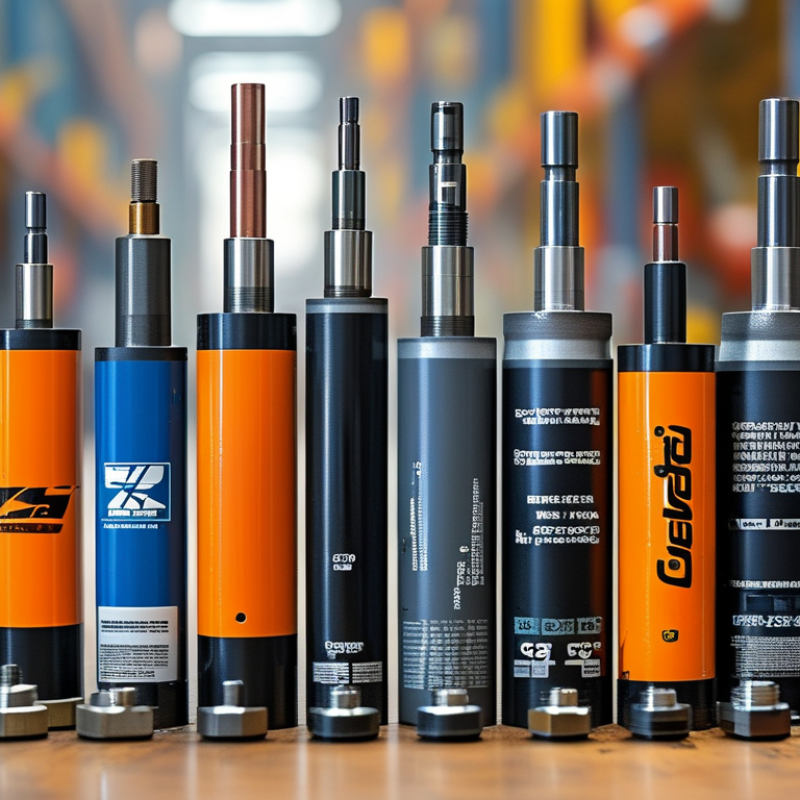
When it comes to hydraulic systems, the importance of quality in hydraulic cylinder parts cannot be overstated. Reliable components ensure optimal performance, preventing costly downtime. Low-quality parts may save money initially, but can significantly reduce efficiency over time. In a hydraulic system, every component has a role, and inferior parts can lead to system failures.
Choosing the right hydraulic cylinder parts involves recognizing the long-term benefits of quality. Detailed inspections and rigorous testing should be standard practice. Materials used in construction play a crucial role as well. They need to withstand extreme pressures and temperatures. Proper attention to these factors can lead to improved longevity and reliability. However, not every user evaluates this properly, leading to potential failures down the line.
Some may overlook the criticality of sourcing reliable parts. This oversight often stems from economic pressures or a lack of understanding. Inadequate knowledge of specifications and standards may also expose users to risks. Reflecting on past experiences can help in making better choices. It’s not just about immediate costs; it’s about achieving lasting performance and efficiency.
When selecting hydraulic cylinder parts, several key factors must be weighed carefully. Compatibility with existing systems is crucial. According to a report from the International Fluid Power Society, 68% of failures in hydraulic systems are linked to component mismatches. Understanding specifications like bore size, stroke length, and pressure rating can prevent costly downtime.
Material choice is another significant factor. Hydraulic cylinders often operate under extreme conditions. The right materials enhance durability and performance. A recent study indicated that cylinders made from high-strength alloys last 30% longer than those from standard materials. Notably, some users overlook this detail, which can lead to early failures.
Finally, consider the manufacturer's reputation. Research shows that parts from established suppliers yield a 25% lower failure rate. Reliable manufacturers invest in quality control and advanced design. However, not every supplier meets these standards. Users must conduct rigorous research to avoid potential pitfalls in their hydraulic systems. Each step taken in the selection process influences overall machine efficiency and longevity.
Hydraulic cylinder parts play a critical role in various industrial applications, from construction machinery to agricultural equipment. Understanding the types of hydraulic parts and their specific uses is essential for making informed choices. Key components include rods, seals, and pistons, with each serving unique functions. For instance, rods are responsible for transmitting force, while seals ensure fluid containment and prevent leaks. According to a report by Research and Markets, the global hydraulic components market is expected to reach USD 70 billion by 2025, highlighting the growing demand for reliable parts.
Different types of hydraulic cylinder parts have distinct applications. For example, high-strength steel rods are commonly used in heavy-duty environments, while aluminum options are recommended for lighter tasks. Seals vary in material and design; rubber seals are effective for general use, while polyurethane is known for superior durability in extreme conditions. The Fluid Power Journal noted that improper selection of these components can lead to significant system failures and costly repairs. A study indicated that up to 30% of hydraulic failures are attributed to inadequate parts quality.
Choosing the right hydraulic cylinder parts is a mix of precision and experience. Testing and feedback play vital roles in refining choices. Components must be evaluated based on specific operational needs, such as pressure rating and temperature tolerance. Decisions should be grounded in reliable data. Industry reports suggest a focus on quality can improve system efficiency by more than 25%. However, one must remain vigilant, as overlooking subtle details can have ripple effects on overall performance.
| Part Type | Description | Material | Common Applications |
|---|---|---|---|
| Piston Rod | A cylindrical rod that transmits force from the hydraulic fluid to the load. | Steel | Excavators, Forklifts |
| Cylinder Tube | The main body of the hydraulic cylinder that houses the piston. | Aluminum, Steel | Industrial Machinery, Agricultural Equipment |
| Seals | Components that prevent hydraulic fluid leaks and ensure pressure retention. | Nitrile, Urethane | Construction Equipment, Mobile Machinery |
| End Caps | Covers the ends of the cylinder tube to contain hydraulic fluid. | Steel | Forklifts, Dump Trucks |
| Check Valves | Allows fluid to flow in one direction, preventing backflow. | Brass, Stainless Steel | Heavy Machinery, Hydraulic Systems |
Hydraulic cylinders are crucial in various industries. The performance of these devices heavily relies on the materials used in their manufacturing. Common materials include steel, aluminum, and composite materials. Each material offers distinct advantages and limitations.
Steel is often preferred for its strength and durability. Reports suggest that steel can withstand significant pressure, making it suitable for heavy-duty applications. Aluminum, on the other hand, is lighter and resistant to corrosion, which is advantageous in mobile applications. Yet, aluminum might not handle high pressures as well as steel. Composite materials are gaining attention due to their lightweight nature and resistance to chemical damage. They can be tailored for specific needs, but their cost can be a drawback.
Choosing the right material directly impacts cylinder longevity and performance. An inappropriate selection can lead to failures. For instance, a steel cylinder used in a corrosive environment may lead to premature wear. Thus, understanding material properties is essential. Many professionals overlook the intricacies of materials and select based on price rather than suitability. Knowledge of each material's strengths and weaknesses is vital for effective hydraulic system design.
Evaluating supplier reliability for hydraulic components is crucial. Many industries rely heavily on these parts for safety and efficiency. According to a report by Research and Markets, the hydraulic components market is expected to reach $63 billion by 2025. This growth emphasizes the importance of finding dependable suppliers.
When assessing a supplier, look for certifications. ISO 9001 certification ensures quality management systems. A supplier without this may lack necessary quality controls. Supplier reviews and testimonials can also provide insights. Pay attention to the experiences of previous customers and their feedback. A history of on-time deliveries and effective communication indicates reliability.
Consider the supplier's testing methods. Robust testing procedures can reveal manufacturing quality. A supplier who invests in thorough testing demonstrates commitment. However, not every supplier prioritizes this, leading to potential risks. Some manufacturers overlook essential safety standards, making post-purchase assessments vital. Engaging with suppliers who are transparent about their processes will help mitigate these risks and enhance trust.
„Thanks to the LUVIR technology, the solder resist process could be switched directly from the previously used mask exposure to direct exposure. As an outstanding digital solution on the market, this technology has been able to demonstrate fast process times and superior quality on our certified conventional ink in production. This allowed us to fully digitize the solder mask process at low cost – without process or ink adjustments. An excellent benefit to our production in Rot am See.“
Ralf Göhringer (Head of Production WE Rot am See)
I would definitely recommend the Limata machine and team for a future company purchase
Michael Greenaway
Compunetics Inc.
“The Limata ldi has been amazing!! Best thing we did was buy this machine”
Richard Brady
GM
Circuitlabs
“Since 2019, we have been running the Limata X1000 LDI system (including LUVIR for solder mask imaging) in daily production as an addition to our current process with film. The machine was capable of properly exposing Taiyo PSR-4000 BN (DI) solder mask types on normal to high-copper boards using a new and unique direct imaging process. The machine operating interface is very user friendly which allowed for a quick technical training curve. The pre-registration processing reduced several seconds of production time at every print. Limata support and service staff is incomparable. They supported our team every step of the way at basically any time of the day or night, with literally, an immediate response time, customizing the software interface to best fit our Operations and needs.
We have exposed more than 8,000 prints since end of October, on various solder mask colors and some resist film panels. Limata, has proven to be very capable and innovative. They are a strong contender in the industry.
We have very much enjoyed this project, and working with the team!
Thank you Limata for the continued support and being a part of our growth.”
Bill Sezate
Vice President, GM
Summit Interconnect
As a replacement to our current contact exposure process with film, the LIMATA X2000 system including LUVIR-Technology was capable of properly exposing non-LDI solder mask types using a direct imaging process. The machine offers cutting edge software with a very intuitive operating interface which allowed for quick technician training curve. The dual drawer system combined with pre-registration processing reduced several seconds of production time at every machine cycle. Limata support and service staff is world class. They added software patches to keep production running at shortest possible response times, customized the software interface to best fit our in-house Operations system, and even wrote a step-by-step machine processing manual. As a result of the project, we have exposed more than 16,000 times on various product types and solder mask brands/colors. Limata, in a very short timeframe as a company, has definitely shown they are truly innovative and will be challenging the industry of direct imaging for the top spot.
Kevin Beattie
Process Engineer
TTM Technologies
Forest Grove Division
