Choosing the right Electrical Wire for your project can seem daunting. The variety of options available can overwhelm you. However, understanding the role of electrical wire is crucial for safety and efficiency in any project.
Electrical wire transfers energy and ensures that appliances work correctly. It also prevents potential hazards like fires and electrical shocks. Selecting the right type contributes to the overall success of your installation. For instance, choosing the wrong gauge can lead to overheating or equipment failure.
This decision requires careful thought. It is not just about what looks good or what is readily available. You need to consider factors like load requirements, insulation type, and environmental conditions. Mistakes in this choice may cost you time and money. Thus, having reliable knowledge on electrical wire is essential for avoiding such pitfalls.
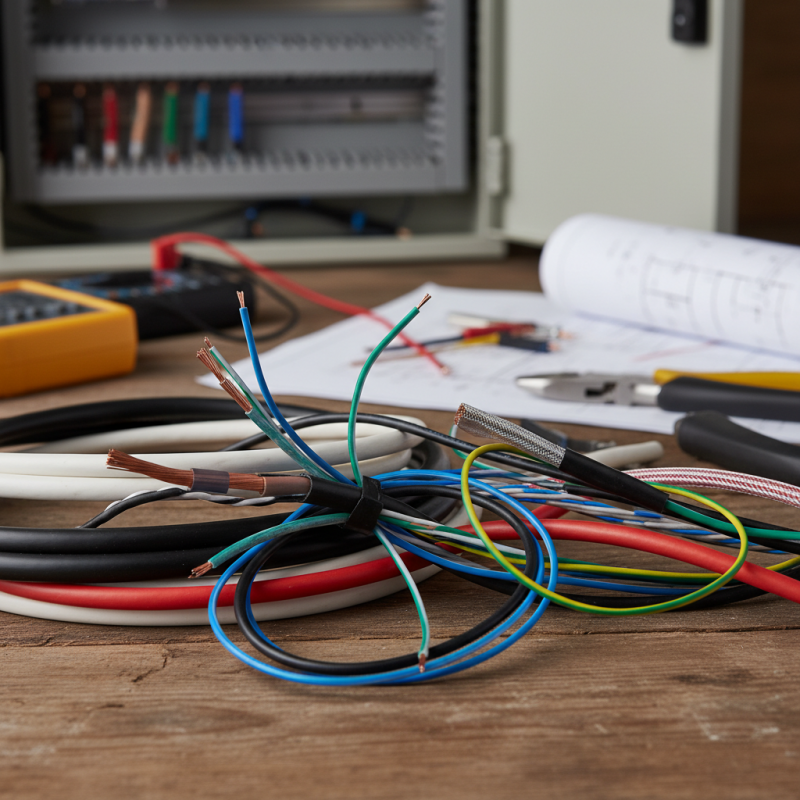
Choosing the right electrical wire is crucial for any project. The wire you select directly impacts safety, performance, and longevity. Incorrect sizing can lead to overheating and potential fires. Each type of wire has specific ratings for voltage and current. Understanding these ratings can prevent significant hazards.
When planning your project, consider the environment. For outdoor use, wires must withstand moisture and temperature changes. Indoor wiring may require different insulation. Not all wires are suitable for all applications. Some may corrode or degrade under harsh conditions. Always consult electrical codes and guidelines relevant to your area.
Many overlook the importance of connections. Poorly connected wires can lead to electrical failure. A secure connection ensures optimal performance. However, it’s easy to make mistakes, especially under time pressure. Reviewing your choices with an experienced electrician can prevent costly errors. It’s better to ask questions than to assume.
Choosing the right type of electrical wire is crucial for any project. Each wire type serves distinct purposes. For instance, copper wire is popular for residential wiring due to its excellent conductivity. It can handle voltage safely, making it a reliable choice for homes.
In contrast, aluminum wire is lighter and often used in overhead power lines. However, it requires careful handling because it expands and contracts more than copper. This property can lead to connection issues if not managed properly.
Another option is building wire, which is designed for specific environments. It’s crucial to select the right insulation type and gauge for the project’s demands.
Many DIY enthusiasts overlook the importance of compatibility. Mismatching wires can result in dangerous situations. It’s vital to understand the voltage and current ratings to prevent electrical fires. Knowledge of local codes and regulations can also guide wire selection.
It's surprising how often these details are missed, yet they are essential for safety and efficiency.
Choosing the right electrical wire is crucial for safety and efficiency. When selecting wire, understand the environment where it will be used. For outdoor projects, UV-resistant insulation is essential. Indoor wire must endure heat and potential physical damage. Each setting requires a unique approach to avoid hazards.
Consider amperage and voltage ratings. Different projects demand different capacities. Too thin a wire may cause overheating. Too thick can lead to unnecessary costs. Pay attention to the gauge. It directly affects performance and safety. A 12-gauge wire can handle more current than a 14-gauge wire. This simple detail can make or break your project.
Gauge and insulation type are not enough. Assess the flexibility needed for your installation. Some applications require more adaptable wires. It's also important to consider local codes and regulations. Ignoring them can lead to serious issues. Reflect on these aspects before starting your project. The right wire can enhance performance, ensuring your project lasts without problems.
When planning any electrical project, safety should be the top priority. Understanding safety standards and regulations for electrical wiring is crucial. These guidelines ensure that wiring systems are safe and reliable. Following these regulations helps prevent electrical fires and accidents.
Tips for choosing the right wire: Always select wires that meet local codes. Familiarize yourself with the National Electrical Code (NEC) applicable in your area. This ensures compliance and promotes safety. Consider the wire’s insulation type. Certain environments require specific insulation ratings.
Electrical installations can be tricky. Many people overlook proper grounding. Failing to ground wires can lead to overheating. Use wires suitable for the specific load. Check ampacity charts to confirm wire gauge corresponds to the expected load. Remember, a wire that’s too small can result in potential hazards. Regular reviews of your wiring setup are essential too. It’s easy to miss updates in standards, especially with evolving technology.
When selecting electrical wire for a project, common mistakes can lead to severe safety risks. One frequent error is underestimating the wire gauge. According to the National Electrical Code (NEC), using wire that is too thin for the current load can cause overheating. A 2019 report from the Electrical Safety Foundation International (ESFI) found that inadequate wire sizing is responsible for around 13% of electrical fires.
Another mistake is overlooking insulation type. Different environments demand specific insulation materials. For instance, wires exposed to moisture need water-resistant insulation. Failing to consider this can lead to corrosion and electrical failures. A study highlighted by the Institute of Electrical and Electronics Engineers (IEEE) noted that almost 30% of electrical malfunctions were connected to improper insulation choices.
Many also choose convenience over quality. Selecting low-cost options might save money initially, but the potential risks can be much higher. It's essential to balance cost with reliability, especially when wiring installations can last for decades. Reflect on these common choices to ensure a safe and effective electrical project.
„Thanks to the LUVIR technology, the solder resist process could be switched directly from the previously used mask exposure to direct exposure. As an outstanding digital solution on the market, this technology has been able to demonstrate fast process times and superior quality on our certified conventional ink in production. This allowed us to fully digitize the solder mask process at low cost – without process or ink adjustments. An excellent benefit to our production in Rot am See.“
Ralf Göhringer (Head of Production WE Rot am See)
I would definitely recommend the Limata machine and team for a future company purchase
Michael Greenaway
Compunetics Inc.
“The Limata ldi has been amazing!! Best thing we did was buy this machine”
Richard Brady
GM
Circuitlabs
“Since 2019, we have been running the Limata X1000 LDI system (including LUVIR for solder mask imaging) in daily production as an addition to our current process with film. The machine was capable of properly exposing Taiyo PSR-4000 BN (DI) solder mask types on normal to high-copper boards using a new and unique direct imaging process. The machine operating interface is very user friendly which allowed for a quick technical training curve. The pre-registration processing reduced several seconds of production time at every print. Limata support and service staff is incomparable. They supported our team every step of the way at basically any time of the day or night, with literally, an immediate response time, customizing the software interface to best fit our Operations and needs.
We have exposed more than 8,000 prints since end of October, on various solder mask colors and some resist film panels. Limata, has proven to be very capable and innovative. They are a strong contender in the industry.
We have very much enjoyed this project, and working with the team!
Thank you Limata for the continued support and being a part of our growth.”
Bill Sezate
Vice President, GM
Summit Interconnect
As a replacement to our current contact exposure process with film, the LIMATA X2000 system including LUVIR-Technology was capable of properly exposing non-LDI solder mask types using a direct imaging process. The machine offers cutting edge software with a very intuitive operating interface which allowed for quick technician training curve. The dual drawer system combined with pre-registration processing reduced several seconds of production time at every machine cycle. Limata support and service staff is world class. They added software patches to keep production running at shortest possible response times, customized the software interface to best fit our in-house Operations system, and even wrote a step-by-step machine processing manual. As a result of the project, we have exposed more than 16,000 times on various product types and solder mask brands/colors. Limata, in a very short timeframe as a company, has definitely shown they are truly innovative and will be challenging the industry of direct imaging for the top spot.
Kevin Beattie
Process Engineer
TTM Technologies
Forest Grove Division
