Choosing the right Shrink Wrap Roll is crucial for businesses looking to enhance packaging efficiency. According to industry reports, shrink wrap packaging can reduce product damage by up to 30%. Optimal choices not only improve protection but also influence logistics costs.
Understanding various shrink wrap options is key. Companies should consider film thickness, width, and material type. For instance, durable polyethylene rolls provide excellent moisture resistance, ideal for items stored outdoors. However, businesses often overlook specific needs, leading to suboptimal decisions.
The shrink wrap market is projected to grow significantly, with a compound annual growth rate (CAGR) of 4.5% by 2026. This underscores the importance of selecting the right wrap for future competitiveness. Every business must assess needs carefully to avoid over-spending on unnecessary materials.
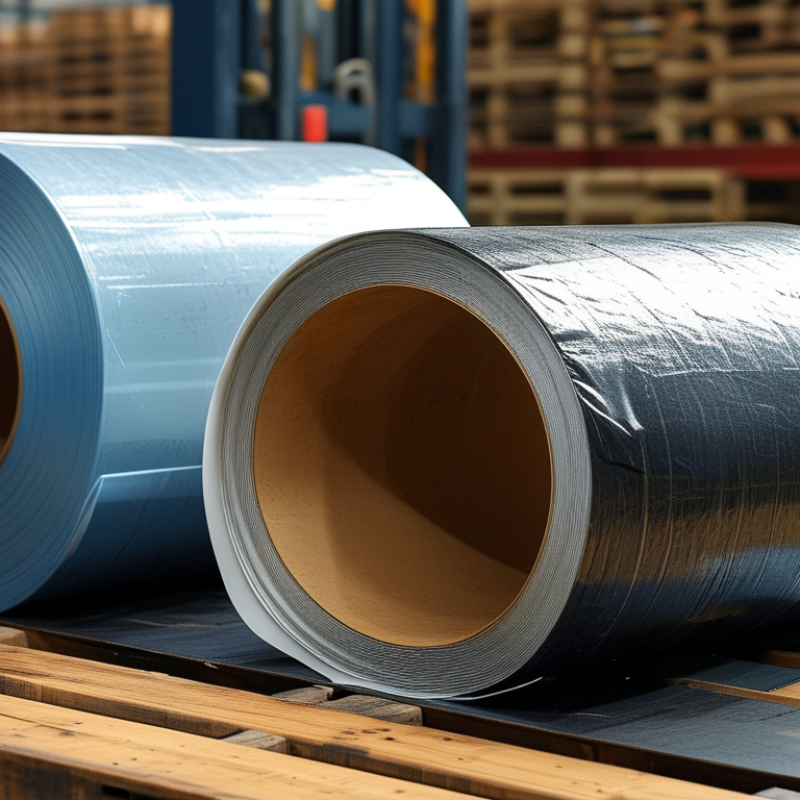
Choosing the right shrink wrap roll starts with understanding the materials. Shrink wrap films come in various types, including PVC, polyolefin, and polyethylene. Each has its specific applications and benefits. According to a 2022 market research report, the global shrink wrap market is expected to grow at a CAGR of 5.3% from 2021 to 2028. Understanding material properties is crucial for optimal usage.
PVC shrink film is cost-effective but may emit harmful gases when heated. On the other hand, polyolefin is FDA-approved for food packaging. This versatility makes it popular in various industries. A study from Packaging Strategies shows that over 35% of food manufacturers prefer polyolefin for its safety. However, its higher cost compared to PVC can be a barrier for smaller businesses.
Polyethylene is known for its durability, providing excellent puncture resistance. Sometimes, this durability can obscure its limitations. For instance, while it holds up well against heavy items, it may not shrink effectively around complex shapes. Businesses often overlook these differences, leading to inefficient packaging. Understanding the nuances of each type can prevent costly mistakes and improve packaging efficiency significantly.
When selecting shrink wrap for your business, clearly identifying your specific needs is crucial. Research from the Flexible Packaging Association indicates that 73% of businesses choose packaging that enhances product protection and extends shelf life. This data highlights the importance of understanding your product type and its storage conditions. Are your goods susceptible to moisture or dust? Knowing this can guide you toward a tighter seal or a thicker film.
Another key factor is the size and shape of your products. A rigid item may require different wrap than a soft one. According to a report by Smithers Pira, the global shrink film market is projected to reach $12 billion by 2025, driven in part by demands for customization. This highlights the trend towards tailored solutions.
You might discover that your current choice of shrink wrap isn't meeting expectations. An improper thickness could lead to breakage during transportation. Additionally, consider the sealing methods you have at hand and whether they align with the type of shrink film you intend to use. Testing a few different options could uncover practical insights that influence your choice.
When evaluating shrink wrap rolls for your business, understanding sizes and thickness is crucial. Shrink wrap comes in various sizes, ranging from narrow rolls ideal for small items to wider options for bulk packaging. A 12-inch roll is often sufficient for everyday products, while a 24-inch roll suits larger items. Choosing the right size prevents unnecessary waste and ensures the product is securely wrapped.
Thickness is equally important. Typical shrink wrap thickness ranges between 50 to 100 gauge. Thicker wraps provide greater protection and durability. A 60-gauge wrap may suffice for lighter products, but fragile items may need a thicker 80-gauge option. However, thicker wraps can be more challenging to work with and may require specialized equipment. Reflecting on your specific needs will guide the right choice.
It's also essential to consider the environmental impact. Some shrink wraps are more eco-friendly than others. While they may provide less protection, they could appeal to sustainability-minded consumers. Balancing protection with environmental concerns can lead to better decisions. Examining your options with a critical eye will help in selecting the most appropriate shrink wrap for your business's unique requirements.
| Shrink Wrap Roll Size | Thickness (Mil) | Best Uses | Estimated Cost per Roll |
|---|---|---|---|
| 12" x 1000' | 60 Mil | Packaging small to medium items | $35 |
| 18" x 1000' | 75 Mil | Packaging medium to large items | $50 |
| 24" x 1500' | 100 Mil | Heavy-duty packaging for large items | $80 |
| 36" x 2000' | 80 Mil | Bundling and palletizing | $90 |
| 48" x 2500' | 60 Mil | Industrial applications | $150 |
Choosing the right shrink wrap roll involves careful consideration of cost and quality. A recent industry report indicated that nearly 40% of businesses prioritize cost, often leading to poor-quality materials. Low-cost shrink wraps may seem appealing at first, but they can result in higher long-term expenses due to product damage and increased waste.
Quality shrink wraps provide strength and durability, essential for protecting goods during shipping and storage. High-quality options can withstand various environmental factors, contributing to fewer returns and customer complaints. According to packaging industry analyses, using quality materials can lead to a 20% reduction in shipping damages. This statistic highlights the importance of investing in reliable shrink wrap over merely focusing on initial cost savings.
However, it’s crucial to note that not all high-priced shrink wraps guarantee superior quality. Some products may carry a premium price tag without providing proportional benefits. Businesses must evaluate their specific needs and consider balance. Striking the right balance between cost and quality is not straightforward. It requires testing different materials and analyzing their performance in real-world conditions.
Choosing the right equipment for shrink wrapping is critical for any business focused on packaging efficiency and product protection. The machinery you select must align with your specific needs, whether you are packaging food items, electronics, or other products. Factors such as speed, ease of use, and the ability to handle different sizes greatly impact your overall workflow.
Consider the type of shrink wrap machine. Automated models often increase output but require higher initial investment. Manual machines are budget-friendly but may slow production rates. Additionally, think about the sealing mechanisms. Heat sealers and band sealers each have unique benefits that could affect your packaging quality. Evaluate your typical production run to determine which machine offers the best performance without sacrificing reliability.
Don't forget about the learning curve involved with new equipment. Staff may need training to operate complex machines efficiently. This can lead to temporary slowdowns in production. Investing time in proper training ensures smoother operations in the long run. Be ready to adjust your processes as needed based on staff feedback and machine performance.
„Thanks to the LUVIR technology, the solder resist process could be switched directly from the previously used mask exposure to direct exposure. As an outstanding digital solution on the market, this technology has been able to demonstrate fast process times and superior quality on our certified conventional ink in production. This allowed us to fully digitize the solder mask process at low cost – without process or ink adjustments. An excellent benefit to our production in Rot am See.“
Ralf Göhringer (Head of Production WE Rot am See)
I would definitely recommend the Limata machine and team for a future company purchase
Michael Greenaway
Compunetics Inc.
“The Limata ldi has been amazing!! Best thing we did was buy this machine”
Richard Brady
GM
Circuitlabs
“Since 2019, we have been running the Limata X1000 LDI system (including LUVIR for solder mask imaging) in daily production as an addition to our current process with film. The machine was capable of properly exposing Taiyo PSR-4000 BN (DI) solder mask types on normal to high-copper boards using a new and unique direct imaging process. The machine operating interface is very user friendly which allowed for a quick technical training curve. The pre-registration processing reduced several seconds of production time at every print. Limata support and service staff is incomparable. They supported our team every step of the way at basically any time of the day or night, with literally, an immediate response time, customizing the software interface to best fit our Operations and needs.
We have exposed more than 8,000 prints since end of October, on various solder mask colors and some resist film panels. Limata, has proven to be very capable and innovative. They are a strong contender in the industry.
We have very much enjoyed this project, and working with the team!
Thank you Limata for the continued support and being a part of our growth.”
Bill Sezate
Vice President, GM
Summit Interconnect
As a replacement to our current contact exposure process with film, the LIMATA X2000 system including LUVIR-Technology was capable of properly exposing non-LDI solder mask types using a direct imaging process. The machine offers cutting edge software with a very intuitive operating interface which allowed for quick technician training curve. The dual drawer system combined with pre-registration processing reduced several seconds of production time at every machine cycle. Limata support and service staff is world class. They added software patches to keep production running at shortest possible response times, customized the software interface to best fit our in-house Operations system, and even wrote a step-by-step machine processing manual. As a result of the project, we have exposed more than 16,000 times on various product types and solder mask brands/colors. Limata, in a very short timeframe as a company, has definitely shown they are truly innovative and will be challenging the industry of direct imaging for the top spot.
Kevin Beattie
Process Engineer
TTM Technologies
Forest Grove Division
