When considering industrial ventilation systems, choosing the right equipment is crucial. A Centrifugal Fan can significantly influence efficiency and performance. These fans, designed to move air and gases, are prevalent in various applications. They function by converting rotational energy into airflow, making them suitable for many industrial needs.
Centrifugal Fans offer several advantages. They can handle high pressure and volumetric flow. Their compact design allows for easier installation in tight spaces. Operators often appreciate their reliability, thanks to durable materials used in construction. However, selecting the right Centrifugal Fan requires understanding specific requirements. Not all fans are created equal; variations in design can impact performance.
Even with benefits, there can be challenges. Maintenance is essential to ensure longevity. Users must also consider noise levels, as some models may be louder than desired. Balancing these factors is key to optimizing fan selection. Ultimately, investing in a high-quality Centrifugal Fan can lead to enhanced industrial operations and improved productivity.
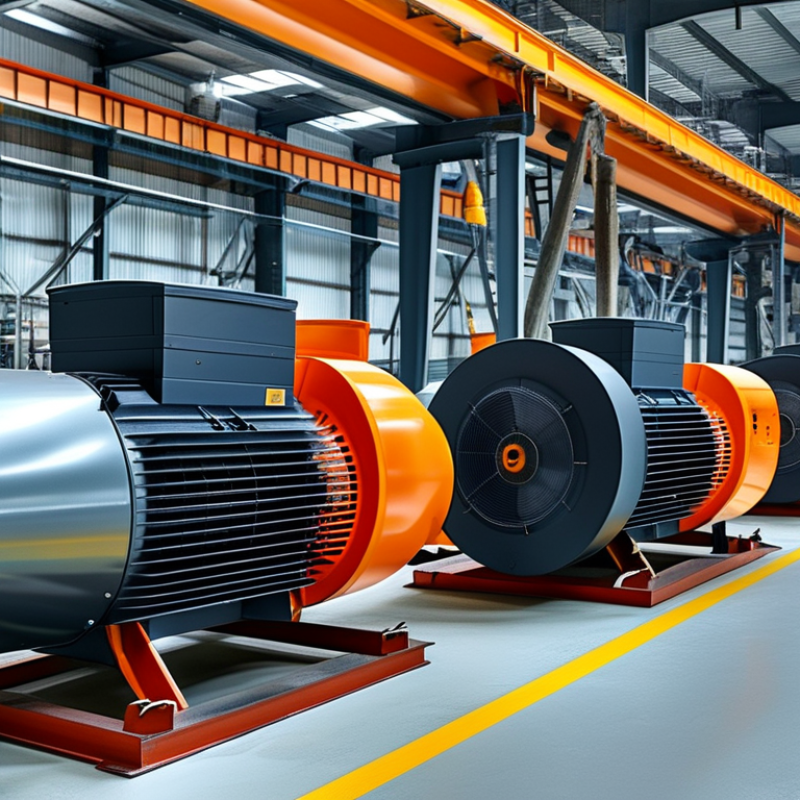
Centrifugal fans are crucial in many industrial settings. They work by converting kinetic energy into airflow. The design typically includes a rotating impeller that draws air in at the center. The air is then expelled at the periphery, creating a significant pressure increase. This mechanism is vital for applications that require consistent airflow.
These fans are particularly effective at moving air through duct systems. Their versatility allows them to handle various air volumes and pressures. Industries often rely on them for exhaust, cooling, and ventilation. Despite their efficiency, users must regularly monitor performance. Even small changes in pressure can indicate issues, leading to inefficiencies.
Maintaining a centrifugal fan can be complex. Dust and debris can accumulate, affecting performance. Regular cleaning and inspections are necessary. A lack of attention can lead to costly repairs or replacements. Understanding how these fans operate is essential for maximizing their potential. Investing time in knowledge can lead to better outcomes.
When it comes to industrial applications, centrifugal fans offer significant advantages. Their design enables them to handle high volumes of air with minimal energy consumption. This efficiency makes them ideal for various processes where airflow is crucial. Industries like manufacturing, HVAC, and food processing benefit from their reliable performance. Centrifugal fans can function effectively at different pressures, adapting to varying operational requirements.
Tips: When selecting a fan, consider the specific needs of your operation. Understand the airflow requirements and ensure the fan can provide the necessary pressure. Consult industry standards to ensure compliance and efficiency.
Another key advantage is their durability. Built with robust materials, centrifugal fans withstand rigorous environments. They require less maintenance compared to other fan types. This reliability translates to reduced downtime in industrial settings. However, it’s important to monitor their performance regularly. Even with low maintenance needs, occasional checks can prevent unexpected failures.
Tips: Regular inspections can extend the lifespan of your equipment. Develop a preventive maintenance schedule to keep performance at its peak. Always document your findings to track issues over time.
Centrifugal fans are vital in various industrial applications. They provide efficient airflow and are suitable for handling air, gases, and other materials. Understanding their types helps in choosing the right fan for specific needs.
There are several types of centrifugal fans. Forward curve fans are compact and operate quietly, making them suitable for HVAC systems. They are efficient at lower speeds, but can sometimes struggle at higher pressures. Backward curve fans, on the other hand, handle higher airflow rates, making them ideal for heavy-duty applications. However, they may be noisier than their forward counterparts.
Radial fans offer versatility for various uses, from cooling systems to dust collection. They have a robust design, but their efficiency can vary based on installation. Vane-axial fans excel in delivering high airflow; yet, they can be less effective in high-pressure situations. Evaluating these options requires a good understanding of the specific operational demands. Each type presents unique advantages and challenges, allowing industries to tailor their systems accordingly.
When selecting a centrifugal fan for industrial applications, several factors must be considered. Efficiency is key. Look for fans that can provide optimal airflow at lower energy consumption. This means evaluating the fan's impeller design and motor type. Efficient fans not only save energy but also reduce operational costs in the long run.
Another aspect is the environment in which the fan will operate. Consider conditions like temperature and humidity. Some materials may not withstand harsh environments well. Additionally, noise levels can be a concern in industrial settings. Look for fans designed to minimize noise, particularly if the workspace is sensitive to sound levels.
Lastly, maintenance requirements vary among different centrifugal fans. Some may require regular lubrication, while others use sealed bearings. Assessing the ease of maintenance can prevent operational downtime. Reflect on the long-term implications of your choice. An incorrectly chosen fan could lead to inefficiencies, unexpected costs, or even safety hazards. Take the time to analyze each factor carefully.
| Specification | Details |
|---|---|
| Airflow Capacity | 1000 - 100000 CFM |
| Static Pressure | 0.5 - 10 inches WG |
| Efficiency | 70% - 90% |
| Power Consumption | 1 - 50 HP |
| Noise Level | 50 - 85 dB |
| Material Options | Steel, Aluminum, Plastic |
| Applications | HVAC, Dust Collection, Exhaust Ventilation |
When it comes to industrial applications, centrifugal fans play a crucial role. However, maintenance is key to ensuring their efficiency. Regular checks can prevent unexpected breakdowns. Addressing minor issues before they escalate saves both time and money.
To maintain peak performance, inspect the fan regularly. Look for wear on belts and bearings. Dust and debris can affect airflow, so clean the fan housing frequently. Small things make a big difference. If you notice strange noises, investigate immediately. This can indicate a misalignment or another issue.
Lubrication is essential for keeping moving parts functioning smoothly. Use the correct lubricant in the right amounts. Over-lubrication can lead to buildup, causing inefficiency. Monitor energy usage as well. A spike in power consumption may signal a problem. Stay proactive to avoid larger repairs.
„Thanks to the LUVIR technology, the solder resist process could be switched directly from the previously used mask exposure to direct exposure. As an outstanding digital solution on the market, this technology has been able to demonstrate fast process times and superior quality on our certified conventional ink in production. This allowed us to fully digitize the solder mask process at low cost – without process or ink adjustments. An excellent benefit to our production in Rot am See.“
Ralf Göhringer (Head of Production WE Rot am See)
I would definitely recommend the Limata machine and team for a future company purchase
Michael Greenaway
Compunetics Inc.
“The Limata ldi has been amazing!! Best thing we did was buy this machine”
Richard Brady
GM
Circuitlabs
“Since 2019, we have been running the Limata X1000 LDI system (including LUVIR for solder mask imaging) in daily production as an addition to our current process with film. The machine was capable of properly exposing Taiyo PSR-4000 BN (DI) solder mask types on normal to high-copper boards using a new and unique direct imaging process. The machine operating interface is very user friendly which allowed for a quick technical training curve. The pre-registration processing reduced several seconds of production time at every print. Limata support and service staff is incomparable. They supported our team every step of the way at basically any time of the day or night, with literally, an immediate response time, customizing the software interface to best fit our Operations and needs.
We have exposed more than 8,000 prints since end of October, on various solder mask colors and some resist film panels. Limata, has proven to be very capable and innovative. They are a strong contender in the industry.
We have very much enjoyed this project, and working with the team!
Thank you Limata for the continued support and being a part of our growth.”
Bill Sezate
Vice President, GM
Summit Interconnect
As a replacement to our current contact exposure process with film, the LIMATA X2000 system including LUVIR-Technology was capable of properly exposing non-LDI solder mask types using a direct imaging process. The machine offers cutting edge software with a very intuitive operating interface which allowed for quick technician training curve. The dual drawer system combined with pre-registration processing reduced several seconds of production time at every machine cycle. Limata support and service staff is world class. They added software patches to keep production running at shortest possible response times, customized the software interface to best fit our in-house Operations system, and even wrote a step-by-step machine processing manual. As a result of the project, we have exposed more than 16,000 times on various product types and solder mask brands/colors. Limata, in a very short timeframe as a company, has definitely shown they are truly innovative and will be challenging the industry of direct imaging for the top spot.
Kevin Beattie
Process Engineer
TTM Technologies
Forest Grove Division
