Choosing the right Automatic Soil Resilient Modulus Tester is crucial for accurate soil analysis. According to Dr. Emily Carter, a leading geotechnical engineer, “Selecting the appropriate tester can significantly impact project outcomes.” Her insight underscores the importance of this equipment in civil engineering projects.
The Automatic Soil Resilient Modulus Tester assesses the resilient modulus of soil, a key indicator of its behavior under traffic loads. This test is vital for understanding soil mechanics and ensuring road stability. Therefore, making an informed choice is critical. Factors such as the testing range, ease of use, and precision are paramount when evaluating these testers.
However, many professionals overlook some details. A tester may seem high-tech but could lack reliability in different soil types. Some models may have limited capabilities that do not meet project demands. Being aware of these nuances helps engineers choose wisely. This process involves not just picking a model but understanding how it fits within the project goals.
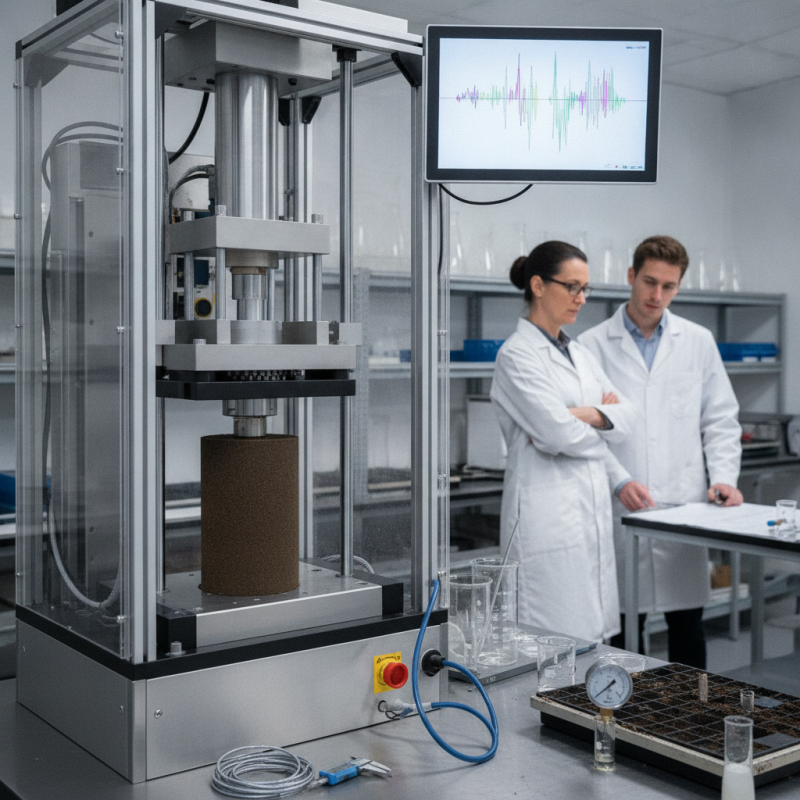
Soil resilient modulus is crucial in understanding how soil behaves under loading conditions. It measures the elastic response of soil when subjected to repeated stress. This property is essential for evaluating the performance of roadways and foundations. Proper analysis helps in predicting potential deformation under traffic loads.
Testing for soil resilient modulus involves specific methodologies and equipment. An ideal tester should maintain precise control over loading cycles. It must accurately record soil deformation. A balance between automation and user input is vital. While automated systems enhance efficiency, some judgment is necessary for interpreting data. Relying solely on machines can sometimes overlook human insights.
The importance of soil resilient modulus cannot be underestimated. Engineers need reliable data for decision-making. Inadequate testing can lead to structural failures. Thoughtful consideration of test methodologies ensures that results are trustworthy. Understanding these nuances elevates the reliability of soil testing practices.
| Feature | Description | Importance | Recommended Range |
|---|---|---|---|
| Test Speed | Speed of loading and unloading cycles during testing | Affects the accuracy of resilient modulus values | 0.1 to 10 Hz |
| Load Cell Capacity | Maximum load that can be applied during testing | Critical for ensuring the tester can handle various soil types | 0 to 1000 N |
| Data Acquisition Frequency | Rate at which data is collected during the test | Higher frequency provides more detailed results | 100 Hz or higher |
| Temperature Control | Capability of maintaining specific temperatures during tests | Ensures accurate modeling of in-situ conditions | -10°C to 50°C |
| Software Compatibility | Integration with data management and analysis software | Facilitates easier data analysis and reporting | Compatible with major data analysis software |
When selecting an automatic soil resilient modulus tester, several key features stand out. One crucial aspect is precision. A tester should deliver consistent and accurate readings. This ensures that your data is reliable and useful for further analysis. Calibration options are also important. A tester that allows for easy calibration will save time and improve accuracy.
Another feature to consider is user interface. A simple and intuitive interface will reduce the learning curve. Look for a tester that allows easy access to controls and data output. Data management capabilities are vital. Select a model that can store and retrieve test results efficiently. This can help in tracking changes over time.
Durability is essential, too. The device should withstand frequent use and various environmental conditions. Consider the materials used in construction. Take note of any reviews regarding its long-term performance. In this field, understanding the potential shortcomings of a model can guide better choices. An automatic tester that is user-friendly but lacks robustness might not serve long-term needs well. Ultimately, weigh each feature carefully and consider how it fits into your specific testing scenarios.
When choosing an automatic soil resilient modulus tester, it’s essential to understand the various types available in the market. These devices help evaluate soil behavior under different loading conditions. Understanding their features can guide you to the right choice.
One common type is the consolidation tester. This device measures the soil's response to pressure over time. It can be used for various soil types. Another popular option is the repeated load triaxial tester. This model simulates traffic loads and evaluates soil resilience under cyclic stress. It’s vital for road construction projects.
There are also portable testers for field use. They provide on-site testing, which enhances efficiency. However, results can vary based on environmental conditions. Thus, understanding your project's requirements is crucial. Each type of tester has its strengths and potential limitations. Reflect on your needs before making a decision.
When selecting an automatic soil resilient modulus tester, it's crucial to compare various brands and models. Different devices may have unique features and capabilities that can significantly influence performance. While one model may excel in speed, another might offer enhanced accuracy. Understanding these differences is essential for making an informed decision.
Many testers use similar technology, yet they vary in user interface and ease of operation. Some devices offer advanced data analysis tools that can streamline your workflow. Others may have a more user-friendly setup, reducing the learning curve for new operators. It’s important to consider which features align with your specific testing requirements.
Issues often arise with calibration and maintenance, which can impact test results. Some machines require frequent recalibration, while others maintain stability over time. Evaluating consistency and reliability is key. Users should reflect on their experiences with various models, as this feedback can guide future purchases. The right choice will depend on balancing performance, reliability, and user experience.
Regular maintenance of an automatic soil resilient modulus tester is essential for accurate results. Calibration is a critical aspect of this process. It ensures that the tester provides reliable and consistent data. Without proper calibration, you risk faulty readings that could lead to misinterpretations of soil behavior.
Routine checks should include inspecting all mechanical components. Look for wear and tear in moving parts. Lubricate where necessary. Also, the software must be updated to reflect the latest standards in soil testing. Documentation of calibration checks is crucial. This creates a reliable history of the device’s performance.
Assessing environmental conditions is also important. Temperature and humidity can affect testing outcomes. Ensure the tester is kept in a stable environment. Regularly review your procedures. If consistent discrepancies occur, it may indicate underlying issues. Being proactive can prevent long-term problems that impact testing credibility.
„Thanks to the LUVIR technology, the solder resist process could be switched directly from the previously used mask exposure to direct exposure. As an outstanding digital solution on the market, this technology has been able to demonstrate fast process times and superior quality on our certified conventional ink in production. This allowed us to fully digitize the solder mask process at low cost – without process or ink adjustments. An excellent benefit to our production in Rot am See.“
Ralf Göhringer (Head of Production WE Rot am See)
I would definitely recommend the Limata machine and team for a future company purchase
Michael Greenaway
Compunetics Inc.
“The Limata ldi has been amazing!! Best thing we did was buy this machine”
Richard Brady
GM
Circuitlabs
“Since 2019, we have been running the Limata X1000 LDI system (including LUVIR for solder mask imaging) in daily production as an addition to our current process with film. The machine was capable of properly exposing Taiyo PSR-4000 BN (DI) solder mask types on normal to high-copper boards using a new and unique direct imaging process. The machine operating interface is very user friendly which allowed for a quick technical training curve. The pre-registration processing reduced several seconds of production time at every print. Limata support and service staff is incomparable. They supported our team every step of the way at basically any time of the day or night, with literally, an immediate response time, customizing the software interface to best fit our Operations and needs.
We have exposed more than 8,000 prints since end of October, on various solder mask colors and some resist film panels. Limata, has proven to be very capable and innovative. They are a strong contender in the industry.
We have very much enjoyed this project, and working with the team!
Thank you Limata for the continued support and being a part of our growth.”
Bill Sezate
Vice President, GM
Summit Interconnect
As a replacement to our current contact exposure process with film, the LIMATA X2000 system including LUVIR-Technology was capable of properly exposing non-LDI solder mask types using a direct imaging process. The machine offers cutting edge software with a very intuitive operating interface which allowed for quick technician training curve. The dual drawer system combined with pre-registration processing reduced several seconds of production time at every machine cycle. Limata support and service staff is world class. They added software patches to keep production running at shortest possible response times, customized the software interface to best fit our in-house Operations system, and even wrote a step-by-step machine processing manual. As a result of the project, we have exposed more than 16,000 times on various product types and solder mask brands/colors. Limata, in a very short timeframe as a company, has definitely shown they are truly innovative and will be challenging the industry of direct imaging for the top spot.
Kevin Beattie
Process Engineer
TTM Technologies
Forest Grove Division
