In the fast-paced packaging industry, selecting the right equipment is crucial. The choice of a 50kg Bags Packing Machine is often a significant investment for businesses. According to recent market reports, the global packaging machinery market is expected to reach $45 billion by 2026, with a notable demand for efficient bagging solutions. Industries from food to chemicals rely heavily on these machines for their productivity and cost-effectiveness.
When looking for a 50kg Bags Packing Machine, it’s essential to consider several factors. Machine speed, accuracy, and compatibility with materials can greatly influence operational efficiency. Recent studies show that machines with higher automation reduce manual labor costs by up to 30%. However, not all machines may meet these operational needs effectively, raising questions about performance reliability and maintenance.
Understanding the various features and specifications of these machines can lead to better investment decisions. Potential buyers should reflect on their specific needs and the trade-offs they are willing to accept. Investing in a 50kg Bags Packing Machine is not just about cost; it also requires a deep understanding of long-term benefits and efficiency gains. This awareness can lead to more informed choices and sustainable growth in the packaging sector.
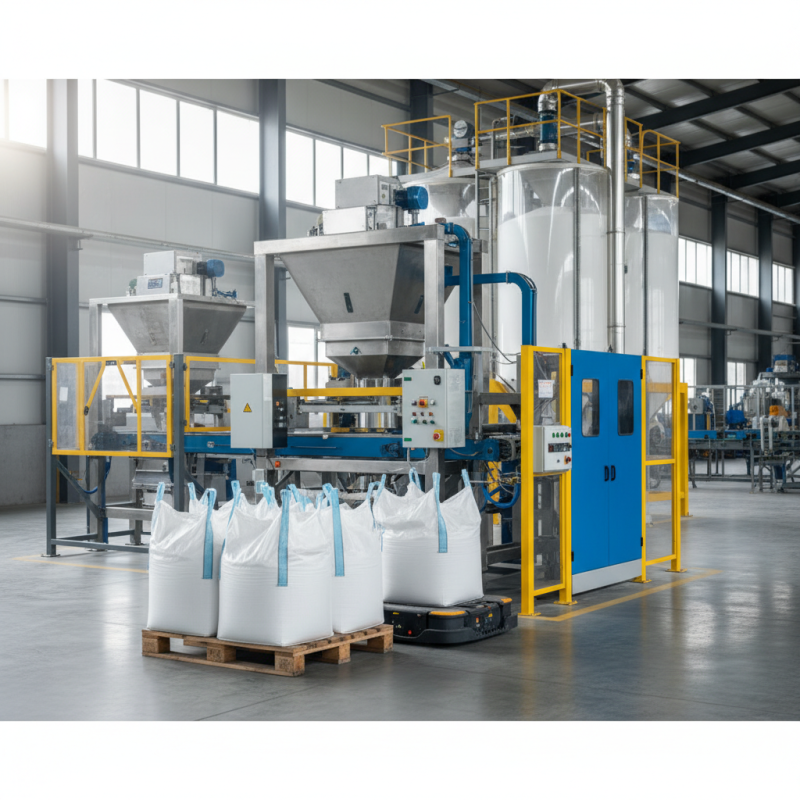
When selecting a 50kg bags packing machine, key features play a significant role in ensuring efficiency and reliability. One critical aspect is the accuracy of the filling mechanism. Machines with precise weight sensors reduce waste and improve packing consistency. A fluctuation of just a few grams can affect quality and cost.
Speed is another essential feature. Look for machines with adjustable packing speeds to match production demands. Higher speeds can enhance productivity but may also increase risk. A balance is crucial here. It's worthwhile to assess how quickly your facility needs the machine to operate without compromising safety.
Additionally, consider the ease of operation and maintenance. A user-friendly interface simplifies training staff and reduces errors. Regular maintenance can be burdensome; choose machines that offer straightforward cleaning and servicing. This focus on usability often reflects a machine's overall design quality. While many machines boast features, they should actively align with your operational goals and workflow.
When selecting a packing machine for 50kg bags, understanding the different types is crucial. Each machine type varies in design, efficiency, and purpose. Common options include vertical and horizontal form-fill-seal machines. Vertical machines often handle granular products well, while horizontal machines are typically better for bulkier items. Knowing the specifics of your product ensures you make an informed choice.
Another important aspect is speed and automation. Some machines are semi-automated, requiring manual labor at points in the process. Fully automated packing machines offer efficiency but may require a higher initial investment. Think about your production scale and budget. The ideal machine balances speed, efficiency, and cost. There may be trade-offs involved that require careful consideration.
Lastly, consider the maintenance and support needed for the machine. A more complex machine might offer higher output but can also lead to more potential issues. Regular maintenance is key. Understanding the machine's needs helps avoid downtime. Each packing machine has distinct characteristics, and understanding these nuances is essential for long-term success in your operation.
This chart illustrates the key features of different types of packing machines suitable for 50kg bags based on efficiency, speed, and cost.
When selecting a 50kg bags packing machine, efficiency is key. Speed and output rates directly impact production timelines. A reliable machine should ideally pack a significant number of bags per hour. For example, a well-calibrated device might pack 600 bags in 60 minutes. However, varying factors can affect these metrics.
Consider the machine's setup. An efficient design may require minimal adjustments between different product specifications. It is important to examine how user-friendly the controls are. Complex machinery might lead to errors and downtime. Regular maintenance should also be part of any packing strategy. Machines that are not well-cared for can run into mechanical issues, decreasing their packing speed unexpectedly.
Evaluate the materials used in the machine's construction. Lightweight materials can reduce speed but may impact durability. Conversely, heavy-duty machines could enhance longevity but may require more energy, slowing down the process. A balance between speed and reliability is essential. Ultimately, test different models if possible. Hands-on experience can reveal whether the machine meets your output needs effectively.
Choosing a quality 50kg bags packing machine involves careful cost analysis. Budgeting is crucial to ensure you get the best value for your investment. Sometimes, opting for the cheapest option can lead to greater expenses down the line. Make a list of essential features your machine must have and stick to it.
When evaluating prices, consider both initial costs and ongoing maintenance. Some machines may appear affordable at first glance. However, high maintenance costs can make them less economical. It’s wise to budget for spare parts and supporting equipment. Don’t forget to account for energy consumption.
Tips: Always request detailed quotes from manufacturers. This helps in comparing offers effectively. Additionally, visit trade shows if possible. These events provide insights into various options available. You might discover machines not showcased online. Understanding the total cost of ownership will guide your choice. When in doubt, consult with industry experts for their recommendations.
When considering a 50kg bags packing machine, maintenance and support are crucial. Regular maintenance can prevent unexpected breakdowns and prolong the machine's lifespan. Simple tasks include lubrication, cleaning, and checking for wear and tear. Remember, even minor issues can escalate if ignored. Additionally, relying solely on in-house expertise may not always suffice. Sometimes, professional input is necessary.
Support is another essential element for longevity. A reliable service team can provide timely assistance. When choosing a machine, it's wise to inquire about the availability of technical support. Is it local? How responsive is the team? Having access to genuine spare parts can also make a significant difference. However, not all companies prioritize having an extensive support system.
A machine's complexity can be daunting. Users might feel overwhelmed by operational manuals or technical specifications. It’s okay; many face these challenges. Embrace the learning process. Some users may struggle to fully understand all features. That’s normal. Persistence, coupled with support, ensures you get the most from your equipment over time. Prioritizing these aspects will create a stronger foundation for your packing operations.
„Thanks to the LUVIR technology, the solder resist process could be switched directly from the previously used mask exposure to direct exposure. As an outstanding digital solution on the market, this technology has been able to demonstrate fast process times and superior quality on our certified conventional ink in production. This allowed us to fully digitize the solder mask process at low cost – without process or ink adjustments. An excellent benefit to our production in Rot am See.“
Ralf Göhringer (Head of Production WE Rot am See)
I would definitely recommend the Limata machine and team for a future company purchase
Michael Greenaway
Compunetics Inc.
“The Limata ldi has been amazing!! Best thing we did was buy this machine”
Richard Brady
GM
Circuitlabs
“Since 2019, we have been running the Limata X1000 LDI system (including LUVIR for solder mask imaging) in daily production as an addition to our current process with film. The machine was capable of properly exposing Taiyo PSR-4000 BN (DI) solder mask types on normal to high-copper boards using a new and unique direct imaging process. The machine operating interface is very user friendly which allowed for a quick technical training curve. The pre-registration processing reduced several seconds of production time at every print. Limata support and service staff is incomparable. They supported our team every step of the way at basically any time of the day or night, with literally, an immediate response time, customizing the software interface to best fit our Operations and needs.
We have exposed more than 8,000 prints since end of October, on various solder mask colors and some resist film panels. Limata, has proven to be very capable and innovative. They are a strong contender in the industry.
We have very much enjoyed this project, and working with the team!
Thank you Limata for the continued support and being a part of our growth.”
Bill Sezate
Vice President, GM
Summit Interconnect
As a replacement to our current contact exposure process with film, the LIMATA X2000 system including LUVIR-Technology was capable of properly exposing non-LDI solder mask types using a direct imaging process. The machine offers cutting edge software with a very intuitive operating interface which allowed for quick technician training curve. The dual drawer system combined with pre-registration processing reduced several seconds of production time at every machine cycle. Limata support and service staff is world class. They added software patches to keep production running at shortest possible response times, customized the software interface to best fit our in-house Operations system, and even wrote a step-by-step machine processing manual. As a result of the project, we have exposed more than 16,000 times on various product types and solder mask brands/colors. Limata, in a very short timeframe as a company, has definitely shown they are truly innovative and will be challenging the industry of direct imaging for the top spot.
Kevin Beattie
Process Engineer
TTM Technologies
Forest Grove Division
