Choosing the right body composition analyzer is crucial for maintaining a healthy lifestyle. These devices provide valuable insights into your body fat, muscle mass, and hydration levels. Understanding these metrics can help you make informed decisions about fitness and nutrition.
Before making a purchase, consider your specific needs. Are you a serious athlete or just starting your fitness journey? Some analyzers offer advanced features, while others might focus on basic measurements. Think about what information is most important for your goals.
Quality and reliability should also be top priorities. Many brands promise accuracy, but not all deliver. Research reviews and seek recommendations. A misleading body composition analyzer can lead to poor decisions and frustration. It’s essential to find a device that aligns with your goals and provides trustworthy data.
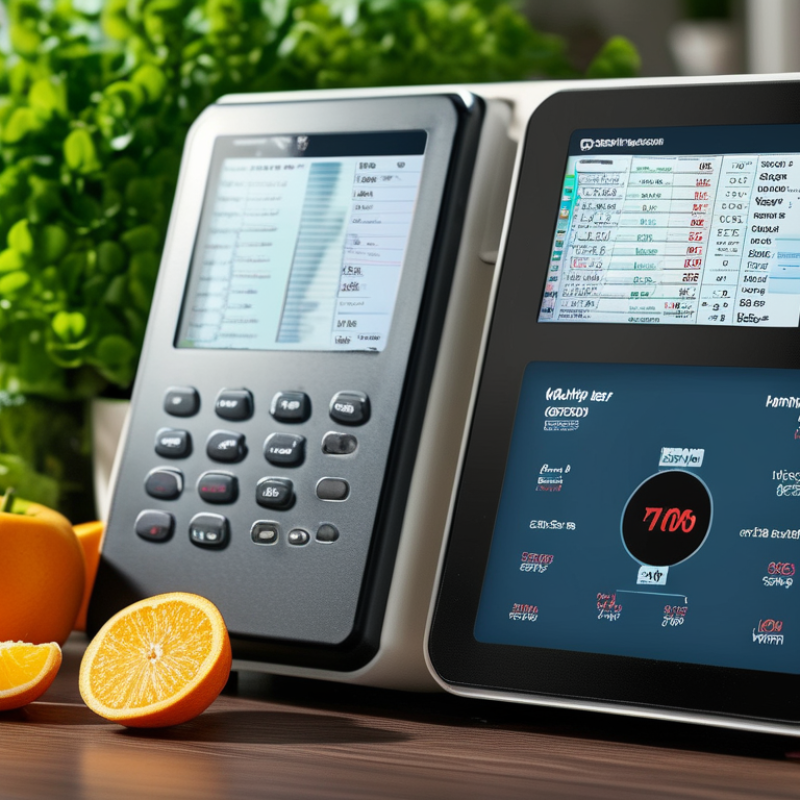
Body composition is a critical element of overall health. It goes beyond just weight, offering insights into muscle, fat, and bone distribution. Understanding your body composition can help in creating tailored fitness and dietary plans. Many people overlook the significance of fat mass versus muscle mass. Muscle weighs more than fat, so relying solely on a scale can be misleading. This is where a body composition analyzer comes into play.
Using such a device can provide valuable data on your physique. It can indicate whether you have a balanced ratio of fat to muscle. Awareness of these metrics can empower individuals to make informed decisions about their health. However, not all body composition analyzers are the same. Some may overestimate or underestimate certain measurements. This variability reminds us to approach results with a critical mindset. Regularly tracking changes can also help in understanding personal trends over time. Each person’s body is unique, and analyzing it requires careful thought and reflection.
When looking for a body composition analyzer, understanding the different types available is crucial. There are mainly three categories: bioelectrical impedance analysis (BIA), dual-energy X-ray absorptiometry (DEXA), and air displacement plethysmography (ADP). Each method has its strengths and weaknesses.
BIA devices are common and accessible. They use electrical signals to estimate body fat and muscle mass. A study published in the Journal of Applied Physiology indicates that BIA can have a margin of error of about 3-5%. This means results can vary significantly depending on factors like hydration levels. When using BIA, consistency is critical. Measure at the same time of day for more reliable results.
DEXA provides a precise measurement of body composition. Studies indicate that it is considered the gold standard, with an accuracy rate of 98%. However, DEXA scans can be costly and require specialized facilities. ADP, while less commonly used in everyday settings, can be effective for those interested in detailed analysis of body volume and density. Each type has its limitations, and understanding them helps in making informed choices.
Choosing the right body composition analyzer can be a challenging task. There are several key features to look for to ensure you make an informed decision. Accuracy is crucial. Check if the device uses bioelectrical impedance analysis (BIA) for precise measurements. This method sends a small electrical current through the body to assess fat and muscle content.
Ease of use is another important aspect. A user-friendly interface helps you track data without confusion. Look for models with clear displays and intuitive navigation. If possible, choose an analyzer that syncs with your smartphone. This can simplify tracking your progress over time.
When evaluating features, consider reliability. Some devices might give varying results. Consistency in readings is vital for effective monitoring. High-quality sensors often produce more stable measurements. Reflect on your specific needs. Decide if you want to measure additional metrics, like hydration levels or bone mass.
Maintaining realistic expectations is essential. While these analyzers provide valuable insights, they are not infallible. Personal lifestyle factors can influence readings. Stay mindful that a single measurement may not tell the whole story. Investing time in research can pay off in the long run.
When evaluating body composition analyzers, accuracy is crucial. Different methods deliver varied results. Many devices use bioelectrical impedance analysis (BIA). This technique estimates body fat by measuring resistance to electrical flow. However, factors like hydration levels and recent meals can skew these measurements.
Reliability is equally important. Users often overlook the calibration of their devices. An improper setup may lead to inconsistent results over time. Regular calibration checks can help maintain accuracy. Additionally, comparing the analyzer’s results with professional assessments can help validate its reliability.
Understanding the technology behind these devices enhances decision-making. Some devices may offer compelling features, but their performance varies. Reading user reviews can provide insights into real-life experiences. Look for feedback on accuracy and how often people recalibrate their devices. This knowledge can guide you toward making a more informed choice.
When selecting a body composition analyzer, budget considerations are crucial. The market offers a range of options, from basic scales to advanced devices with multiple features. A report by the International Journal of Obesity indicates that investing in a valuable analyzer can lead to better long-term health decisions, emphasizing the need to focus on quality over price.
Affordable analyzers often lack essential features. Many basic devices only measure weight, overlooking metrics such as body fat and muscle mass. Research shows that more expensive models can deliver higher accuracy, which is vital for tracking fitness progress. For example, a study from the Journal of Sports Sciences found that higher-end devices decrease the margin of error in body fat percentage measurements by up to 15%.
While a limited budget may restrict your choices, think about your goals. A cheaper analyzer might save money now but could lead to costly mistakes later. Investing in a reliable device often pays off through more accurate data and better health insights. Make sure to assess what features matter most to you. Analyzing value for money doesn't always mean the lowest price; it also means understanding how the device will serve your specific needs over time.
| Feature | Analyzer A | Analyzer B | Analyzer C |
|---|---|---|---|
| Price | $50 | $100 | $150 |
| Measurement Types | Body Fat, Muscle Mass | Body Fat, Muscle Mass, Water Ratio | Body Fat, Muscle Mass, Water Ratio, Bone Density |
| Connectivity | Bluetooth | Bluetooth, Wi-Fi | Bluetooth, Wi-Fi, App Integration |
| Display Type | LED | LCD | Full-Color LCD |
| User Profiles | 1 | 5 | 10 |
| Battery Life | 3 months | 6 months | 1 year |
„Thanks to the LUVIR technology, the solder resist process could be switched directly from the previously used mask exposure to direct exposure. As an outstanding digital solution on the market, this technology has been able to demonstrate fast process times and superior quality on our certified conventional ink in production. This allowed us to fully digitize the solder mask process at low cost – without process or ink adjustments. An excellent benefit to our production in Rot am See.“
Ralf Göhringer (Head of Production WE Rot am See)
I would definitely recommend the Limata machine and team for a future company purchase
Michael Greenaway
Compunetics Inc.
“The Limata ldi has been amazing!! Best thing we did was buy this machine”
Richard Brady
GM
Circuitlabs
“Since 2019, we have been running the Limata X1000 LDI system (including LUVIR for solder mask imaging) in daily production as an addition to our current process with film. The machine was capable of properly exposing Taiyo PSR-4000 BN (DI) solder mask types on normal to high-copper boards using a new and unique direct imaging process. The machine operating interface is very user friendly which allowed for a quick technical training curve. The pre-registration processing reduced several seconds of production time at every print. Limata support and service staff is incomparable. They supported our team every step of the way at basically any time of the day or night, with literally, an immediate response time, customizing the software interface to best fit our Operations and needs.
We have exposed more than 8,000 prints since end of October, on various solder mask colors and some resist film panels. Limata, has proven to be very capable and innovative. They are a strong contender in the industry.
We have very much enjoyed this project, and working with the team!
Thank you Limata for the continued support and being a part of our growth.”
Bill Sezate
Vice President, GM
Summit Interconnect
As a replacement to our current contact exposure process with film, the LIMATA X2000 system including LUVIR-Technology was capable of properly exposing non-LDI solder mask types using a direct imaging process. The machine offers cutting edge software with a very intuitive operating interface which allowed for quick technician training curve. The dual drawer system combined with pre-registration processing reduced several seconds of production time at every machine cycle. Limata support and service staff is world class. They added software patches to keep production running at shortest possible response times, customized the software interface to best fit our in-house Operations system, and even wrote a step-by-step machine processing manual. As a result of the project, we have exposed more than 16,000 times on various product types and solder mask brands/colors. Limata, in a very short timeframe as a company, has definitely shown they are truly innovative and will be challenging the industry of direct imaging for the top spot.
Kevin Beattie
Process Engineer
TTM Technologies
Forest Grove Division
