When considering an Electric Bus Heater for your fleet, multiple factors come into play. The right heater not only enhances passenger comfort but also ensures optimal energy efficiency. Different models cater to varying bus sizes and climates. Selecting the best solution can indeed feel overwhelming.
It's crucial to assess the heater’s performance metrics. Look for reliable brands that have established track records. Features like rapid heating, adjustable settings, and durability can significantly impact your choice. Although electric options have fewer emissions, some may lack adequate power in extremely cold conditions.
Evaluate the ease of installation and maintenance. Some systems require more effort to set up and service. This can affect overall costs and downtime. Balance these practicalities with your budget while ensuring you meet safety standards and regulations. By exploring these aspects, you can make a well-informed decision for your electric bus fleet.
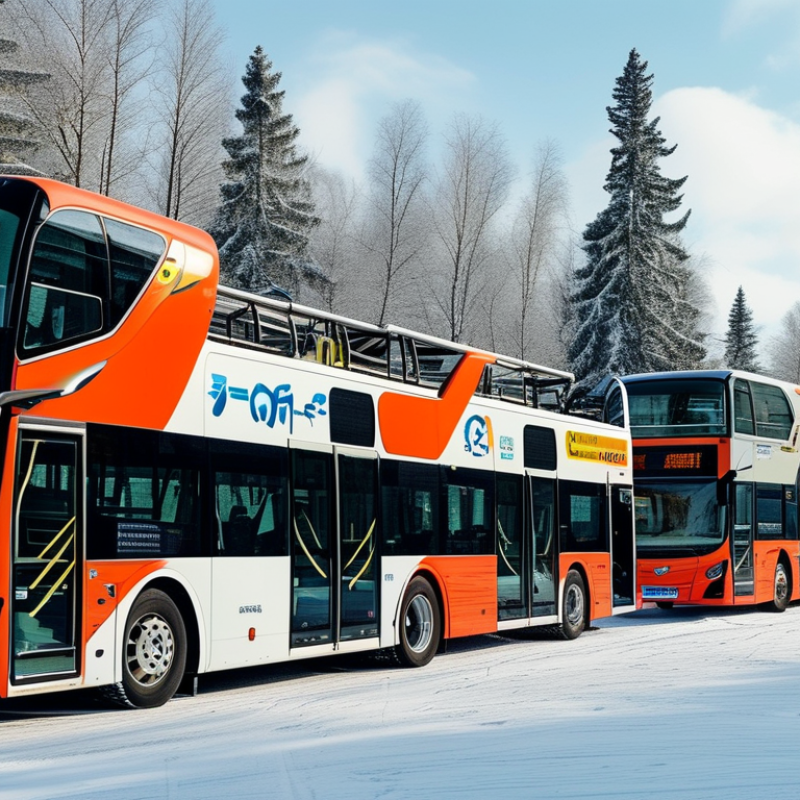
Electric bus heaters are vital for maximizing efficiency in public transportation. In cold climates, maintaining a comfortable temperature inside the bus is crucial. Efficient heating systems ensure passengers are warm, which enhances their overall travel experience. A well-regulated heating system can also reduce energy consumption, leading to cost savings.
However, selecting the right heater is not always straightforward. Factors like size, power output, and installation type all play a role. Many bus operators struggle with these decisions. They may overlook key specifications that directly influence performance. Each bus has unique heating requirements based on its design and intended use. Thus, understanding these nuances is fundamental.
Investing in an electric bus heater does not guarantee flawless operation. Regular maintenance is crucial to avoid performance issues. Neglecting this can lead to inefficient heating or even system failures. Operators should continuously evaluate their heating systems to ensure reliability. This reflection on efficiency can lead to better decision-making in the future.
When selecting electric bus heating solutions, there are several key factors to consider. Efficiency is paramount. Look for heaters that provide maximum warmth while consuming minimal energy. This helps reduce operational costs and enhances sustainability. Additionally, consider the size and layout of the bus. A well-fitted heater ensures that heat is evenly distributed throughout the cabin.
Safety is another critical aspect. Choose solutions that include fail-safes and overheat protection. A reliable heating system minimizes the risk of malfunctions. It's also vital to check compliance with safety standards. User reviews and expert recommendations can guide your decision.
Maintenance needs should not be overlooked. Some systems require more upkeep than others. Regular maintenance is essential for longevity but can increase costs. Lastly, assess the noise levels of the heating unit. A quieter system improves passenger comfort. Ultimately, your choice should reflect a balance between efficiency, safety, and practicality. Emphasizing these factors will lead to a more informed decision.
Choosing the right electric bus heater involves comparing various types and understanding their advantages and drawbacks. Electric resistance heaters deliver direct warmth efficiently, making them popular. They can heat a bus quickly but have high energy consumption, which can impact operating costs. According to a report by the International Energy Agency, electric heating can be up to 50% less efficient than hydronic systems in larger vehicles.
Hydronic heating systems circulate hot water through pipes to warm the bus. They tend to be more energy-efficient, particularly in larger fleets. Research from the American Public Transportation Association shows that hydronic systems can reduce energy costs by 25% over time. However, they require more maintenance and are generally heavier. This can affect the bus's overall efficiency.
Tip: Consider your fleet's size and operational needs before deciding. Evaluate initial installation costs versus long-term savings. Make sure to consult with professionals for tailored solutions. Explore innovative developments, such as integrated heating with waste heat recovery. These options can significantly enhance efficiency while being environmentally friendly. Always weigh the pros of energy savings against potential maintenance challenges.
When selecting electric bus heating systems, energy efficiency is vital. Many bus operators want solutions that minimize energy consumption. Estimating energy usage can help identify options that save money over time. A well-designed heater uses less power while still providing warmth. Consider setups that allow for precise temperature control. This feature can greatly enhance comfort without excess energy use.
Cost-effectiveness also plays a crucial role. Upfront costs are important, but long-term savings are key. An efficient heater reduces electricity bills and maintenance costs. Look for systems with robust warranties. These often reflect the manufacturer's confidence in their product. It's worth noting, though, that not all efficient systems perform well under different conditions. Evaluating user feedback and performance data can provide valuable insights. Hence, investing time in research can lead to better decisions.
When selecting electric bus heaters, installation should be carefully considered. It's not just about choosing the right heater. The placement within the bus affects heating efficiency. Ensure that the installation allows for even heat distribution. This avoids cold spots that can make passenger comfort difficult.
Regular maintenance is crucial. Schedule inspections at least twice a year. Check for any signs of wear and tear on connections and wiring. This proactive approach can prevent major issues. Additionally, clean the heater regularly to remove dust and debris. A clean heater operates more efficiently.
Pay attention to the power supply during installation. Overloading circuits can cause malfunctions. Ensure that all components meet safety standards. Lastly, regularly train staff on proper heater operation. Misuse can lead to problems that affect performance. Remember, even with the best plans, unexpected challenges can arise. Always have a backup plan for heating during emergencies.
| Feature | Importance | Recommended Solutions | Maintenance Tips |
|---|---|---|---|
| Heating Efficiency | High | Ceramic Heaters | Regularly check the heating elements for wear. |
| Energy Consumption | Moderate | Infrared Heaters | Optimize settings to reduce energy usage. |
| Installation Ease | High | Compact Electric Heaters | Follow manufacturer guidelines for setup. |
| Safety Features | Critical | Heaters with Overheat Protection | Test safety features periodically. |
| Durability | High | Stainless Steel Heaters | Inspect for corrosion and damage regularly. |
„Thanks to the LUVIR technology, the solder resist process could be switched directly from the previously used mask exposure to direct exposure. As an outstanding digital solution on the market, this technology has been able to demonstrate fast process times and superior quality on our certified conventional ink in production. This allowed us to fully digitize the solder mask process at low cost – without process or ink adjustments. An excellent benefit to our production in Rot am See.“
Ralf Göhringer (Head of Production WE Rot am See)
I would definitely recommend the Limata machine and team for a future company purchase
Michael Greenaway
Compunetics Inc.
“The Limata ldi has been amazing!! Best thing we did was buy this machine”
Richard Brady
GM
Circuitlabs
“Since 2019, we have been running the Limata X1000 LDI system (including LUVIR for solder mask imaging) in daily production as an addition to our current process with film. The machine was capable of properly exposing Taiyo PSR-4000 BN (DI) solder mask types on normal to high-copper boards using a new and unique direct imaging process. The machine operating interface is very user friendly which allowed for a quick technical training curve. The pre-registration processing reduced several seconds of production time at every print. Limata support and service staff is incomparable. They supported our team every step of the way at basically any time of the day or night, with literally, an immediate response time, customizing the software interface to best fit our Operations and needs.
We have exposed more than 8,000 prints since end of October, on various solder mask colors and some resist film panels. Limata, has proven to be very capable and innovative. They are a strong contender in the industry.
We have very much enjoyed this project, and working with the team!
Thank you Limata for the continued support and being a part of our growth.”
Bill Sezate
Vice President, GM
Summit Interconnect
As a replacement to our current contact exposure process with film, the LIMATA X2000 system including LUVIR-Technology was capable of properly exposing non-LDI solder mask types using a direct imaging process. The machine offers cutting edge software with a very intuitive operating interface which allowed for quick technician training curve. The dual drawer system combined with pre-registration processing reduced several seconds of production time at every machine cycle. Limata support and service staff is world class. They added software patches to keep production running at shortest possible response times, customized the software interface to best fit our in-house Operations system, and even wrote a step-by-step machine processing manual. As a result of the project, we have exposed more than 16,000 times on various product types and solder mask brands/colors. Limata, in a very short timeframe as a company, has definitely shown they are truly innovative and will be challenging the industry of direct imaging for the top spot.
Kevin Beattie
Process Engineer
TTM Technologies
Forest Grove Division
