Choosing the right Electric Cargo Vehicle (ECV) for your business is crucial. With the rise of sustainability and low-emission transport, ECVs have become popular. They provide a cleaner alternative to traditional delivery vehicles. This shift not only reduces your carbon footprint but also enhances your brand's image.
However, not all ECVs are created equal. Factors such as battery range, payload capacity, and charging infrastructure play significant roles in your decision. It's essential to assess your specific needs. What works for one business may not work for another. Consider the terrain you operate in and the distances you need to cover. A vehicle that excels in urban settings may struggle in rural areas.
Investing in an Electric Cargo Vehicle can be a daunting process. You might face challenges such as high upfront costs and limited models available. However, the long-term savings on fuel and maintenance can outweigh these initial concerns. Thorough research can guide your choice, ensuring reliability and efficiency for your delivery operations.
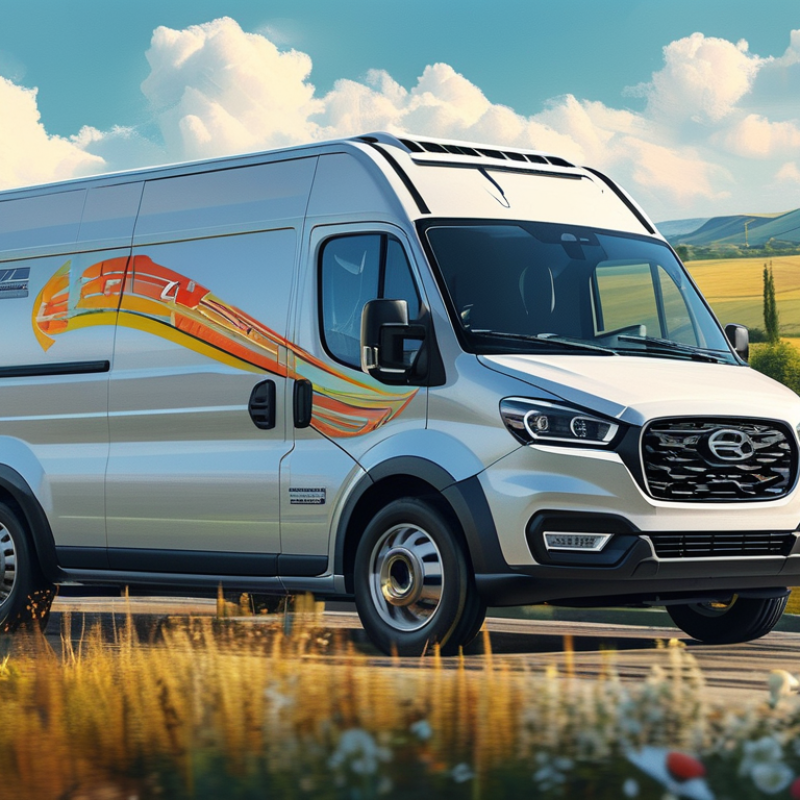
When selecting an electric cargo vehicle, it's essential to understand your specific business needs. Analyze how much cargo you regularly transport. Assess the weight of goods and the distance traveled daily. These factors will guide your decision significantly.
Tips: Start with a checklist. List your usual load types and transportation distances. This can help pinpoint the vehicle's capacity and range you require.
Consider your operational environment. Will you navigate city streets or rural roads? Different terrains require different vehicle specifications. Look into features such as battery life and charging options.
Tips: Evaluate charging infrastructure. Identify if your location can support electric vehicle chargers. This detail can influence your vehicle's availability and performance.
Reflect on maintenance and service requirements. Electric vehicles typically need less maintenance than traditional ones, but not all are equal. Research the reliability and potential service issues with models you're considering.
Tips: Speak to other business owners. Learn from their experiences with electric cargo vehicles. Their insights can be invaluable in avoiding common pitfalls.
When evaluating electric cargo vehicles, businesses should consider diverse options available in the market. Electric vans, trucks, and even small delivery vehicles serve various needs across industries. According to a recent industry report, electric delivery vans reduce operating costs by 40% compared to diesel counterparts. This cost efficiency attracts many businesses aiming to cut expenses and reduce their carbon footprint.
Additionally, payload capacity and range are crucial factors. Many electric trucks can manage payloads of over 1,000 kg while achieving ranges of approximately 300 kilometers on a single charge. However, many models struggle to maintain performance in extreme weather conditions, which can be a concern for delivery schedules. A lack of charging infrastructure in certain regions can pose limitations as well.
Fleet managers must also assess the available technology within these vehicles. Advanced telematics and connectivity features allow real-time data tracking and more efficient route planning. Yet, some users report steep learning curves when adopting new software systems. Successfully integrating electric cargo vehicles into an existing fleet requires both time and training for employees. Evaluating all these factors is essential to making an informed decision when selecting the right vehicle for your business.
When selecting an electric cargo vehicle, key specifications play a crucial role. Pay attention to battery range, payload capacity, and charging options. For example, a study by the International Council on Clean Transportation found that businesses can save up to 50% on fuel costs with electric vehicles.
Battery range should meet your daily needs. Many electric cargo vehicles offer ranges between 100 to 250 miles. Assess your delivery routes carefully. A vehicle that can't complete a route will lead to operational inefficiencies.
Consider payload capacity carefully. Different models support varying weights. Ensure your choice aligns with your typical load. Too much weight can reduce efficiency and lead to excess wear.
Tips: Look into maintenance schedules. Electric vehicles usually require less upkeep than traditional ones. Track performance metrics to ensure you are getting the most value. Finally, research available incentives to offset initial investment.
When assessing the total cost of ownership (TCO) for electric cargo vehicles, businesses need to consider several key factors. An electric vehicle (EV) can reduce fuel costs significantly. A study by the International Council on Clean Transportation found that operating an electric vehicle can save around $0.17 per mile compared to gasoline vehicles. However, this advantage can fluctuate based on electricity prices and local tax incentives.
Maintenance is another crucial component. Electric vehicles generally have fewer moving parts, which can lead to lower maintenance costs. According to data from the U.S. Department of Energy, EVs typically incur about 40% lower maintenance expenses over their lifespan. Despite these savings, businesses must be aware of the variability in battery replacement costs. For instance, battery failure can lead to high replacement expenses, potentially undermining long-term savings.
Charging infrastructure is also a factor to consider. Initial investments in charging stations can be substantial. Many companies overlook the costs of installing and maintaining these stations. A report from BloombergNEF suggests that businesses that don’t plan ahead may face higher costs when expanding their EV fleets. Understanding these components is key to making informed decisions about integrating electric cargo vehicles into operations.
When selecting electric cargo vehicles for your fleet, charging infrastructure is crucial. Many businesses underestimate the importance of charging stations. These stations must be accessible and efficient. Installing chargers at your facility can streamline operations. Consider the power output as it affects charging speed. A faster charge means more time on the road.
Maintenance for electric vehicles also requires careful consideration. Regular servicing is vital to keep your fleet in top shape. Training staff on basic maintenance can prevent costly repairs later. Some fleets find it difficult to source qualified technicians. Relying on external services may impact availability. Establishing a good relationship with local service providers can help ease this burden.
Reflecting on feedback from users shows that some still face range anxiety. A well-planned charging strategy can mitigate this fear. Businesses need to remain adaptable. As technology evolves, so do charging options. Staying informed helps companies make better decisions. Exploration of new technologies can lead to innovative solutions.
„Thanks to the LUVIR technology, the solder resist process could be switched directly from the previously used mask exposure to direct exposure. As an outstanding digital solution on the market, this technology has been able to demonstrate fast process times and superior quality on our certified conventional ink in production. This allowed us to fully digitize the solder mask process at low cost – without process or ink adjustments. An excellent benefit to our production in Rot am See.“
Ralf Göhringer (Head of Production WE Rot am See)
I would definitely recommend the Limata machine and team for a future company purchase
Michael Greenaway
Compunetics Inc.
“The Limata ldi has been amazing!! Best thing we did was buy this machine”
Richard Brady
GM
Circuitlabs
“Since 2019, we have been running the Limata X1000 LDI system (including LUVIR for solder mask imaging) in daily production as an addition to our current process with film. The machine was capable of properly exposing Taiyo PSR-4000 BN (DI) solder mask types on normal to high-copper boards using a new and unique direct imaging process. The machine operating interface is very user friendly which allowed for a quick technical training curve. The pre-registration processing reduced several seconds of production time at every print. Limata support and service staff is incomparable. They supported our team every step of the way at basically any time of the day or night, with literally, an immediate response time, customizing the software interface to best fit our Operations and needs.
We have exposed more than 8,000 prints since end of October, on various solder mask colors and some resist film panels. Limata, has proven to be very capable and innovative. They are a strong contender in the industry.
We have very much enjoyed this project, and working with the team!
Thank you Limata for the continued support and being a part of our growth.”
Bill Sezate
Vice President, GM
Summit Interconnect
As a replacement to our current contact exposure process with film, the LIMATA X2000 system including LUVIR-Technology was capable of properly exposing non-LDI solder mask types using a direct imaging process. The machine offers cutting edge software with a very intuitive operating interface which allowed for quick technician training curve. The dual drawer system combined with pre-registration processing reduced several seconds of production time at every machine cycle. Limata support and service staff is world class. They added software patches to keep production running at shortest possible response times, customized the software interface to best fit our in-house Operations system, and even wrote a step-by-step machine processing manual. As a result of the project, we have exposed more than 16,000 times on various product types and solder mask brands/colors. Limata, in a very short timeframe as a company, has definitely shown they are truly innovative and will be challenging the industry of direct imaging for the top spot.
Kevin Beattie
Process Engineer
TTM Technologies
Forest Grove Division
