In an ever-evolving world, safety is paramount. When considering building materials, "Fire Resistance Glass" emerges as a crucial element. It serves both aesthetic and protective purposes. Ensuring the right choice can significantly impact safety in case of emergencies.
Selecting the best fire-resistant glass requires understanding various factors. It's not just about the type; thickness and clarity also matter. Many options exist, each with unique properties. Some may suit specific needs better than others.
Not every solution is perfect. Some fire-resistant glasses may compromise visibility or create an undesirable ambiance. Reflecting on these trade-offs can guide better choices. Balancing safety and design can be a challenge. Knowledgeable decisions can set a foundation for lasting security and comfort.
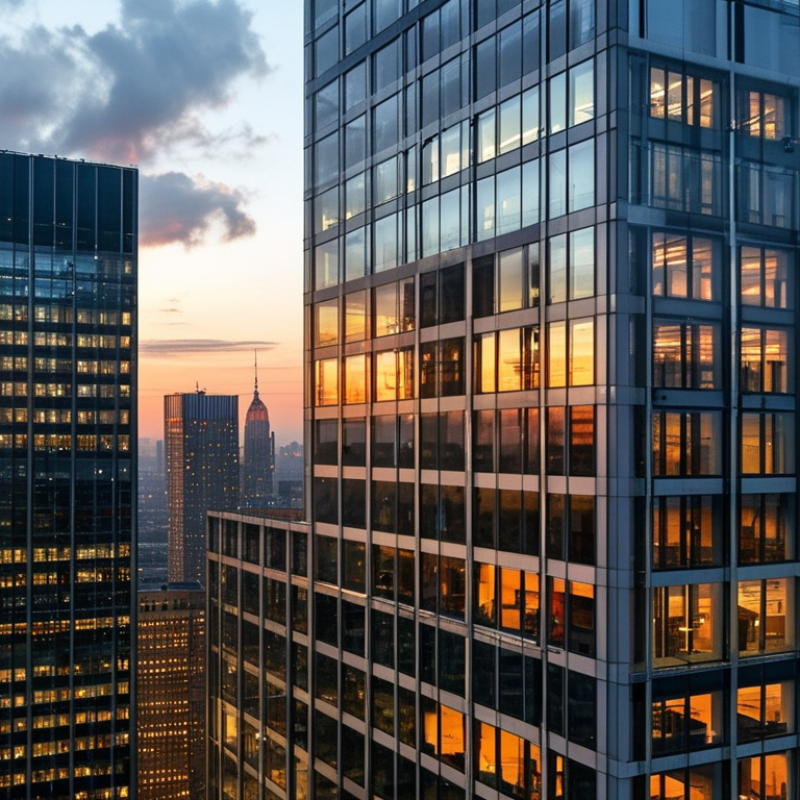
Fire resistance glass is critical in modern architecture. It plays a vital role in enhancing a building's safety. In recent studies, fire resistance glass can withstand high temperatures up to 1250°F. This capability slows down the spread of fire and smoke, providing crucial time for occupants to escape.
Understanding the importance of fire resistance glass is essential for any construction project. According to the National Fire Protection Association (NFPA), about 50% of fire fatalities occur in residential buildings. Using fire-rated glass can significantly reduce this risk. The glass acts as a barrier, protecting both lives and property from fire damage.
While fire resistance glass is available in various types, it is crucial to choose the right one for specific needs. Not all glass is created equal. Some options may offer limited protection. Factors like thickness, type of framing, and installation method must be carefully considered. Failure to do so could lead to inadequate protection. Investing time in research aids in making an informed decision.
| Type of Fire Resistance Glass | Fire Rating | Applications | Thermal Performance | Cost Range (per sq. ft.) |
|---|---|---|---|---|
| Wired Glass | 1 Hour | Internal Partitions | Low | $10 - $15 |
| Tempered Glass | 30 Minutes | Windows and Doors | Moderate | $20 - $30 |
| Ceramic Glass | 2 Hours | Fireplace Screens | High | $30 - $45 |
| Laminated Glass | 45 Minutes | Commercial Buildings | Moderate | $25 - $35 |
| Fire-Resistant Glazing | 3 Hours | Fire Exits | Very High | $50 - $80 |
When selecting fire-resistant glass, it's vital to understand the different types available. Each type serves distinct purposes and offers varying levels of protection. For instance, tempered glass withstands heat better than standard glass. This feature makes it a popular choice for areas prone to high temperatures. However, it might not provide adequate insulation during a fire.
Another option is laminated fire-resistant glass. This type consists of two or more layers of glass with an interlayer that helps prevent heat transfer. It's suitable for structures that require higher safety standards. Yet, it can be heavier and more expensive than other types.
In some cases, clear intumescent glass may be the right choice. It remains transparent during normal conditions, but expands under heat. This provides excellent fire barriers while allowing light to flow through. Each type has its pros and cons. Understanding these will guide you in making an informed decision based on your specific needs.
This bar chart illustrates the fire resistance ratings of various types of fire resistance glass. Choosing the right type based on its rating can greatly enhance safety features in any building design.
When selecting fire resistance glass, several key factors come into play. Understanding the fire rating is essential. Different types of fire resistance glass have varying ratings, such as 30 minutes to 180 minutes. For instance, reports suggest that tempered glass typically withstands heat for about 30 minutes, whereas laminated options might offer longer protection. Assessing the required rating for your specific application is crucial.
The location and purpose of the glass also matter. For commercial buildings, where safety is paramount, choosing glass that adheres to fire safety standards is necessary. The National Fire Protection Association (NFPA) provides guidelines on the appropriate glass types for different structural elements. Ensure the glass you choose meets these guidelines for effective fire safety.
Tip: Always consult a fire safety expert. Their input can help you navigate complex regulations and standards. Check for certifications provided by reputable organizations to ensure reliability and safety.
Additionally, consider aesthetics and clarity. Some fire-resistant glass might distort views due to coatings. Balancing appearance with safety requirements can be a challenge. It's vital to evaluate both aspects carefully. Make sure to ask for samples and test how they fit into your design while meeting safety guidelines.
When selecting fire-resistant glass, understanding performance ratings and certifications is crucial. Fire-resistance ratings indicate how long the glass can withstand flames and heat. Typically, these ratings range from 20 minutes to 3 hours. A report from the National Fire Protection Association highlights that glass with a higher rating contributes significantly to overall building safety.
Certifications from recognized organizations enhance the reliability of fire glass. The Underwriters Laboratories (UL) certification is among the most reputable. UL tests materials under strict standards to ensure they meet safety codes. It’s important to check the certification details before making a decision.
While certifications provide some assurance, it is vital to ensure they are relevant to the specific application. Some fire-resistant glasses may not live up to expectations. Not all products are equal; mislabeling can occur. Some products might only provide the basic fire-resistance without additional safety features.
It’s essential to research thoroughly and consult professionals. Users should also consider the installation environment. Each setting has unique challenges that can affect glass performance.
When installing fire resistance glass, consider the location. Different settings may require specific types of glass and installation techniques. Standard practices help ensure proper fitting. For example, follow manufacturer recommendations for thickness and framing materials. This can impact both safety and performance. Proper alignment is crucial. Uneven surfaces can lead to vulnerabilities.
Maintenance plays a vital role after installation. Regular checks are essential. Inspect for cracks or damages that could affect fire ratings. Clean the glass with non-abrasive solutions. Harsh chemicals can degrade the fire-resistant properties. Look for build-up that might hinder visibility. Ensure seals remain intact to avoid air leaks.
Even with the best products, imperfections can arise. User error during installation is common. Misjudgments can lead to gaps. It’s important to ask for professional help if uncertain. Reflect on previous work done. Continuous learning from past installations can improve future projects. Focus on reliability and effectiveness in every step.
„Thanks to the LUVIR technology, the solder resist process could be switched directly from the previously used mask exposure to direct exposure. As an outstanding digital solution on the market, this technology has been able to demonstrate fast process times and superior quality on our certified conventional ink in production. This allowed us to fully digitize the solder mask process at low cost – without process or ink adjustments. An excellent benefit to our production in Rot am See.“
Ralf Göhringer (Head of Production WE Rot am See)
I would definitely recommend the Limata machine and team for a future company purchase
Michael Greenaway
Compunetics Inc.
“The Limata ldi has been amazing!! Best thing we did was buy this machine”
Richard Brady
GM
Circuitlabs
“Since 2019, we have been running the Limata X1000 LDI system (including LUVIR for solder mask imaging) in daily production as an addition to our current process with film. The machine was capable of properly exposing Taiyo PSR-4000 BN (DI) solder mask types on normal to high-copper boards using a new and unique direct imaging process. The machine operating interface is very user friendly which allowed for a quick technical training curve. The pre-registration processing reduced several seconds of production time at every print. Limata support and service staff is incomparable. They supported our team every step of the way at basically any time of the day or night, with literally, an immediate response time, customizing the software interface to best fit our Operations and needs.
We have exposed more than 8,000 prints since end of October, on various solder mask colors and some resist film panels. Limata, has proven to be very capable and innovative. They are a strong contender in the industry.
We have very much enjoyed this project, and working with the team!
Thank you Limata for the continued support and being a part of our growth.”
Bill Sezate
Vice President, GM
Summit Interconnect
As a replacement to our current contact exposure process with film, the LIMATA X2000 system including LUVIR-Technology was capable of properly exposing non-LDI solder mask types using a direct imaging process. The machine offers cutting edge software with a very intuitive operating interface which allowed for quick technician training curve. The dual drawer system combined with pre-registration processing reduced several seconds of production time at every machine cycle. Limata support and service staff is world class. They added software patches to keep production running at shortest possible response times, customized the software interface to best fit our in-house Operations system, and even wrote a step-by-step machine processing manual. As a result of the project, we have exposed more than 16,000 times on various product types and solder mask brands/colors. Limata, in a very short timeframe as a company, has definitely shown they are truly innovative and will be challenging the industry of direct imaging for the top spot.
Kevin Beattie
Process Engineer
TTM Technologies
Forest Grove Division
