Choosing the right Fuel Generator in 2026 is crucial for both home and commercial needs. As energy demands rise, so does the complexity of generator options. According to a recent industry report by Energy Insights, the demand for fuel generators is projected to grow by 15% annually from 2024 to 2026. This growth emphasizes the need for informed choices, reflecting diverse consumer requirements and preferences.
Expert James Anderson, a recognized authority in the field, notes, "Selecting a Fuel Generator involves understanding not just your power needs but also operational efficiency." His advice shifts the focus toward reliability and sustainability, traits essential for today’s energy solutions. Fuel generators now feature advanced technologies, allowing for quieter operation and greater fuel efficiency. Yet, with these advancements come added complexities.
Consumers must evaluate key factors like fuel type, capacity, and intended use. Many overlook maintenance needs, which can drastically affect performance. Without proper care, even the best generators can fail when needed most. This highlights a common concern: balancing reliability with affordability. A wise choice in a Fuel Generator today impacts efficiency and cost in the long run.
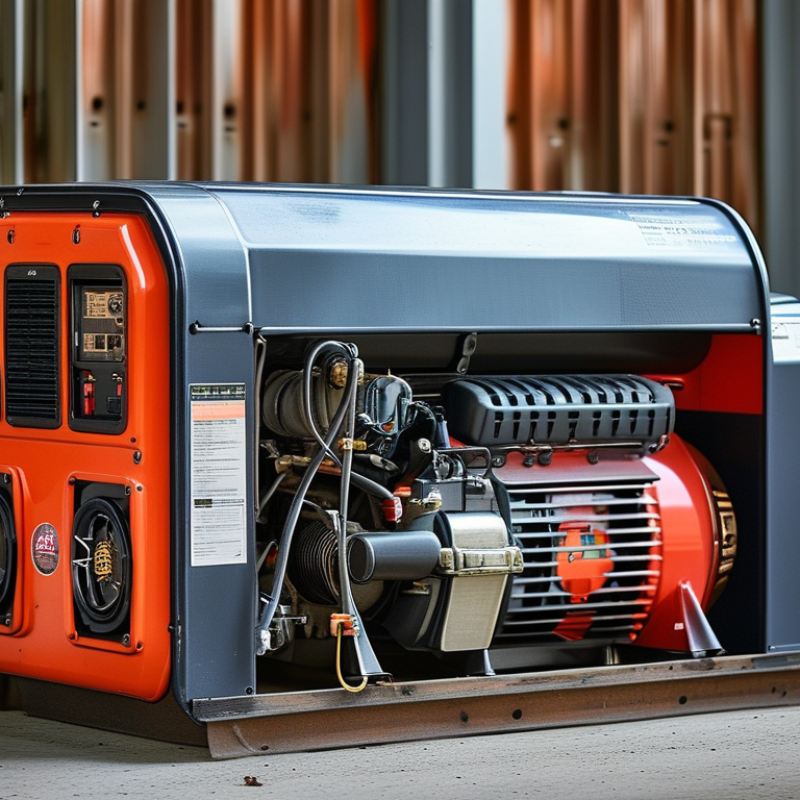
When choosing a fuel generator, understanding your power needs is crucial. Start by assessing the devices you plan to use. Calculate the total wattage by listing the appliances and their power ratings. This will help you determine the minimum generator size you need. Consider starting watts versus running watts. Appliances like refrigerators or air conditioners often require more power to start.
Think about your usage patterns. Do you need continuous power for several hours, or is a backup during outages sufficient? Analyzing your typical energy consumption can guide your choice. Also, consider how often you may need to run the generator. High-quality generators might offer better efficiency and longevity, but they may have a higher upfront cost.
Keep in mind that some people underestimate their load requirements. It’s common to forget about smaller devices like chargers or lights. Overloading a generator can lead to performance issues or damage. Reflect on any potential future power needs too. If you plan to expand your energy usage, a slightly larger generator could save you from another purchase soon. Make informed choices to ensure a reliable power supply for your needs.
| Power Requirement (Watts) | Generator Type | Run Time (Hours) | Fuel Type | Noise Level (dB) |
|---|---|---|---|---|
| 2000 | Portable | 10 | Gasoline | 60 |
| 4000 | Inverter | 12 | Propane | 55 |
| 6000 | Standby | 24 | Diesel | 70 |
| 8000 | Commercial | 18 | Biodiesel | 75 |
| 10000 | Hybrid | 20 | Electric | 68 |
When selecting a fuel generator, various types might suit your needs. Gasoline generators are popular due to their affordability and availability. They are easy to start, making them a good choice for casual users. However, they require more frequent maintenance and can be noisy. For longer usage, propane generators provide cleaner emissions and longer shelf life for fuel. They typically operate quieter than gasoline units, which can be an essential factor for residential areas.
Diesel generators are known for their durability and efficiency. They often have a longer lifespan and can be more economical over time, especially for heavy-duty use. However, they are generally heavier and bulkier, which may limit portability. Solar generators are an eco-friendly option. They rely on sunlight, reducing your carbon footprint. Yet, their performance can fluctuate due to weather conditions, impacting reliability during emergencies.
It's crucial to evaluate the specific use case for your generator. Think about your energy needs and the operating environment. You might find that your choice affects your overall experience. Reflect on what features matter most to you. Is noise level important? What about fuel availability? Understanding these factors can lead to a well-informed decision.
When choosing a fuel generator in 2026, three key features will greatly impact your decision: performance, portability, and durability. Performance is crucial. Look for generators that can handle your specific power needs. Assess the wattage requirements of your devices and ensure the generator can support them. It’s wise to account for potential surges in power, which can occur when starting larger appliances. A generator that meets these demands will save you from frustrating downtime.
Portability matters, especially if you plan to move your generator between locations. Consider the weight and size of the unit. It should be easy to transport but still powerful enough to serve your needs. Some models come with wheels or handles, making them easier to move around. Take into account where you will use the generator. If you need it for outdoor events, a compact and lightweight option is preferable.
Durability is often overlooked but essential for long-term use. Check the materials used in the generator’s construction. Generators made with high-quality components tend to last longer, even in challenging conditions. Regular maintenance is necessary for longevity. Evaluate user reviews or expert assessments about the construction quality. Sometimes, users find their generators failing sooner than expected, which highlights the importance of quality checks before purchase.
When budgeting for a fuel generator, consider both initial costs and long-term value. The price of a generator can vary widely. Cheaper units may seem appealing but often lack durability. Investing in a reliable generator saves money in repairs and replacements.
Assess your power needs in terms of wattage. Calculate how much you’ll use it and under what conditions. Running a generator for extended periods can drastically increase fuel costs. A model with better fuel efficiency may cost more upfront but can reduce expenses over time.
Maintenance is another critical factor. Some generators require regular servicing, while others have low-maintenance designs. Consider the cost of parts and service. It adds up quickly. Many buyers overlook these ongoing costs, focusing solely on the purchase price. A slight increase in maintenance can affect long-term financial outcomes. Make sure your choice aligns with your overall budget goals.
When selecting a fuel generator, maintenance and support are paramount. A generator is an investment, and it needs to perform reliably. Regular upkeep is crucial to extend its lifespan. Check the manufacturer’s guidelines for routine maintenance. Schedule inspections at least once a year. Look for a provider that offers comprehensive service plans. This can include everything from basic check-ups to more extensive repairs.
After purchase, understanding support options becomes essential. Consider if the company provides easy access to customer service. Availability matters when you face issues. A reliable support system can make all the difference during emergencies. Long wait times for repairs can be frustrating. Technology is evolving, but human support remains a cornerstone. Ensure the company you choose has trained personnel available.
Maintaining your generator requires attention. Document any repairs or maintenance work performed. Not every day will be smooth sailing. You may encounter unexpected challenges. It’s wise to stay informed about common issues with your generator type. Engaging with user reviews and online forums can shed light on potential problems. This proactive approach can save time and money in the long run.
„Thanks to the LUVIR technology, the solder resist process could be switched directly from the previously used mask exposure to direct exposure. As an outstanding digital solution on the market, this technology has been able to demonstrate fast process times and superior quality on our certified conventional ink in production. This allowed us to fully digitize the solder mask process at low cost – without process or ink adjustments. An excellent benefit to our production in Rot am See.“
Ralf Göhringer (Head of Production WE Rot am See)
I would definitely recommend the Limata machine and team for a future company purchase
Michael Greenaway
Compunetics Inc.
“The Limata ldi has been amazing!! Best thing we did was buy this machine”
Richard Brady
GM
Circuitlabs
“Since 2019, we have been running the Limata X1000 LDI system (including LUVIR for solder mask imaging) in daily production as an addition to our current process with film. The machine was capable of properly exposing Taiyo PSR-4000 BN (DI) solder mask types on normal to high-copper boards using a new and unique direct imaging process. The machine operating interface is very user friendly which allowed for a quick technical training curve. The pre-registration processing reduced several seconds of production time at every print. Limata support and service staff is incomparable. They supported our team every step of the way at basically any time of the day or night, with literally, an immediate response time, customizing the software interface to best fit our Operations and needs.
We have exposed more than 8,000 prints since end of October, on various solder mask colors and some resist film panels. Limata, has proven to be very capable and innovative. They are a strong contender in the industry.
We have very much enjoyed this project, and working with the team!
Thank you Limata for the continued support and being a part of our growth.”
Bill Sezate
Vice President, GM
Summit Interconnect
As a replacement to our current contact exposure process with film, the LIMATA X2000 system including LUVIR-Technology was capable of properly exposing non-LDI solder mask types using a direct imaging process. The machine offers cutting edge software with a very intuitive operating interface which allowed for quick technician training curve. The dual drawer system combined with pre-registration processing reduced several seconds of production time at every machine cycle. Limata support and service staff is world class. They added software patches to keep production running at shortest possible response times, customized the software interface to best fit our in-house Operations system, and even wrote a step-by-step machine processing manual. As a result of the project, we have exposed more than 16,000 times on various product types and solder mask brands/colors. Limata, in a very short timeframe as a company, has definitely shown they are truly innovative and will be challenging the industry of direct imaging for the top spot.
Kevin Beattie
Process Engineer
TTM Technologies
Forest Grove Division
