Choosing the right Gas Humidity Monitor is crucial for various industries, including agriculture, pharmaceuticals, and manufacturing. These devices measure humidity levels in controlled environments, ensuring optimal conditions for product quality and safety. According to a report from the International Society for Automation, maintaining proper humidity can enhance productivity by up to 30% in some sectors.
Consumers often face challenges in selecting a Gas Humidity Monitor due to varying features and specifications. Not all monitors provide accurate readings, and some may have a slower response time. A 2022 study in the Journal of Indoor Air Quality highlighted that even a 5% fluctuation in humidity could affect delicate processes. Thus, understanding what to look for in a monitor is essential.
Many users may overlook calibration and maintenance. Regular checks ensure precision and reliability. A reliable Gas Humidity Monitor not only tracks humidity but also supports long-term data analysis. This information can be vital in preventing costly errors, making the choice of monitor a significant investment for your needs.
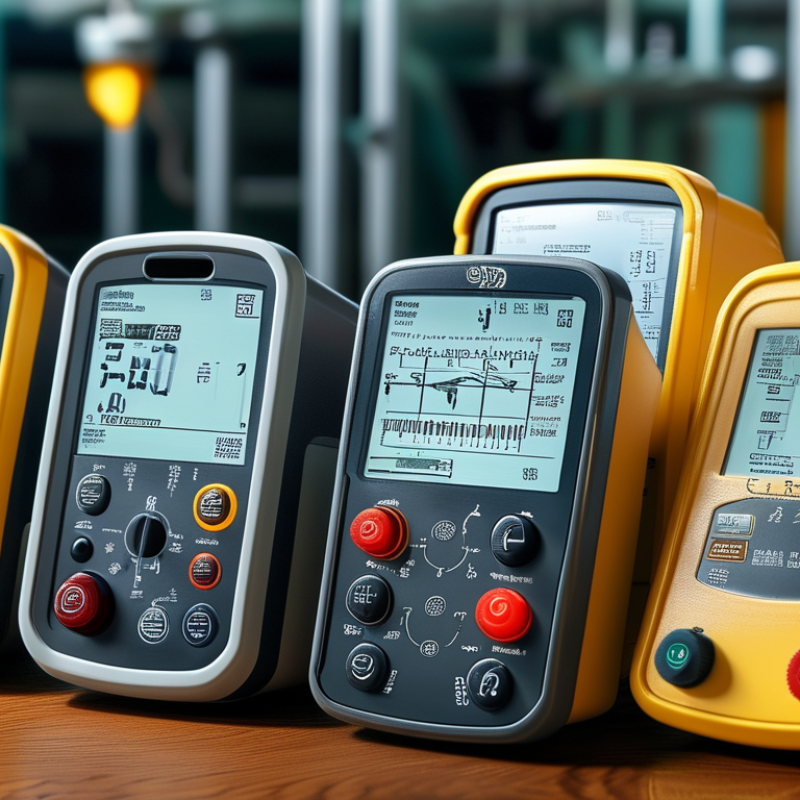
When selecting a gas humidity monitor, understanding the types and features is essential. These monitors measure humidity levels in gas environments, which can greatly affect equipment performance. According to industry reports, poor humidity control can lead to a 10% increase in energy costs. This highlights the need for accurate monitoring.
There are two main types of gas humidity monitors: capacitive and resistive. Capacitive sensors are often more sensitive. They can measure lower humidity levels accurately. Conversely, resistive models are durable but may lag in precision. Each type has its advantages, depending on the specific application. Users should consider factors like measurement range and response time. A fast response is crucial in dynamic environments.
Additionally, features such as data logging and connectivity options are important. Data logging allows users to track historical humidity levels. Some models offer smartphone connectivity for easy access. However, more features can complicate usability. Finding a balance between functionality and ease of use is key. While advanced features enhance monitoring, they can also introduce potential user errors. Users must weigh these factors carefully when choosing the right monitor for their needs.
Choosing the right gas humidity monitor involves several important factors. Accuracy is crucial. A reliable monitor should provide precise readings. Consider the sensor type. Capacitive sensors are generally more accurate than resistive ones. Check the range of humidity levels the device can detect. If you operate in extreme conditions, ensure the monitor can handle those levels.
Ease of use is another vital factor. A user-friendly interface simplifies your experience. Look for a monitor with a clear display and intuitive controls. Additionally, consider calibration requirements. Some models need frequent recalibration for consistent accuracy. This maintenance aspect may be time-consuming but is worth the effort.
Portability matters too. If you plan to use the monitor in various locations, a lightweight design is beneficial. Battery life is essential for on-the-go measurements. Investing time in comparing different models can feel overwhelming. Sometimes, the perfect choice isn't obvious at first. Reflect on your specific needs before making a purchase. Consider the environment in which the monitor will be used. That can greatly affect your choice.
| Feature | Description | Importance Level |
|---|---|---|
| Accuracy | Indicates how closely the monitor’s readings match the true humidity levels. | High |
| Range | The humidity range that the monitor can measure effectively. | Medium |
| Response Time | How quickly the monitor can detect changes in humidity levels. | High |
| Data Logging | Capability to store historical data for analysis. | Medium |
| Portability | Ease of carrying the monitor for various tasks. | Medium |
| User Interface | How easy and intuitive the monitor is to operate. | High |
| Power Source | Type of power required, e.g., battery or AC power. | Medium |
| Price | Cost of the monitor and ensuring it fits within budget. | High |
When selecting a humidity monitor, accuracy and calibration are critical. These factors directly influence the device's reliability. A device that offers precise readings can help prevent issues related to humidity levels, such as mold growth or equipment damage. The specifications provided by the manufacturer often include accuracy levels. For reliable devices, aiming for an accuracy of ±2% relative humidity is a good benchmark.
Calibration is another essential aspect. Many devices require regular calibration to ensure they can provide accurate readings. Observing signs of drift in measurements can indicate the need for recalibration. You might notice fluctuations in readings that could affect decision-making. Checking the calibration frequency recommended by the manufacturer is beneficial.
Another consideration is the environment where the monitor will be used. Harsh conditions can impact the monitor's performance. Humidity monitors designed for specific environments may perform better and last longer. Take time to read reviews and user experiences. Feedback often reveals common issues that aren’t found in the product specifications. Balancing feature set with personal needs is essential when making a choice.
When selecting a gas humidity monitor, price is a critical factor. Budget monitors can be quite appealing. These devices are generally affordable and cater to individuals who need basic humidity readings. However, they often lack advanced features and precision. Many lower-priced models are not durable. The accuracy may fluctuate, leading to inconsistent readings over time.
On the other hand, professional-grade monitors come with enhanced reliability. They are built with high-quality materials designed for accuracy and longevity. Users generally appreciate the detailed data they provide. Yet, the higher price tag may deter budget-conscious buyers. It’s vital to weigh whether the investment justifies the benefits for specific needs.
It might be tempting to opt for budget options. However, consider your environment and the stakes involved. If precise humidity levels are crucial for your work, the added cost of a professional monitor may be worth it. Remember, cutting corners now could lead to higher costs later due to errors. The choice between budget and professional models requires introspection on needs and future implications.
Gas humidity monitors are essential for various applications, ensuring optimal performance and safety. However, even the best devices can experience issues that require attention. Regular maintenance is crucial. According to experts, neglecting upkeep can lead to accuracy loss of over 30% in readings. This emphasizes the need for consistent checks.
When your monitor displays erratic readings, troubleshoot the device. Begin by cleaning the sensor with a soft cloth, as dust can heavily impact functionality. A 2021 study indicated that 25% of monitoring errors stemmed from improper sensor care. Additionally, verify the calibration. Uncalibrated devices can yield misleading data, heightening risks in sensitive environments.
If problems persist, consider environmental factors. High temperatures and pollutants can interfere with humidity readings. As per industry data, monitors exposed to extreme conditions often require correction within a month. Staying proactive in maintenance not only extends the monitor’s life but enhances reliability. Balancing these practices leads to improved performance and trust in your measurements.
„Thanks to the LUVIR technology, the solder resist process could be switched directly from the previously used mask exposure to direct exposure. As an outstanding digital solution on the market, this technology has been able to demonstrate fast process times and superior quality on our certified conventional ink in production. This allowed us to fully digitize the solder mask process at low cost – without process or ink adjustments. An excellent benefit to our production in Rot am See.“
Ralf Göhringer (Head of Production WE Rot am See)
I would definitely recommend the Limata machine and team for a future company purchase
Michael Greenaway
Compunetics Inc.
“The Limata ldi has been amazing!! Best thing we did was buy this machine”
Richard Brady
GM
Circuitlabs
“Since 2019, we have been running the Limata X1000 LDI system (including LUVIR for solder mask imaging) in daily production as an addition to our current process with film. The machine was capable of properly exposing Taiyo PSR-4000 BN (DI) solder mask types on normal to high-copper boards using a new and unique direct imaging process. The machine operating interface is very user friendly which allowed for a quick technical training curve. The pre-registration processing reduced several seconds of production time at every print. Limata support and service staff is incomparable. They supported our team every step of the way at basically any time of the day or night, with literally, an immediate response time, customizing the software interface to best fit our Operations and needs.
We have exposed more than 8,000 prints since end of October, on various solder mask colors and some resist film panels. Limata, has proven to be very capable and innovative. They are a strong contender in the industry.
We have very much enjoyed this project, and working with the team!
Thank you Limata for the continued support and being a part of our growth.”
Bill Sezate
Vice President, GM
Summit Interconnect
As a replacement to our current contact exposure process with film, the LIMATA X2000 system including LUVIR-Technology was capable of properly exposing non-LDI solder mask types using a direct imaging process. The machine offers cutting edge software with a very intuitive operating interface which allowed for quick technician training curve. The dual drawer system combined with pre-registration processing reduced several seconds of production time at every machine cycle. Limata support and service staff is world class. They added software patches to keep production running at shortest possible response times, customized the software interface to best fit our in-house Operations system, and even wrote a step-by-step machine processing manual. As a result of the project, we have exposed more than 16,000 times on various product types and solder mask brands/colors. Limata, in a very short timeframe as a company, has definitely shown they are truly innovative and will be challenging the industry of direct imaging for the top spot.
Kevin Beattie
Process Engineer
TTM Technologies
Forest Grove Division
