Choosing the right Handheld Rfid Scanner for your business is crucial. It can enhance efficiency and improve inventory management. However, with numerous options available, the decision can be overwhelming.
A Handheld RFID Scanner should align with your specific needs. Consider factors like scanning speed, battery life, and data storage. Think about your operational environment. Some scanners work better in warehouses, while others excel in retail settings. Evaluating these details can be tricky.
Reviewing customer feedback is essential. It offers real-world insights into performance. A scanner may seem perfect on paper but might fall short in practical use. Balancing technical specifications with actual experiences can guide your choice. A well-informed decision can prevent costly mistakes down the road.
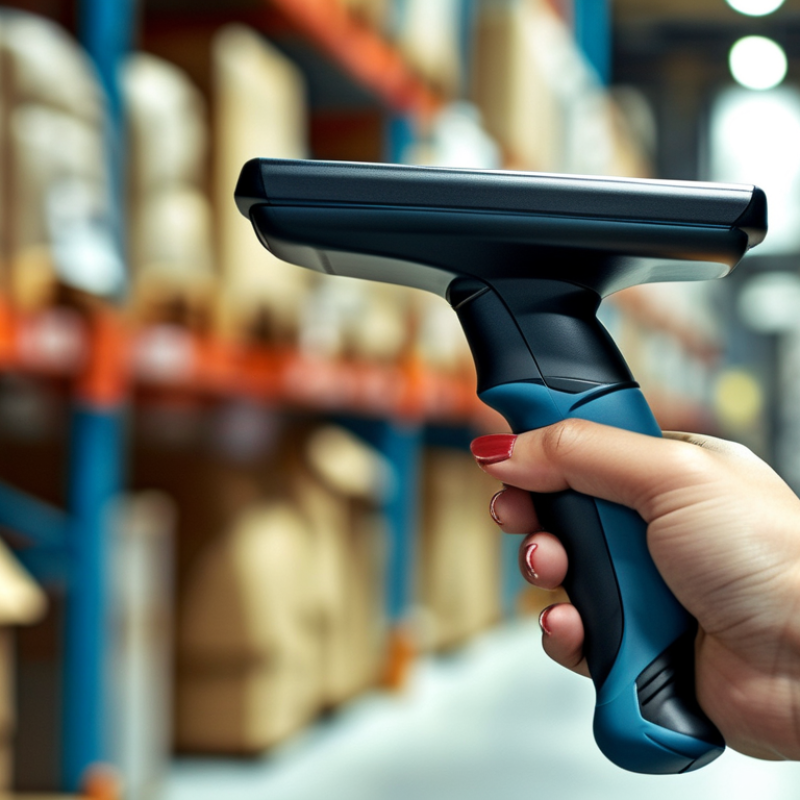
When selecting a handheld RFID scanner for business, several critical factors come into play. The scanning range is essential. A device with a wider range can capture tags from a distance, improving efficiency. Consider the operating environment too. If the scanner will be used in harsh conditions, durability becomes vital. Look for features like rugged designs and weather resistance to ensure it withstands daily wear and tear.
Battery life is another critical aspect. A device that frequently needs recharging can disrupt workflow. Aim for a scanner that allows for extended use without frequent downtime. Additionally, the user interface matters. A simple, intuitive design can save time during training. If employees struggle to operate the scanner, it will hinder productivity. Testing the device before purchasing can provide valuable insights. Engaging your team in the selection process may reveal different needs and preferences, ultimately leading to a better choice.
When choosing a handheld RFID scanner, consider the read range, speed, and battery life. These features heavily influence the efficiency of your operations. A scanner with an optimal read range ensures you can capture data quickly without being too close to the tagged items. Some models can read tags from several feet away, which is often beneficial in busy warehouses.
Speed is equally crucial. Scanners that can process information faster reduce wait times. Look for devices that can handle multiple reads in a short timeframe. This is especially important during peak business hours when time management is essential. However, remember that speeding through scans can occasionally lead to errors, so maintaining a balance is vital.
Battery life affects operational time. A reliable scanner should last throughout your business day's demands without frequent recharging. Some devices offer power-saving modes, which extend battery life. However, it's essential to test scan rates against battery performance. You want a scanner that works efficiently, but remember that real-world scenarios can differ from specifications. Always evaluate in your business context.
When selecting a handheld RFID scanner, compatibility is crucial. Your new scanner must seamlessly integrate with existing systems. If it doesn’t, it can create more problems than solutions. Poor integration can lead to data inaccuracies and workflow disruptions.
Many businesses overlook the importance of software compatibility. Ensure the RFID scanner operates with your current inventory management or point-of-sale systems. Choosing an incompatible device can result in a steep learning curve and additional training costs for your staff.
Here are some tips for maintaining compatibility: 1. Check your current software specifications. 2. Ask vendors about integration features. 3. Evaluate whether the scanner supports multiple protocols.
A scanner might have great features but still fail to connect with your tech ecosystem. Testing is essential. Consider piloting the scanner with your systems. This step uncovers potential issues, ensuring a smoother transition. Ultimately, the right handheld RFID scanner enhances efficiency while complementing your established processes.
| Feature | Description | Importance |
|---|---|---|
| Compatibility with Existing Systems | The scanner should integrate seamlessly with your current software and hardware. | Ensures smooth operations and reduces additional costs. |
| Read Range | Distance from which the scanner can read RFID tags accurately. | Impacts efficiency, especially in large warehouses. |
| Data Storage Capacity | Amount of data the scanner can process and store before uploading. | Critical for operations in areas with limited connectivity. |
| Battery Life | Duration the scanner can operate before needing a recharge. | Essential for all-day use without interruptions. |
| Durability | Ability to withstand harsh environments (drops, moisture, dust). | Reduces replacement costs and downtime. |
| Ease of Use | User interface and training requirements. | Affects productivity; simpler devices facilitate quicker adoption. |
| Price | Cost of the scanner and its total cost of ownership. | Important for budgeting and assessing ROI. |
Choosing the right handheld RFID scanner for your business is essential. Cost versus performance plays a crucial role in this decision. Many companies face the challenge of balancing quality with their budget. Finding the right price point is vital for achieving a good return on investment (ROI).
Tips: Evaluate your specific needs. Consider scan speed, read range, and durability. Look for devices that can withstand your work environment. This will help avoid costly replacements and ensure consistent performance.
It is common to overspend on features that may not benefit your operations. Reflect on what functions are truly necessary. A high-priced scanner with advanced settings may seem appealing, but if those features go unused, your ROI diminishes. Opt for a model that addresses your daily requirements without unnecessary extras.
Tips: Gather feedback from your team. They interact with the scanners daily. Their insights can guide you in selecting a practical option. Prioritize ease of use alongside performance. A user-friendly scanner minimizes training time and boosts productivity, enhancing your overall investment.
Choosing the right handheld RFID scanner requires understanding industry-specific needs. In retail, efficient inventory management is crucial. According to a report by Zebra Technologies, retailers using RFID can reduce out-of-stocks by 30%. This improvement leads to significant sales increases. Scan speed and accuracy matter. A handheld scanner that requires frequent rescan can frustrate staff and delay operations.
In logistics, the stakes are high. A study by the American Productivity & Quality Center found that companies using RFID saw a 25% reduction in shipping errors. These errors can lead to costly delays. Choosing a scanner with robust connectivity and battery life is essential for warehouses. If a device fails during peak hours, it can disrupt the entire supply chain.
Healthcare settings demand even higher accuracy. A report from GS1 shows that 86% of healthcare providers worry about medication errors. These errors can be life-threatening. A reliable handheld RFID scanner ensures precise tracking of inventory and medications. Staff must trust their devices. If a scanner has a history of inaccuracies, it may lead to hesitation in use. Each industry has unique challenges, underscoring the need for tailored solutions.
„Thanks to the LUVIR technology, the solder resist process could be switched directly from the previously used mask exposure to direct exposure. As an outstanding digital solution on the market, this technology has been able to demonstrate fast process times and superior quality on our certified conventional ink in production. This allowed us to fully digitize the solder mask process at low cost – without process or ink adjustments. An excellent benefit to our production in Rot am See.“
Ralf Göhringer (Head of Production WE Rot am See)
I would definitely recommend the Limata machine and team for a future company purchase
Michael Greenaway
Compunetics Inc.
“The Limata ldi has been amazing!! Best thing we did was buy this machine”
Richard Brady
GM
Circuitlabs
“Since 2019, we have been running the Limata X1000 LDI system (including LUVIR for solder mask imaging) in daily production as an addition to our current process with film. The machine was capable of properly exposing Taiyo PSR-4000 BN (DI) solder mask types on normal to high-copper boards using a new and unique direct imaging process. The machine operating interface is very user friendly which allowed for a quick technical training curve. The pre-registration processing reduced several seconds of production time at every print. Limata support and service staff is incomparable. They supported our team every step of the way at basically any time of the day or night, with literally, an immediate response time, customizing the software interface to best fit our Operations and needs.
We have exposed more than 8,000 prints since end of October, on various solder mask colors and some resist film panels. Limata, has proven to be very capable and innovative. They are a strong contender in the industry.
We have very much enjoyed this project, and working with the team!
Thank you Limata for the continued support and being a part of our growth.”
Bill Sezate
Vice President, GM
Summit Interconnect
As a replacement to our current contact exposure process with film, the LIMATA X2000 system including LUVIR-Technology was capable of properly exposing non-LDI solder mask types using a direct imaging process. The machine offers cutting edge software with a very intuitive operating interface which allowed for quick technician training curve. The dual drawer system combined with pre-registration processing reduced several seconds of production time at every machine cycle. Limata support and service staff is world class. They added software patches to keep production running at shortest possible response times, customized the software interface to best fit our in-house Operations system, and even wrote a step-by-step machine processing manual. As a result of the project, we have exposed more than 16,000 times on various product types and solder mask brands/colors. Limata, in a very short timeframe as a company, has definitely shown they are truly innovative and will be challenging the industry of direct imaging for the top spot.
Kevin Beattie
Process Engineer
TTM Technologies
Forest Grove Division
