Choosing the right High-Speed Cnc Lathe is crucial for business growth. According to a report by MarketsandMarkets, the CNC machine market is expected to reach $100 billion by 2026, highlighting the growing importance of precision machinery. The demand for high-speed lathes specifically is on the rise, with many industries seeking efficiency and speed in production.
Expert Chris Johnson, a leading authority in CNC technology, once stated, "A high-speed lathe can transform operational capabilities and enhance product quality." This underscores the potential impact of investing in the right equipment. However, selecting a High-Speed CNC Lathe is not without challenges. Businesses must evaluate machine specifications, such as spindle speeds and cutting capabilities, as well as customer reviews and after-sales support.
Many companies face confusion when deciding which features matter most. Is it better to prioritize speed or precision? These questions demand reflection. The right High-Speed CNC Lathe can lead to increased productivity, but only if the choice is well-informed and strategic. Organizations must adapt to their unique needs and the evolving market landscape.
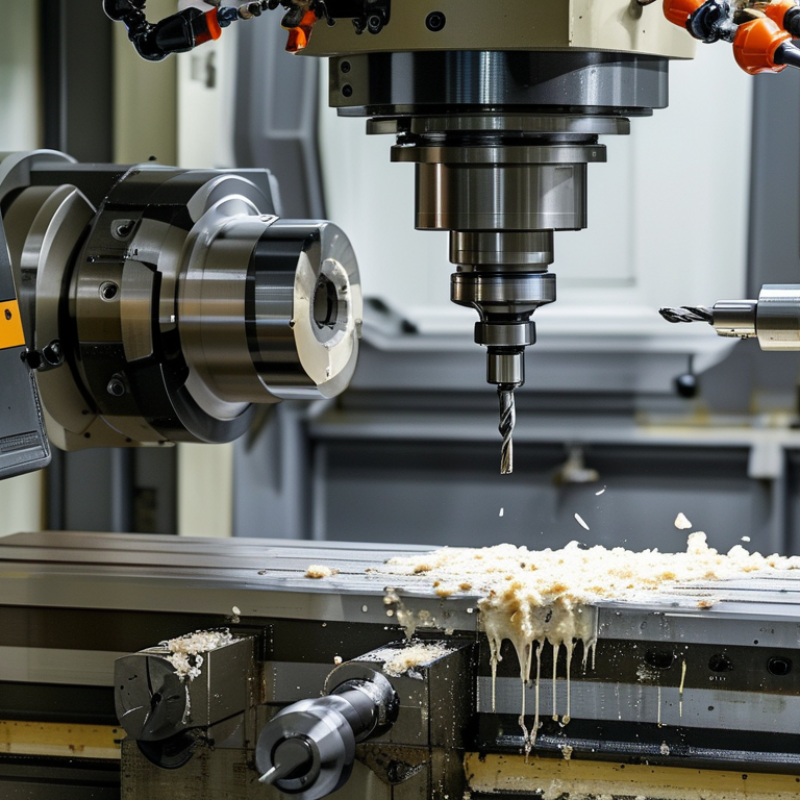
When selecting a high-speed CNC lathe, understanding your business needs is crucial. Many manufacturers report that precision and speed are their top priorities. According to a recent survey by the Association for Manufacturing Technology, over 65% of companies prefer CNC machines that offer a rapid production capability. It’s essential to consider how often your operations demand high-speed machining. For businesses involved in high-volume production, investing in advanced technology may yield better efficiency and reduced waste.
Evaluate the materials you typically work with. Different lathes are designed for specific materials, which can impact performance. A study by the International Journal of Advanced Manufacturing Technology found that using the right machine for the material can cut machining time by up to 30%. Additionally, think about the types of components you manufacture. Are they complex? If so, a machine with higher degrees of freedom might suit your needs better.
Moreover, consider the long-term operational costs. A cheaper machine may save you money initially but could lead to higher maintenance costs down the line. Many manufacturers find themselves needing to replace machines sooner than expected due to unforeseen issues. It’s vital to factor in potential downtime. A machine that meets current needs might not support future growth, so plan ahead for scalability.
| Feature | Description | Importance Level |
|---|---|---|
| Spindle Speed | Indicates the maximum RPM of the spindle. Higher speeds allow for faster machining and better finish. | High |
| Accuracy | Precision of the machine in achieving desired tolerances. | Critical |
| Tooling Capability | Types of tools the CNC lathe can accommodate and change automatically. | Medium |
| Load Capacity | Maximum weight the lathe can handle without compromising performance. | High |
| Software Compatibility | Ability to work with various CAD/CAM software for programming. | Medium |
| Maintenance Requirements | Frequency and complexity of maintenance procedures. | Low |
| Footprint | Space required to operate the machine, including clearance. | Medium |
| Cost | Total investment cost, including installation and training. | High |
When selecting a high-speed CNC lathe, several key features demand your attention. Speed and efficiency are critical for productivity. Look for lathes that offer rapid spindle speeds, cutting down cycle times significantly. This ensures higher output and can meet tight deadlines in your production schedule.
Consider the machine's rigidity and stability. A stable CNC lathe reduces vibration, leading to improved precision and part quality. If the machine wobbles, your finished products may not meet specifications. It’s essential to analyze the materials used in the construction of the lathe frame for durability and performance.
Tips: Always verify the software compatibility of the CNC lathe. User-friendly interfaces can streamline operations. Training employees on complex systems may be time-consuming. Ensure the lathe supports your specific manufacturing needs, like complex geometries, to avoid frustration later.
Pay attention to tooling options as well. A versatile CNC lathe with multiple tooling setups can save time and allow for various applications. If your lathe cannot accommodate diverse tools, you might face limitations. Flexibility in tooling will enhance productivity and adaptability to market changes.
When selecting a high-speed CNC lathe, speed and precision are paramount. According to a recent survey by the International Manufacturing Technology Show, nearly 70% of manufacturers prioritize precision in their CNC machines. High-speed lathes can achieve spindle speeds exceeding 10,000 RPM, enabling rapid material removal. However, high speed can sometimes compromise accuracy. Consistency often suffers at maximum speeds, necessitating a balance between these critical factors.
Precision requirements hinge on factors like the types of materials processed and part tolerances. Aerospace components often demand tolerances as tight as ±0.001 inches, while general manufacturing may require less stringent specifications. Many industry experts suggest using lathes that not only meet speed criteria but also allow for fine-tuning during operation. This adaptability can help ensure that speed does not come at the cost of precision.
Vibrations and thermal issues can also arise at higher speeds, which impact the outcome. Selecting a machine with advanced vibration dampening features can mitigate these challenges. It’s essential to conduct a thorough analysis of how proposed lathe specifications align with your production needs. Operators should be prepared to adjust techniques to optimize both speed and precision, ensuring quality remains uncompromised.
When selecting a high-speed CNC lathe, it's crucial to compare various brands and models. Key factors include build quality, spindle speed, and precision. Durable materials contribute to longer machine life. Remember, a superficial inspection may miss underlying issues. Look closely at user reviews for real-life insights on performance.
Performance specs should align with your business needs. Some models excel in speed but may compromise on precision or durability. Others strike a balance, making them versatile but perhaps less specialized. Pay attention to the learning curve as well; some machines might require extensive training, affecting immediate productivity.
Each brand has unique strengths. Researching customer service reputation can also aid your decision. A trustworthy manufacturer offers reliable support and spare parts. Choose a model with a solid warranty to protect your investment. This complex decision requires careful consideration and may reveal unexpected challenges along the way.
When choosing a high-speed CNC lathe, budget considerations are essential. Setting a clear budget ensures you get the best value for your investment. Prices can vary significantly based on features and capabilities. A basic model may cost less, but it might lack critical functions. On the other hand, advanced lathes can exceed initial projections. This can lead to financial strain if not properly assessed.
Cost-benefit analysis plays a critical role in decision-making. Evaluate how much output you require and the complexity of the tasks. Consider maintenance costs, too. High-speed lathes may have higher initial expenses but can save money over time through efficiency. Think about the return on investment. If a machine can produce parts faster and with higher precision, it may justify the cost. Always weigh these factors carefully to avoid future regrets.
Additionally, don’t overlook the reliability of suppliers. Research should include reviews and performance feedback. An unreliable machine can lead to downtime and additional costs. Investing time in a thorough analysis can prevent hasty decisions that could affect your business negatively. The right CNC lathe should not only meet your budget but also fit your production needs in a sustainable way.
„Thanks to the LUVIR technology, the solder resist process could be switched directly from the previously used mask exposure to direct exposure. As an outstanding digital solution on the market, this technology has been able to demonstrate fast process times and superior quality on our certified conventional ink in production. This allowed us to fully digitize the solder mask process at low cost – without process or ink adjustments. An excellent benefit to our production in Rot am See.“
Ralf Göhringer (Head of Production WE Rot am See)
I would definitely recommend the Limata machine and team for a future company purchase
Michael Greenaway
Compunetics Inc.
“The Limata ldi has been amazing!! Best thing we did was buy this machine”
Richard Brady
GM
Circuitlabs
“Since 2019, we have been running the Limata X1000 LDI system (including LUVIR for solder mask imaging) in daily production as an addition to our current process with film. The machine was capable of properly exposing Taiyo PSR-4000 BN (DI) solder mask types on normal to high-copper boards using a new and unique direct imaging process. The machine operating interface is very user friendly which allowed for a quick technical training curve. The pre-registration processing reduced several seconds of production time at every print. Limata support and service staff is incomparable. They supported our team every step of the way at basically any time of the day or night, with literally, an immediate response time, customizing the software interface to best fit our Operations and needs.
We have exposed more than 8,000 prints since end of October, on various solder mask colors and some resist film panels. Limata, has proven to be very capable and innovative. They are a strong contender in the industry.
We have very much enjoyed this project, and working with the team!
Thank you Limata for the continued support and being a part of our growth.”
Bill Sezate
Vice President, GM
Summit Interconnect
As a replacement to our current contact exposure process with film, the LIMATA X2000 system including LUVIR-Technology was capable of properly exposing non-LDI solder mask types using a direct imaging process. The machine offers cutting edge software with a very intuitive operating interface which allowed for quick technician training curve. The dual drawer system combined with pre-registration processing reduced several seconds of production time at every machine cycle. Limata support and service staff is world class. They added software patches to keep production running at shortest possible response times, customized the software interface to best fit our in-house Operations system, and even wrote a step-by-step machine processing manual. As a result of the project, we have exposed more than 16,000 times on various product types and solder mask brands/colors. Limata, in a very short timeframe as a company, has definitely shown they are truly innovative and will be challenging the industry of direct imaging for the top spot.
Kevin Beattie
Process Engineer
TTM Technologies
Forest Grove Division
