Choosing the best high-speed quilting machine can be daunting. There are countless brands and features to consider. Each machine brings unique specifications that cater to different quilting styles and needs.
When selecting a high-speed quilting machine, think about your level of experience and the projects you undertake. Beginners might find simpler models more accessible. More advanced users may seek complex features and higher speeds. Consider how often you quilt. A machine suitable for occasional use may not fulfill the needs of someone who quilts daily.
Pay attention to reviews and seek advice from experienced quilters. Their insights often reveal potential pitfalls or advantages that aren't obvious. Reflect on your own preferences. A machine looks impressive but may not suit your style. Ultimately, choosing the right high-speed quilting machine hinges on understanding your needs and matching them with the right features.
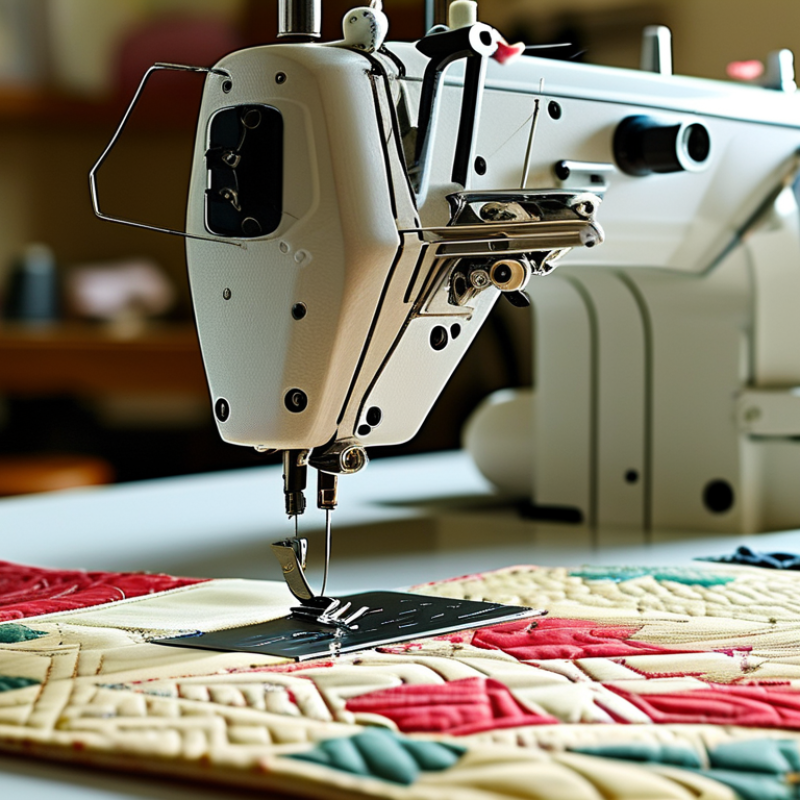
Choosing the right high-speed quilting machine starts with assessing your needs. Think about what type of quilts you make. Do you prefer large bed quilts or smaller decorative ones? The size of your projects will dictate the machine's size and capabilities.
Consider your quilting frequency. If you quilt often, investing in a high-quality machine is crucial. Your budget matters too. A high-speed machine can vary significantly in price. Balance quality and cost carefully.
Evaluate your skill level. Beginners may need user-friendly features. More advanced quilters might look for specialized options. Reflect on what you really need. Are fancy stitches essential, or do you value speed and reliability more? Knowing your quilting style will guide your choice effectively.
When selecting a high-speed quilting machine, it’s essential to focus on key features that enhance your quilting experience. Look for machines with adjustable stitch lengths. This feature allows for precision control, especially important when working with various fabric types. A built-in needle threader can save time and frustration, making setup much smoother.
Another critical aspect is the throat space. A larger throat area offers more room for maneuvering quilts. This is especially beneficial for larger projects. You should also consider the speed at which the machine operates. Higher speeds can significantly reduce project time but may require practice to maintain control.
Many machines include multiple stitch patterns for added versatility. Consider how many options you truly need for your projects. Durability is also crucial; a sturdy machine will withstand heavy use. If you're a beginner, features can seem overwhelming. Take time to reflect on your quilting habits. Focus on what truly enhances your craft rather than getting caught up in advanced options you may never use.
When searching for high-speed quilting machines, comparing brands is essential. Each brand offers unique features that cater to different needs. Consider factors like stitch speed, ease of use, and available accessories. Some machines are designed for heavy-duty projects, while others excel in portability. The right choice should align with your quilting goals.
Tips: Always read user reviews. They provide insight into real-world performance. Test machines, if possible. This hands-on experience can reveal comfort levels. Look for models that offer warranties or money-back guarantees, ensuring you get a machine that meets your expectations.
Not every machine will fit your style. Some users struggle with complicated interfaces. This can lead to frustration. Take the time to reflect on what features truly matter to you. Think about how often you will sew and the types of quilts you want to create. Assess your workspace. A larger machine requires substantial room and a sturdy table.
When budgeting for a high-speed quilting machine, it’s essential to assess your needs. Start with understanding your quilting style and expected usage. This can significantly influence the price you’re willing to pay. Basic models may suffice for occasional quilters. However, serious enthusiasts might need something more advanced.
Consider all potential costs related to your purchase. Look beyond just the machine’s price. Accessories, maintenance, and additional tools can add up quickly. Setting aside extra funds for these elements can prevent any financial strain later. Keep in mind that lower upfront costs can sometimes lead to higher long-term expenses.
It can be tempting to splurge on the latest features. Reflect on whether you truly need them. A machine with many functions might seem appealing, but consider if they fit your quilting projects. A more straightforward machine may serve you better and fit perfectly within your budget. Ultimately, prioritizing what matters most will lead to a more satisfying purchase.
Maintaining a high-speed quilting machine is crucial for optimal performance. Regular cleaning is essential. Dust and lint can accumulate in the machine, affecting its efficiency. Use a soft brush to remove debris from the bobbin case and feed dogs. Oil the machine according to the manufacturer's recommendations. This helps keep the parts moving smoothly.
Support is equally important. When choosing a machine, check for customer service options. Responsive support can make a big difference. Whether you need guidance with features or assistance with repairs, having access to professional help is vital. Join quilting communities online. These can be great resources for troubleshooting and tips.
Longevity involves understanding your machine’s limits. Pushing it too hard can lead to breakdowns. Be aware of the sewing speed and fabric thickness you are using. A machine that operates the best requires care and respect. Regular check-ups can prevent many issues. Keeping spare parts on hand is also wise. This proactive approach reduces downtime significantly.
„Thanks to the LUVIR technology, the solder resist process could be switched directly from the previously used mask exposure to direct exposure. As an outstanding digital solution on the market, this technology has been able to demonstrate fast process times and superior quality on our certified conventional ink in production. This allowed us to fully digitize the solder mask process at low cost – without process or ink adjustments. An excellent benefit to our production in Rot am See.“
Ralf Göhringer (Head of Production WE Rot am See)
I would definitely recommend the Limata machine and team for a future company purchase
Michael Greenaway
Compunetics Inc.
“The Limata ldi has been amazing!! Best thing we did was buy this machine”
Richard Brady
GM
Circuitlabs
“Since 2019, we have been running the Limata X1000 LDI system (including LUVIR for solder mask imaging) in daily production as an addition to our current process with film. The machine was capable of properly exposing Taiyo PSR-4000 BN (DI) solder mask types on normal to high-copper boards using a new and unique direct imaging process. The machine operating interface is very user friendly which allowed for a quick technical training curve. The pre-registration processing reduced several seconds of production time at every print. Limata support and service staff is incomparable. They supported our team every step of the way at basically any time of the day or night, with literally, an immediate response time, customizing the software interface to best fit our Operations and needs.
We have exposed more than 8,000 prints since end of October, on various solder mask colors and some resist film panels. Limata, has proven to be very capable and innovative. They are a strong contender in the industry.
We have very much enjoyed this project, and working with the team!
Thank you Limata for the continued support and being a part of our growth.”
Bill Sezate
Vice President, GM
Summit Interconnect
As a replacement to our current contact exposure process with film, the LIMATA X2000 system including LUVIR-Technology was capable of properly exposing non-LDI solder mask types using a direct imaging process. The machine offers cutting edge software with a very intuitive operating interface which allowed for quick technician training curve. The dual drawer system combined with pre-registration processing reduced several seconds of production time at every machine cycle. Limata support and service staff is world class. They added software patches to keep production running at shortest possible response times, customized the software interface to best fit our in-house Operations system, and even wrote a step-by-step machine processing manual. As a result of the project, we have exposed more than 16,000 times on various product types and solder mask brands/colors. Limata, in a very short timeframe as a company, has definitely shown they are truly innovative and will be challenging the industry of direct imaging for the top spot.
Kevin Beattie
Process Engineer
TTM Technologies
Forest Grove Division
