Choosing the right Paint Protection Film (PPF) for your vehicle can be challenging. With numerous options on the market, it’s vital to make an informed decision. A good PPF protects your car’s paint from scratches, chips, and environmental damage.
When selecting a film, consider factors like thickness, clarity, and self-healing properties. High-quality films often offer better durability and can blend seamlessly with your vehicle’s aesthetics. However, not every option is perfect. Some films may yellow over time or be difficult to apply.
Understanding these nuances is key. Seek expert advice if you're unsure about your choice. Before making a purchase, weigh the pros and cons of each product. The right Paint Protection Film can enhance your vehicle's longevity and appearance significantly.
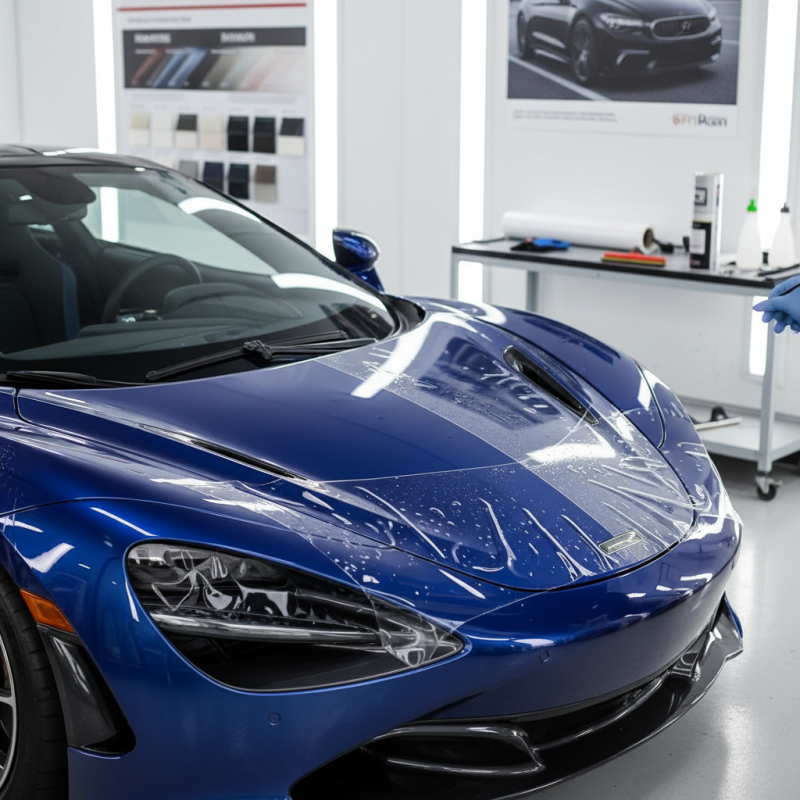
Paint protection film (PPF) is an essential investment for vehicle owners who want to preserve their car's aesthetic appeal. This clear urethane film acts as a barrier against scratches, chips, and contaminants. According to a 2022 industry report, vehicles that have PPF installed show a 20% higher resale value compared to those without. This statistic demonstrates the financial advantage of protecting your investment.
The benefits of PPF extend beyond mere aesthetics. A study from the Automotive Protective Coatings Association indicates that 95% of car owners who applied PPF reported increased satisfaction with their vehicle's appearance over time. This applied layer keeps paint looking new by blocking harmful UV rays, thus preventing fading and oxidation. However, not all films are the same. Buyers often need to consider factors such as thickness, clarity, and warranty, which can vary widely among products.
While many people are enthusiastic about installing PPF, not all experiences are positive. Some films may bubble or yellow over time, especially if poorly installed. It's crucial to select a reputable installer who understands the nuances of different PPF products. Conducting thorough research and seeking expert advice can help navigate these potential pitfalls and lead to a more satisfying outcome.
When selecting paint protection film (PPF) for your vehicle, understanding the different types available is essential. They primarily fall into two categories: clear bra films and self-healing films. Clear bra films offer basic protection against chips and scratches. They ensure that the vehicle's original color remains intact. However, they may not be as durable over time.
Self-healing films, on the other hand, boast advanced technology. They can effectively repair minor scratches through heat activation. This means light scratches can disappear, maintaining the vehicle's aesthetics. According to a recent automotive industry report, self-healing films have seen a 30% increase in demand among car enthusiasts and everyday drivers alike. This growth reflects the need for superior protection against environmental factors.
Another consideration is the thickness of the film. Thicker films provide enhanced protection but may be more challenging to install. The technology behind these films varies greatly. While some films offer strong UV protection and prevent yellowing, others may fade over time. Vehicle owners should carefully assess these factors to find the right balance for their specific needs.
| Type of Film | Material | Protection Level | Durability | Price Range (Per Sq Ft) |
|---|---|---|---|---|
| Self-Healing Film | Polyurethane | High | 5-10 Years | $8 - $15 |
| Matte Finish Film | Polymer | Medium | 3-7 Years | $10 - $18 |
| Clear Bra Film | Thermoplastic Urethane | High | 7-10 Years | $10 - $20 |
| Ceramic Coated Film | Polymer with Ceramic Layer | Very High | 5-15 Years | $15 - $25 |
Choosing the right paint protection film (PPF) for a vehicle involves several critical factors. One major aspect is film thickness, which can significantly affect durability. Films typically range from 6 to 12 mils. Research suggests that thicker films often provide better resistance against impacts and scratches. However, thicker films can be more challenging to install and may not conform as well to complex curves.
Another factor to consider is clarity. High-quality PPF should be nearly invisible after installation. Reports indicate that films with superior optical clarity maintain visual aesthetics while protecting paint. It is essential to assess how films resist yellowing over time. Some films degrade faster, leading to an unattractive appearance.
Self-healing technology is increasingly popular in the industry. This feature allows minor scratches to disappear when exposed to heat. Industry data shows that films equipped with this technology can extend a vehicle's exterior lifespan. Weighing these aspects, alongside budget considerations, is critical. Not all films offer the same level of protection or lifespan, so making an informed choice can be challenging yet necessary.
When choosing a paint protection film, understanding the installation process is crucial. Begin by thoroughly cleaning the vehicle's surface. Any dirt or debris can cause imperfections. After cleaning, it's essential to prepare the film. It may need to be trimmed, depending on your vehicle's shape. A precise fit will enhance its effectiveness and aesthetic appeal.
During installation, use a spray solution to aid in positioning the film. Apply the film slowly, ensuring no bubbles form underneath. If bubbles occur, carefully lift the film and apply more solution. This can be a bit tricky and often requires patience. Practice may be necessary to master the technique.
Maintenance is vital for longevity. Regularly wash the vehicle with gentle soap and a soft cloth. Avoid harsh chemicals. Inspect the film for any peeling or damage. Addressing issues quickly can prevent further complications. This care will help ensure that your investment remains intact, though small imperfections may always arise. Acknowledging this can help set realistic expectations.
When selecting the best paint protection film for your vehicle, cost and durability are crucial factors. A study from the Specialty Equipment Market Association (SEMA) indicates that durable films can resist scratches and UV damage better than standard options. High-quality films often last up to 10 years, while budget options may only endure for 2 to 5 years, making longevity a key consideration.
It's essential to know that there is a significant price difference among different types of films. Premium films can cost up to $1,500 for full coverage, while less expensive products may be available for around $500. The initial cost may be tempting, but investing in a robust film can save money in the long run. Poor quality films might require replacements sooner and could lead to paint damage underneath.
Tips: Always check for warranty information. A good warranty can indicate the manufacturer’s confidence in their product’s durability. Look for films with a thickness of at least 8 mils for better protection. Don’t forget to consider professional installation costs as well; they greatly influence the overall investment. Balancing cost and long-term benefits is vital when selecting the right paint protection film.
„Thanks to the LUVIR technology, the solder resist process could be switched directly from the previously used mask exposure to direct exposure. As an outstanding digital solution on the market, this technology has been able to demonstrate fast process times and superior quality on our certified conventional ink in production. This allowed us to fully digitize the solder mask process at low cost – without process or ink adjustments. An excellent benefit to our production in Rot am See.“
Ralf Göhringer (Head of Production WE Rot am See)
I would definitely recommend the Limata machine and team for a future company purchase
Michael Greenaway
Compunetics Inc.
“The Limata ldi has been amazing!! Best thing we did was buy this machine”
Richard Brady
GM
Circuitlabs
“Since 2019, we have been running the Limata X1000 LDI system (including LUVIR for solder mask imaging) in daily production as an addition to our current process with film. The machine was capable of properly exposing Taiyo PSR-4000 BN (DI) solder mask types on normal to high-copper boards using a new and unique direct imaging process. The machine operating interface is very user friendly which allowed for a quick technical training curve. The pre-registration processing reduced several seconds of production time at every print. Limata support and service staff is incomparable. They supported our team every step of the way at basically any time of the day or night, with literally, an immediate response time, customizing the software interface to best fit our Operations and needs.
We have exposed more than 8,000 prints since end of October, on various solder mask colors and some resist film panels. Limata, has proven to be very capable and innovative. They are a strong contender in the industry.
We have very much enjoyed this project, and working with the team!
Thank you Limata for the continued support and being a part of our growth.”
Bill Sezate
Vice President, GM
Summit Interconnect
As a replacement to our current contact exposure process with film, the LIMATA X2000 system including LUVIR-Technology was capable of properly exposing non-LDI solder mask types using a direct imaging process. The machine offers cutting edge software with a very intuitive operating interface which allowed for quick technician training curve. The dual drawer system combined with pre-registration processing reduced several seconds of production time at every machine cycle. Limata support and service staff is world class. They added software patches to keep production running at shortest possible response times, customized the software interface to best fit our in-house Operations system, and even wrote a step-by-step machine processing manual. As a result of the project, we have exposed more than 16,000 times on various product types and solder mask brands/colors. Limata, in a very short timeframe as a company, has definitely shown they are truly innovative and will be challenging the industry of direct imaging for the top spot.
Kevin Beattie
Process Engineer
TTM Technologies
Forest Grove Division
