Choosing the right poultry cages for layers is crucial for any poultry farmer. Layers are hens bred primarily for egg production. The type of cage can significantly impact their health and productivity. A well-chosen cage can enhance egg quality and quantity. However, many factors come into play.
When selecting poultry cages for layers, consider space, ventilation, and ease of access. Each hen needs enough room to move and lay eggs comfortably. Good ventilation ensures a healthy living environment. It can minimize diseases and stress among the birds. Farmers must also think about cleaning and maintenance. Cages that are hard to clean can lead to hygiene issues, affecting overall flock health.
Not every solution works for every farm. Some cages may seem ideal but might not fit your specific needs. Research is essential. Reading reviews and talking to experienced farmers can provide valuable insights. In the end, the perfect cage should reflect both your operational needs and the well-being of your layers. Balancing these factors will lead to a productive and thriving poultry setup.
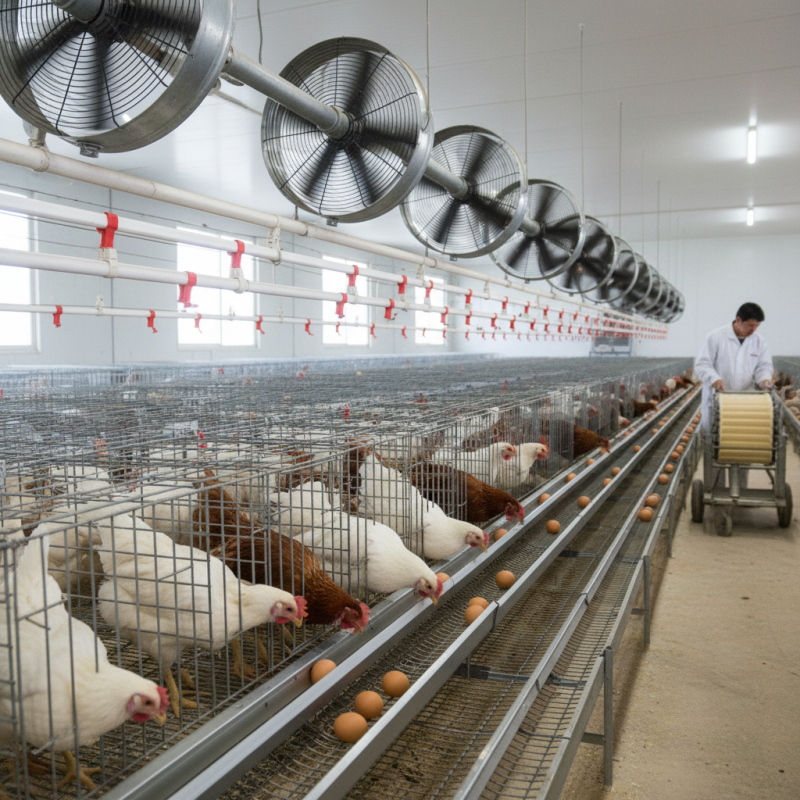
When selecting poultry cages for layers, several key factors must be evaluated. The cage size directly affects the birds' comfort and egg production. A report from the World Poultry Science Association suggests that each hen requires at least 1.5 square feet of space. Overcrowding can lead to stress, reducing egg-laying efficiency.
Ventilation is crucial in any poultry operation. Good airflow helps maintain optimal temperature and humidity levels, impacting the health of the birds and egg quality. The American Poultry Association highlights that poor ventilation can lead to respiratory issues, ultimately affecting production.
**Tip:** Regularly check ventilation systems to ensure airflow is adequate. Implementing fans and air circulation systems can improve conditions.
Furthermore, cage materials should resist wear and be easy to clean. Galvanized steel is often preferred for its durability and longevity. However, some reports indicate that using plastic cages can lead to increased hygiene and reduced disease spread. It’s important to consider the trade-off between initial costs and long-term durability.
**Tip:** Compare costs and maintenance needs of different materials over time. Choose what aligns best with your operational budget.
Lastly, consider ease of access for feeding and egg collection. Cages that facilitate quick, efficient workflows can significantly enhance productivity. Be mindful of the layout; a poorly designed system can lead to increased labor costs.
| Factor | Description | Importance Level |
|---|---|---|
| Size | The dimensions of the cage should accommodate the number of layers comfortably. | High |
| Material | Cages should be constructed from durable, safe materials that ensure longevity and safety. | High |
| Ventilation | Good air circulation is essential to maintain the health of the birds. | High |
| Ease of Cleaning | Cages should be designed for easy access to cleaning and maintenance. | Medium |
| Space per Bird | Adequate space per bird is crucial for reducing stress and ensuring productivity. | High |
| Temperature Control | Cages should allow for temperature regulation to maintain optimal conditions for layers. | Medium |
| Egg Collection System | An efficient system for egg collection can save time and reduce damage. | Medium |
| Cost | Budget considerations impact choices, balancing cost with quality and features. | High |
When selecting poultry cages for layer chickens, consider various types that cater to their needs. Battery cages are popular due to their efficiency. These cages allow for high-density housing, maximizing space while keeping the birds separate. However, they often face criticism for animal welfare concerns.
Another option is the enriched cage system. These cages offer more space, alongside perches and nesting areas. They improve the birds' quality of life but may require additional management to maintain cleanliness and reduce stress. Fully understanding these types can help ensure your flock remains healthy and productive.
Free-range systems are also gaining traction. In these systems, hens have access to outdoor spaces. While they promote natural behaviors, they require significant space and can be more challenging to manage. Each type has strengths and weaknesses. Assess your resources and goals to find the best fit. This evaluation helps ensure your layered chickens thrive in their environment.
When selecting poultry cages for layers, sizing and space requirements are crucial. According to the Egg Industry Center, each layer hen requires at least 1.5 square feet of space in the cage. However, many operators often overlook this detail, resulting in overcrowded conditions that affect hen welfare and egg production. Over time, inadequate space can lead to stress and aggressive behavior among birds, reducing overall productivity.
Tip: Regularly assess the space allocated per bird. This simple practice can prevent potential issues before they escalate.
Cage height is equally important. Standard cages should allow hens to stand upright and spread their wings fully. The American Veterinary Medical Association recommends a minimum height of 18 inches in a multi-tiered system. Failing to provide adequate vertical space can hinder natural behaviors, leading to health problems.
Tip: Check the height of your cages regularly to ensure compliance. An estimated 30% of poultry operations find themselves with height issues at some point.
A well-designed cage, maintaining proper size and space, will result in healthier, more productive layers. This balance is essential for a successful poultry business, yet it is often neglected in favor of maximizing price and efficiency. Balancing profitability with animal welfare is crucial for sustainable operations.
When selecting poultry cages for layers, material choice plays a crucial role in durability and overall effectiveness. Metal cages, particularly those made from galvanized steel, are well-regarded for their strength and longevity. Reports indicate that galvanized steel can resist corrosion for up to 20 years under optimal conditions. This durability is vital for preventing rust, which can compromise the health and safety of the birds.
Plastic cages are another option, often chosen for their lightweight nature and ease of cleaning. Some industry reports suggest that high-density polyethylene (HDPE) can last for more than ten years, making it a viable choice for smaller operations. However, challenges like UV degradation and lower structural integrity may require more frequent replacements. Observation shows that many poultry producers opt for mixed-material cages to balance cost, durability, and maintenance needs.
Ultimately, the choice of material influences not just the initial investment but also ongoing costs. Regular maintenance practices can reveal vulnerabilities in both metal and plastic options. As producers seek efficiencies, some may underestimate the role of quality materials, risking long-term outcomes. Observations in the field indicate that complacency can lead to higher mortality rates and lowered productivity if cages do not meet structural needs.
When selecting poultry cages for layers, maintenance and ease of access are crucial aspects. A well-designed cage enables efficient routine care, making it easier to manage the flock. Consider cages that allow for simple cleaning and are easily accessible. For instance, removable trays for droppings help maintain hygiene without significant effort.
Access points should cater to the needs of both caretakers and birds. Cages with multiple doors simplify feeding and egg collection. They reduce the time spent inside the coop, minimizing stress for the layers. A layout that allows for walking through can also promote better monitoring of the flock’s health.
Many may overlook ventilation as part of design. It directly impacts not only the cleanliness but also the overall health of the hens. Cages with proper airflow can prevent humidity build-up, which is essential. Inadequate air circulation may lead to rapid litter deterioration. Therefore, continuous reflection and adjustment on cage design can enhance operation efficiency and animal welfare significantly.
„Thanks to the LUVIR technology, the solder resist process could be switched directly from the previously used mask exposure to direct exposure. As an outstanding digital solution on the market, this technology has been able to demonstrate fast process times and superior quality on our certified conventional ink in production. This allowed us to fully digitize the solder mask process at low cost – without process or ink adjustments. An excellent benefit to our production in Rot am See.“
Ralf Göhringer (Head of Production WE Rot am See)
I would definitely recommend the Limata machine and team for a future company purchase
Michael Greenaway
Compunetics Inc.
“The Limata ldi has been amazing!! Best thing we did was buy this machine”
Richard Brady
GM
Circuitlabs
“Since 2019, we have been running the Limata X1000 LDI system (including LUVIR for solder mask imaging) in daily production as an addition to our current process with film. The machine was capable of properly exposing Taiyo PSR-4000 BN (DI) solder mask types on normal to high-copper boards using a new and unique direct imaging process. The machine operating interface is very user friendly which allowed for a quick technical training curve. The pre-registration processing reduced several seconds of production time at every print. Limata support and service staff is incomparable. They supported our team every step of the way at basically any time of the day or night, with literally, an immediate response time, customizing the software interface to best fit our Operations and needs.
We have exposed more than 8,000 prints since end of October, on various solder mask colors and some resist film panels. Limata, has proven to be very capable and innovative. They are a strong contender in the industry.
We have very much enjoyed this project, and working with the team!
Thank you Limata for the continued support and being a part of our growth.”
Bill Sezate
Vice President, GM
Summit Interconnect
As a replacement to our current contact exposure process with film, the LIMATA X2000 system including LUVIR-Technology was capable of properly exposing non-LDI solder mask types using a direct imaging process. The machine offers cutting edge software with a very intuitive operating interface which allowed for quick technician training curve. The dual drawer system combined with pre-registration processing reduced several seconds of production time at every machine cycle. Limata support and service staff is world class. They added software patches to keep production running at shortest possible response times, customized the software interface to best fit our in-house Operations system, and even wrote a step-by-step machine processing manual. As a result of the project, we have exposed more than 16,000 times on various product types and solder mask brands/colors. Limata, in a very short timeframe as a company, has definitely shown they are truly innovative and will be challenging the industry of direct imaging for the top spot.
Kevin Beattie
Process Engineer
TTM Technologies
Forest Grove Division
