When embarking on a project that involves furniture design or organization, choosing the right components is crucial. One such element is the skinny drawer slide. These slides are essential for maximizing space and ensuring smooth functionality. Expert carpenter James Eldridge emphasizes, "The right Skinny Drawer Slides can turn a cramped cabinet into a well-organized space." His experience in woodworking highlights the importance of selecting quality slides for optimal performance.
Skinny drawer slides come in various sizes, styles, and materials. Understanding your project needs will help in making an informed decision. The nuances of load capacity and installation requirements can significantly impact your project's success. It’s easy to overlook these factors, which might lead to frustrating outcomes. Imagine a drawer that jams or doesn’t open fully. Such pitfalls are needless but commonplace.
Investing time in research can save you from future headaches. Consider consulting with experts or reading reviews to find the best options. Reflecting on the importance of these seemingly small components can lead to a more functional and aesthetically pleasing end result. Remember, the right skinny drawer slides can elevate your project from mediocre to exceptional.
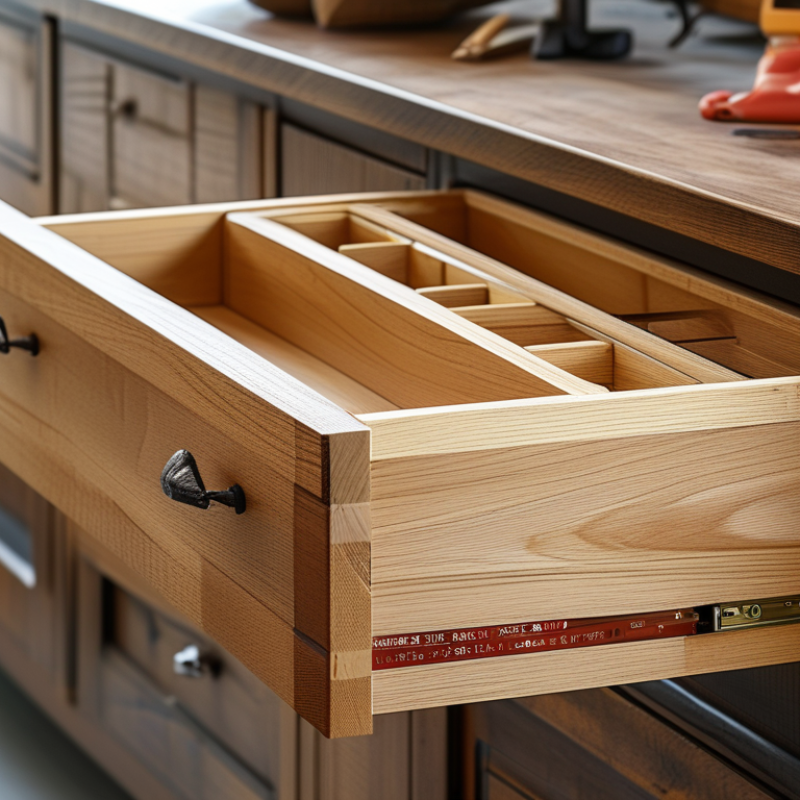
When choosing skinny drawer slides, it's essential to understand the various types available. Common types include side-mount, under-mount, and center-mount slides. Side-mount slides are often easy to install and can support significant weight. Under-mount slides, on the other hand, are more discrete and offer a clean look. Center-mount slides can save space but may limit weight capacity. Each type serves different needs and aesthetics.
Here are some tips to consider when selecting skinny drawer slides. First, evaluate the weight of items you plan to store. This will guide you to choose slides that can handle the load. Next, consider the installation method. Some slides require more precise measurements than others. Measure your drawer width accurately to ensure a proper fit.
It's also important to pay attention to materials. Metal slides usually provide better durability than plastic options. However, they can be louder during operation. Reflect on the noise factor if you prefer a quiet environment. Don’t forget to read user reviews. They can reveal common issues or advantages not mentioned in product descriptions. Selecting the right slides may require some trial and error.
When selecting skinny drawer slides, several key factors come into play. The weight capacity is crucial. Many slides accommodate between 50 to 100 pounds. Ensure they match the load expected in your drawers. The material influences durability. Steel slides typically last longer than plastic alternatives, offering better support.
Another vital aspect is the slide's extension type. Full-extension slides provide maximum access to your drawers. This is particularly beneficial for deep cabinets. Partial extensions might restrict access, making it harder to reach items at the back. Remember that ease of installation is important too. Many slides come with self-closing features that simplify usability.
Tip: Check the slide’s travel length. A longer travel can enhance accessibility, especially in tighter spaces. Look for smooth gliding mechanisms to prevent wear and tear. Industry reports indicate that poorly chosen slides can lead to drawer malfunction, stressing the importance of quality selection.
Cost can vary significantly based on features and material. Budget constraints should not compromise quality. Investing in reliable slides can enhance your project's success. Take time to evaluate your options and think critically about your choices.
| Feature | Description |
|---|---|
| Material | Common materials include steel, aluminum, and plastic. Choose based on durability and weight capacity. |
| Weight Capacity | Identify the total weight the slides need to support, including drawer contents. |
| Slide Length | Measure the drawer to select the appropriate slide length for optimal fit and function. |
| Mounting Style | Choose between side mount, bottom mount, or center mount based on your project requirements. |
| Extension Type | Options include partial extension, full extension, or over-travel based on drawer access needs. |
| Soft Close Feature | Consider whether you need a soft close mechanism for a quieter and smoother close. |
| Finish | Choose finishes like zinc plated, chrome, or powder-coated depending on aesthetics and corrosion resistance. |
Measuring drawer dimensions is crucial for selecting the right skinny drawer slides. Accurate measurements ensure that the slides will fit properly and function smoothly. According to a report by the Kitchen Cabinet Manufacturers Association, precise measurements can improve the performance of drawer systems by up to 30%.
To begin, measure the height, width, and depth of the drawer opening. The height should allow for the slide to clear any obstructions. Width is just as important; it must accommodate the width of the slide while leaving room for adjustments. Depth measurements should consider the full length of the slide for optimal operation. Many people overlook the clearance needed for the slide’s mechanism. This can lead to installation issues, affecting the drawer's functionality.
When choosing slides, be aware of weight ratings. Industry standards show that slides rated for 100 pounds are popular for heavier items. However, most residential applications recommend up to 75 pounds, which is sufficient for everyday use. Despite these guidelines, some projects may require additional care. Evaluating the everyday use of a drawer can provide insights into the necessary weight capacity. There’s room for reflection on how these choices impact overall usability.
When choosing skinny drawer slides, material and durability are crucial considerations. Most industry reports suggest that steel slides are known for longevity. They often support heavier loads and withstand daily wear. On the other hand, plastic slides are lighter and quieter but may not offer the same strength. A study from the Furniture Industry Association indicates that steel slides can last up to 50% longer than their plastic counterparts.
Look for finishes that resist rust and corrosion. Zinc-plated or coated options offer improved resilience in humid environments. However, even high-quality materials can fail under poor usage conditions. Misalignment during installation can lead to premature wear, even if the slides are made of metal. Regular maintenance can also enhance lifespan. Reports show maintaining slides can increase their performance by up to 30%.
Consider weight capacity carefully. Many drawers fail due to being overloaded. It's vital to match the slide's capacity with the intended load. A slide rated for 100 pounds might perform inadequately if subjected to 120 pounds. Knowing the right materials and their limitations will help ensure a successful project. Durability must align with your unique requirements for functionality and aesthetics.
Installing skinny drawer slides can significantly impact drawer functionality. Proper installation is key to ensuring smooth operation. One common mistake is misaligning the slides. Before you start, measure the drawer and the opening accurately. Take note of the clearance needed for your specific slides. This attention to detail will prevent future frustrations.
Another vital tip is to ensure that the cabinet is level. An uneven installation can lead to difficulties in opening and closing the drawer. If the cabinet isn't square, consider shimming the slides. For the best results, use a level and double-check your work at every step. This process can be time-consuming, but it pays off with better performance.
Additionally, pay attention to the weight limit specified for the slides. Overloading a drawer can cause stress on the slides, leading to premature wear and a frustrating usage experience. While it's tempting to fill drawers to the brim, it's essential to reflect on the functionality. Balance is crucial for longevity and ease of use. Maintaining the right conditions can extend the life of your drawer slides, making your project a success.
„Thanks to the LUVIR technology, the solder resist process could be switched directly from the previously used mask exposure to direct exposure. As an outstanding digital solution on the market, this technology has been able to demonstrate fast process times and superior quality on our certified conventional ink in production. This allowed us to fully digitize the solder mask process at low cost – without process or ink adjustments. An excellent benefit to our production in Rot am See.“
Ralf Göhringer (Head of Production WE Rot am See)
I would definitely recommend the Limata machine and team for a future company purchase
Michael Greenaway
Compunetics Inc.
“The Limata ldi has been amazing!! Best thing we did was buy this machine”
Richard Brady
GM
Circuitlabs
“Since 2019, we have been running the Limata X1000 LDI system (including LUVIR for solder mask imaging) in daily production as an addition to our current process with film. The machine was capable of properly exposing Taiyo PSR-4000 BN (DI) solder mask types on normal to high-copper boards using a new and unique direct imaging process. The machine operating interface is very user friendly which allowed for a quick technical training curve. The pre-registration processing reduced several seconds of production time at every print. Limata support and service staff is incomparable. They supported our team every step of the way at basically any time of the day or night, with literally, an immediate response time, customizing the software interface to best fit our Operations and needs.
We have exposed more than 8,000 prints since end of October, on various solder mask colors and some resist film panels. Limata, has proven to be very capable and innovative. They are a strong contender in the industry.
We have very much enjoyed this project, and working with the team!
Thank you Limata for the continued support and being a part of our growth.”
Bill Sezate
Vice President, GM
Summit Interconnect
As a replacement to our current contact exposure process with film, the LIMATA X2000 system including LUVIR-Technology was capable of properly exposing non-LDI solder mask types using a direct imaging process. The machine offers cutting edge software with a very intuitive operating interface which allowed for quick technician training curve. The dual drawer system combined with pre-registration processing reduced several seconds of production time at every machine cycle. Limata support and service staff is world class. They added software patches to keep production running at shortest possible response times, customized the software interface to best fit our in-house Operations system, and even wrote a step-by-step machine processing manual. As a result of the project, we have exposed more than 16,000 times on various product types and solder mask brands/colors. Limata, in a very short timeframe as a company, has definitely shown they are truly innovative and will be challenging the industry of direct imaging for the top spot.
Kevin Beattie
Process Engineer
TTM Technologies
Forest Grove Division
