Choosing the right Valve Test Fittings is crucial for effective pressure testing. These fittings ensure safety and reliability in various applications. Knowing what to look for can be overwhelming.
Begin with your specific needs. Consider the type of valves and the pressure ratings involved. The right fitting increases accuracy and minimizes leaks. It's also essential to consider the materials. Some environments require corrosion-resistant options.
Explore vendor reputation. Established manufacturers usually provide quality assurance. User reviews can guide your choice as well. However, not all information is reliable. Be cautious about biased feedback. Your decision deserves careful thought.
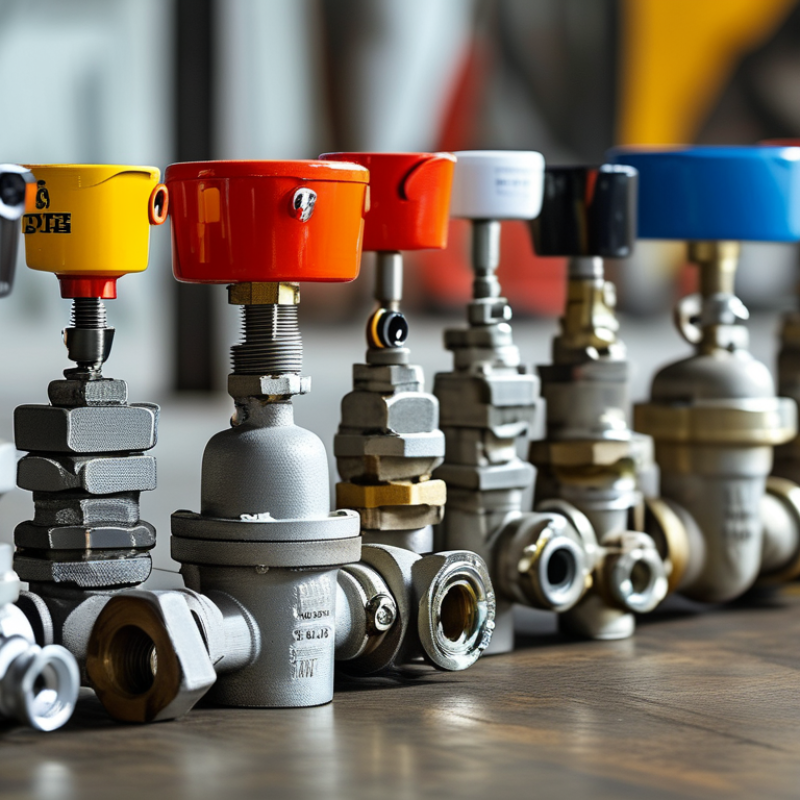
Valve test fittings are crucial for ensuring the integrity of various systems. They come in different types, each suited for specific applications. Common types include pressure test fittings, vacuum fittings, and manifold fittings. Each type has unique features designed for specific testing needs. Understanding these can help in selecting the right fittings for your projects.
When assessing valve test fittings, consider the environment where they will be used. Corrosive substances may require special materials. Conversely, high-pressure systems demand fittings that can withstand significant stress. Not all fittings are created equal, and their reliability can vary based on application.
A practical approach is to examine existing installations. Look for signs of wear or failure. Adjustments may be necessary if frequent replacements occur. Consulting with experts in the field can shed light on best practices. Knowledge about the intended application is key. Accurate selection based on specific needs can enhance performance and durability.
When selecting valve test fittings, it's crucial to evaluate their compatibility with your specific application. Consider the pressure and temperature ranges your system will encounter. These factors directly impact the durability and performance of the fittings. Look for materials that can withstand these conditions without degrading over time. Stainless steel and specialized polymers often provide the best results, but ensure they align with your fluid type.
Another important aspect is the fitting size. A proper fit minimizes leakage and enhances safety during testing. It’s advisable to have a clear understanding of your valve dimensions before making a selection. Misfits can lead to operational inefficiencies and costly repairs later on. Always measure twice before purchasing.
Consulting industry standards can further refine your choices. Sometimes, regulations dictate certain specifications for fittings. This can be a challenge, especially in niche applications. Therefore, staying informed about updates in testing protocols and standards is essential for long-term reliability. The right fittings not only ensure accuracy in testing but also play a vital role in maintaining overall system integrity.
Choosing the right material for valve test fittings is critical for ensuring durability and performance. Common materials include stainless steel, brass, and plastic, each with its advantages. Stainless steel is known for its strength and resistance to corrosion, making it suitable for harsh environments. Industry reports indicate that stainless steel fittings have a lifespan of over 20 years when used correctly. Brass fittings, on the other hand, are cost-effective and easy to work with, although they may be prone to corrosion in acidic conditions.
Construction quality is equally essential. Many fittings undergo several tests for safety and reliability before reaching the market. According to the American Society for Testing and Materials (ASTM), fittings must meet specific standards to ensure they can withstand pressure and temperature variations. Poorly constructed products can lead to leaks, posing safety risks. Be aware that not all fittings meet these stringent criteria. Inspecting certifications and manufacturer claims can help ensure you are investing in durable options.
Material selection can also impact maintenance needs. While stainless steel requires minimal upkeep, brass may necessitate regular inspections. This adds time and cost pressures to maintenance routines. It is crucial to evaluate how often you intend to use the fittings and the conditions they will face. Sometimes, even small choices can lead to significant complications down the line. Understanding the trade-offs in durability and maintenance can help you make informed choices for your specific applications.
| Material | Durability Rating | Temperature Resistance (°F) | Corrosion Resistance | Applications |
|---|---|---|---|---|
| Stainless Steel | High | -400 to 1500 | Excellent | Oil & Gas, Water Supply |
| Brass | Medium | -200 to 400 | Moderate | Hydronics, HVAC |
| Carbon Steel | Low | -20 to 800 | Poor | Gas Distribution, Water |
| PVC | Medium | -40 to 140 | Good | Chemical Handling, Irrigation |
| Titanium | Very High | -450 to 1200 | Excellent | Aerospace, Marine Applications |
When selecting valve test fittings, sizing and compatibility are crucial considerations. Accurate measurements ensure the fittings will integrate seamlessly into your existing system. Begin by assessing the specifications of your valves. Check the diameter and pressure ratings. This information guides your choice, preventing future operational issues.
Compatibility extends beyond size. Consider material and pressure requirements. Is the environment corrosive or high-pressure? It’s vital to match fitting materials accordingly. This prevents leaks and failures that can arise later. Ignoring these details may lead to costly repairs and downtime.
Installation should also be straightforward. Complex fittings increase the risk of errors. Look for designs that simplify the connection process. This enhances reliability over time. Reflect on past experiences where misfit fittings caused problems. Learning from such instances can guide better choices in the future. Ultimately, careful consideration of sizing and compatibility fosters a more efficient and reliable system.
When choosing valve test fittings, it’s crucial to balance cost and quality. Many users opt for budget-friendly options, hoping to save money initially. However, lower-cost fittings often compromise reliability and performance. For example, cheaper materials may degrade quickly, leading to costly repairs or replacements down the line. A poor-quality fitting can also introduce safety hazards that could have been avoided with a better investment.
Consider the long-term implications of your choice. Is the price difference worth the potential issues with maintenance and downtime? Reliable fittings made from durable materials are more likely to withstand rigorous testing environments. It's important to evaluate the specifications and safety certifications of the products. Look for reliable sources that provide insight into product testing.
While it might be tempting to focus solely on the price tag, think about the functionality and lifespan of the fittings. A fitting that fails can result in unexpected delays and increased costs. A well-informed decision takes time and careful consideration of both financial and operational impacts. Balancing cost and quality can lead to a more efficient and safer testing process in the long run.
„Thanks to the LUVIR technology, the solder resist process could be switched directly from the previously used mask exposure to direct exposure. As an outstanding digital solution on the market, this technology has been able to demonstrate fast process times and superior quality on our certified conventional ink in production. This allowed us to fully digitize the solder mask process at low cost – without process or ink adjustments. An excellent benefit to our production in Rot am See.“
Ralf Göhringer (Head of Production WE Rot am See)
I would definitely recommend the Limata machine and team for a future company purchase
Michael Greenaway
Compunetics Inc.
“The Limata ldi has been amazing!! Best thing we did was buy this machine”
Richard Brady
GM
Circuitlabs
“Since 2019, we have been running the Limata X1000 LDI system (including LUVIR for solder mask imaging) in daily production as an addition to our current process with film. The machine was capable of properly exposing Taiyo PSR-4000 BN (DI) solder mask types on normal to high-copper boards using a new and unique direct imaging process. The machine operating interface is very user friendly which allowed for a quick technical training curve. The pre-registration processing reduced several seconds of production time at every print. Limata support and service staff is incomparable. They supported our team every step of the way at basically any time of the day or night, with literally, an immediate response time, customizing the software interface to best fit our Operations and needs.
We have exposed more than 8,000 prints since end of October, on various solder mask colors and some resist film panels. Limata, has proven to be very capable and innovative. They are a strong contender in the industry.
We have very much enjoyed this project, and working with the team!
Thank you Limata for the continued support and being a part of our growth.”
Bill Sezate
Vice President, GM
Summit Interconnect
As a replacement to our current contact exposure process with film, the LIMATA X2000 system including LUVIR-Technology was capable of properly exposing non-LDI solder mask types using a direct imaging process. The machine offers cutting edge software with a very intuitive operating interface which allowed for quick technician training curve. The dual drawer system combined with pre-registration processing reduced several seconds of production time at every machine cycle. Limata support and service staff is world class. They added software patches to keep production running at shortest possible response times, customized the software interface to best fit our in-house Operations system, and even wrote a step-by-step machine processing manual. As a result of the project, we have exposed more than 16,000 times on various product types and solder mask brands/colors. Limata, in a very short timeframe as a company, has definitely shown they are truly innovative and will be challenging the industry of direct imaging for the top spot.
Kevin Beattie
Process Engineer
TTM Technologies
Forest Grove Division
