When considering a Water Filter System for your home, many factors come into play. With a vast range of filters available, choosing the right one can often feel overwhelming. A reliable water filter is essential for ensuring clean and safe drinking water. Contaminants can vary widely based on your location and source of water. Identifying these contaminants is the first step.
Researching different systems can reveal various features and benefits. Some filters target specific impurities, while others offer broader filtration. It's important to balance performance with cost and maintenance. More expensive units may not always be the best choice. Reflecting on your specific needs will aid in this process.
Trustworthy reviews and expert recommendations are crucial in this decision. They provide insights and real-world experiences that guide your choice. Every household has unique water quality. A system that works well for one family may not suit another. Awareness of these differences will lead to a more informed decision. Ultimately, investing time in understanding your options pays off. A good Water Filter System can significantly enhance your family's health and well-being.
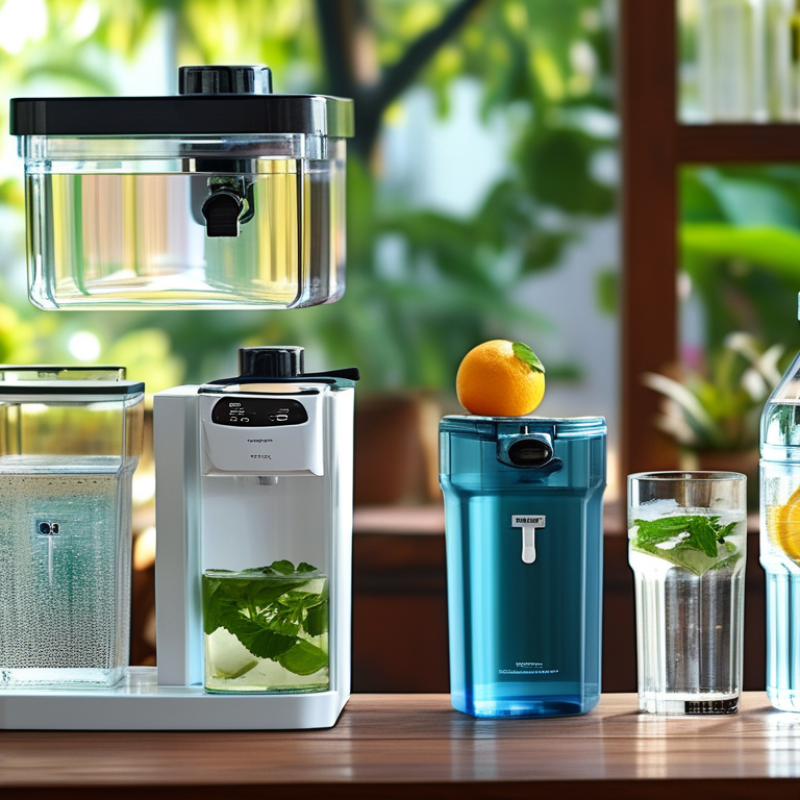
Understanding your water quality is crucial for selecting the right water filter system. Many homes receive water that may contain contaminants like lead, chlorine, and bacteria. According to a report from the Environmental Protection Agency, approximately 10% of water systems in the United States have reported lead levels above the action level. This is alarming, considering lead exposure can lead to serious health issues, especially in children.
Testing your water can reveal what contaminants may be present. Home water testing kits are widely available, allowing homeowners to assess their water quality. Factors such as hardness, pH, and the presence of specific chemicals should guide your choice of filtration system. It's essential to note that not all filters address every type of contaminant. A reverse osmosis system may be effective against heavy metals but less so against certain bacteria.
Many people overlook the importance of continuous evaluation. Regular testing can show changes in water quality over time. This is particularly important if water sources change or if there have been plumbing repairs. Transparency in reporting and understanding laboratory results is vital. Too often, people assume their water is safe without comprehensive knowledge. Gaining insight into the specific contaminants can drive better and safer choices for water filtration.
When considering a water filter system for your home, understanding the available types is crucial. Each system serves a unique purpose. There are activated carbon filters, reverse osmosis systems, and UV purifiers.
Activated carbon filters remove contaminants through absorption. They are popular for their affordability and ease of use. However, they may not eliminate all impurities, such as heavy metals.
Reverse osmosis systems provide a more thorough filtration process. They push water through a semipermeable membrane to remove various contaminants. This process is effective but can be slow. Additionally, it may waste some water in the process. Users should reflect on their water needs. If your home relies on well water, additional filtration may be necessary.
UV purifiers use ultraviolet light to kill bacteria and viruses in water. They are effective for disinfecting but may not remove chemical pollutants. Regular maintenance is essential to ensure the system's efficiency. Homeowners should evaluate their specific requirements. Understanding the limitations and strengths of each type will lead to better decision-making.
Selecting the right water filter system for your home requires careful consideration of several important factors. One of the foremost factors is the type of contaminants present in your water supply. According to the Environmental Protection Agency (EPA), over 85% of U.S. water supplies contain at least one contaminant. Regular water quality tests can reveal harmful substances such as lead, chlorine, and bacteria. Knowing what’s in your water allows you to choose a system that effectively addresses these concerns.
Another crucial aspect is the filter's capacity and lifespan. Some filters may only process a limited volume of water before needing replacement. The Water Quality Association recommends looking for systems that can accommodate your household size and water usage patterns. It’s common for filters to have a lifespan ranging from six months to several years. Neglecting this aspect may lead to inefficient filtration or missed deadlines for replacement, resulting in compromised water quality.
Ease of maintenance is also significant. Some systems may require complex installation and regular upkeep. A user-friendly design can save time and frustration. Studies indicate that over 25% of homeowners struggle with filter maintenance, which may lead to inadequate filtration performance. Reviewing user manuals and customer feedback can provide insights into practical upkeep methods, which is essential for maintaining water safety at home.
When evaluating the cost-effectiveness of water filter systems, it’s essential to consider various factors. Many people look at the initial purchase price and overlook long-term expenses. A cheap filter may seem appealing at first but may require frequent replacements. These ongoing costs can add up quickly, potentially outweighing the savings.
Next, think about the type of contaminants present in your water. Some filters target specific impurities better than others. Researching water quality reports can provide crucial insights. A filter that works well against lead might be inefficient for chlorine. Understanding these details aids in choosing a filter that effectively addresses your home’s needs, providing better value.
Maintenance is another vital aspect. Filters require regular changes to remain effective. This can be a hassle for some, leading to lapses in upkeep. Neglecting maintenance can result in contaminated water, negating the investment. Balancing cost with effectiveness and maintenance needs is vital for making an informed decision that benefits your home in the long run.
Regular maintenance is crucial for ensuring optimal performance of your home's water filter system. According to the Water Quality Association, poorly maintained filters can allow contaminants to bypass the system. It’s recommended to check filter cartridges every 6 months. This entails replacing any filters that show signs of wear. Ignoring this can lead to water quality issues, including foul taste and odor.
Different filter types have varying replacement needs. For example, reverse osmosis systems typically require more frequent servicing due to their complex structure. A study from the National Sanitation Foundation indicates that pollutants can accumulate rapidly if filters aren't changed on schedule. Homeowners should consult user manuals for specific timelines.
It’s important to remember that not all water filters are created equal. Some may claim longevity but can falter in effectiveness. Routine checks should include inspecting for leaks or unusual noises. Addressing these early can prevent costly repairs later on. A home water test can help determine if your filter is still performing well.
„Thanks to the LUVIR technology, the solder resist process could be switched directly from the previously used mask exposure to direct exposure. As an outstanding digital solution on the market, this technology has been able to demonstrate fast process times and superior quality on our certified conventional ink in production. This allowed us to fully digitize the solder mask process at low cost – without process or ink adjustments. An excellent benefit to our production in Rot am See.“
Ralf Göhringer (Head of Production WE Rot am See)
I would definitely recommend the Limata machine and team for a future company purchase
Michael Greenaway
Compunetics Inc.
“The Limata ldi has been amazing!! Best thing we did was buy this machine”
Richard Brady
GM
Circuitlabs
“Since 2019, we have been running the Limata X1000 LDI system (including LUVIR for solder mask imaging) in daily production as an addition to our current process with film. The machine was capable of properly exposing Taiyo PSR-4000 BN (DI) solder mask types on normal to high-copper boards using a new and unique direct imaging process. The machine operating interface is very user friendly which allowed for a quick technical training curve. The pre-registration processing reduced several seconds of production time at every print. Limata support and service staff is incomparable. They supported our team every step of the way at basically any time of the day or night, with literally, an immediate response time, customizing the software interface to best fit our Operations and needs.
We have exposed more than 8,000 prints since end of October, on various solder mask colors and some resist film panels. Limata, has proven to be very capable and innovative. They are a strong contender in the industry.
We have very much enjoyed this project, and working with the team!
Thank you Limata for the continued support and being a part of our growth.”
Bill Sezate
Vice President, GM
Summit Interconnect
As a replacement to our current contact exposure process with film, the LIMATA X2000 system including LUVIR-Technology was capable of properly exposing non-LDI solder mask types using a direct imaging process. The machine offers cutting edge software with a very intuitive operating interface which allowed for quick technician training curve. The dual drawer system combined with pre-registration processing reduced several seconds of production time at every machine cycle. Limata support and service staff is world class. They added software patches to keep production running at shortest possible response times, customized the software interface to best fit our in-house Operations system, and even wrote a step-by-step machine processing manual. As a result of the project, we have exposed more than 16,000 times on various product types and solder mask brands/colors. Limata, in a very short timeframe as a company, has definitely shown they are truly innovative and will be challenging the industry of direct imaging for the top spot.
Kevin Beattie
Process Engineer
TTM Technologies
Forest Grove Division
