Choosing the right Wireless RFID UHF Bluetooth Scanner is vital for efficiency and accuracy in various industries. With the rise of technology, these scanners are essential for inventory management, asset tracking, and logistics. However, not all scanners are created equal. Some may promise impressive features yet fall short in performance or reliability.
It's crucial to understand the unique needs of your business before making a selection. Factors like scanning distance, compatibility with existing systems, and battery life can greatly impact effectiveness. A scanner that works well in a retail setting may not be suitable for a warehouse environment. This consideration requires thoughtful evaluation of available options.
While many products boast advanced technology, the user experience matters too. Poor design or user interface can hinder productivity. It is important to balance cutting-edge features with ease of use. Ultimately, thorough research, professional reviews, and hands-on testing will support a well-informed decision on the best Wireless RFID UHF Bluetooth Scanner to enhance your operations.
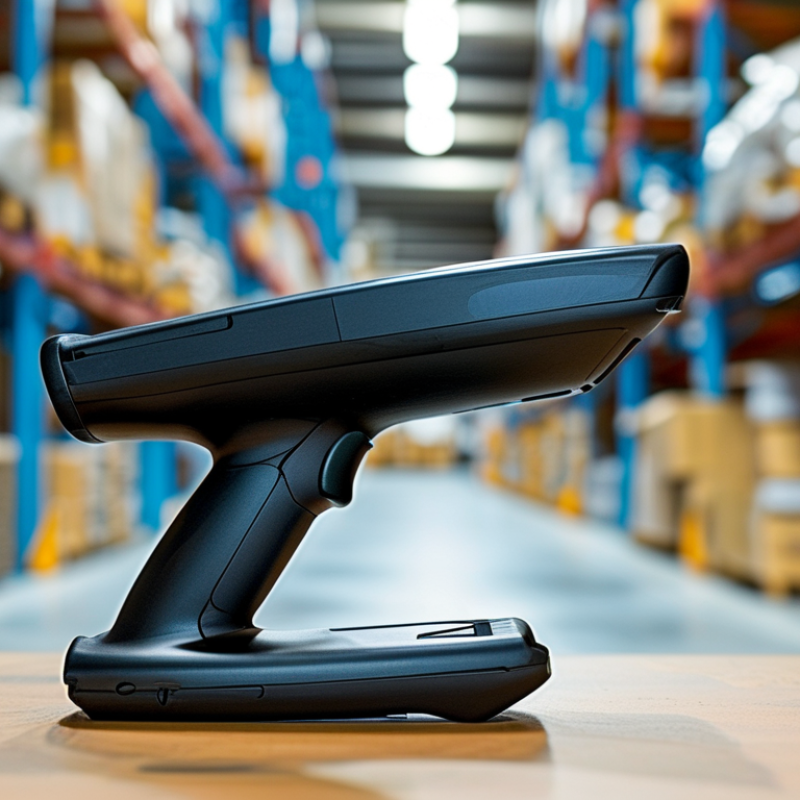
RFID UHF technology plays a crucial role in various industries, enhancing efficiency and accuracy. This technology allows for seamless data capture from tagged items through radio waves. Recent reports indicate that the RFID market is projected to grow at a CAGR of 14% from 2021 to 2026, reaching a staggering $30 billion globally. This growth highlights the increasing adoption of RFID solutions across sectors like retail, healthcare, and logistics.
Understanding the diverse applications of RFID UHF technology is essential. In retail, for example, RFID helps in inventory management and loss prevention. According to a recent study, retailers using RFID can reduce stock discrepancies by 25% or more. In healthcare, RFID enhances the tracking of medical equipment and patient data, leading to improved patient care. However, challenges remain. Issues such as signal interference and privacy concerns need addressing for broader adoption.
The reliability of RFID systems largely depends on the environment in which they operate. Factors like metal surfaces or liquids can disrupt signals. Continuous improvement in tag design and reader technology is imperative. Addressing these complexities can lead to more efficient implementations. Investing in training for staff is also critical to maximize the benefits of RFID systems in any organization.
When selecting a wireless RFID UHF Bluetooth scanner, consider key features carefully. The scanning range is crucial. A longer range allows you to scan items from a distance, boosting efficiency. Look for devices that support multiple frequency bands. This flexibility ensures compatibility with various tags and environments.
Another important feature is battery life. A scanner that runs out of power during use can disrupt operations. Aim for models with long-lasting batteries or those that have quick charging options. Durability is also essential. A robust design will withstand drops and harsh conditions. Lightweight scanners are easier to handle during prolonged usage.
Connectivity options are vital too. Make sure the scanner can easily pair with your devices. Smooth data transfer is key for efficient inventory management. Additionally, consider software compatibility. Test the scanner with your existing systems to avoid future issues. Reflect on your specific needs to make the right choice.
When evaluating wireless RFID UHF Bluetooth scanners, understanding different brands and models is crucial. Market research shows a significant increase in RFID technology adoption, with a projection of a 23% growth rate from 2022 to 2027. This growth indicates diverse options for businesses. The key is to prioritize functionality over brand names.
Different models can vary significantly in read range and accuracy. Some scanners achieve ranges of up to 30 feet, while others excel with more compact designs for ease of use. Studies highlight that users often experience dissatisfaction when they fail to evaluate the specific needs of their operations. Features like battery life and connection stability also matter, yet can be overlooked in purchasing decisions.
User feedback often reveals a gap between expectations and reality. While many prefer versatile models, few consider how environmental factors may impact performance. Professionals should approach their selection process by assessing real-world usability and not just specifications. Engaging with user reviews and case studies can provide insights into the daily reliability of a scanner, guiding more effective purchasing decisions in a competitive market.
When choosing a wireless RFID UHF Bluetooth scanner, assessing battery life, range, and durability is crucial. Battery life greatly impacts operational efficiency. A scanner with a long-lasting battery minimizes downtime. Look for models that provide at least eight hours of continuous use. Frequent charging can hinder workflows and frustrate users.
Range is another key factor. A good scanner should effectively read tags from a distance. Optimal range often varies between models, so checking specifications is essential. For instance, certain environments may necessitate more extended ranges due to obstacles or interference. Ensure the scanner you choose meets your specific operational needs.
Durability is also critical. Handheld scanners often face rough handling. Look for options designed to withstand drops and spills. A robust case or protective features can greatly enhance longevity. Users should consider their work environment when evaluating durability. Scanners that are not resilient may lead to costly replacements. Each aspect— battery life, range, and durability—plays a significant role in overall satisfaction and efficiency.
When selecting a wireless RFID UHF Bluetooth scanner, compatibility with existing systems is crucial. Many businesses already have software solutions in place that track inventory or manage asset data. According to a report from RFID Journal, 70% of companies face challenges when integrating new scanning technology with their legacy systems. This barrier can lead to increased costs and unanticipated downtime.
Understanding your current software ecosystem can play a pivotal role in this decision. If your system relies on specific input formats, ensuring that your scanner can support these formats is essential. Additionally, consider the data transfer speeds. Research indicates that devices with slower data processing can lead to significant bottlenecks. In environments with high transaction volumes, it is crucial to choose a scanner that maintains efficiency.
Testing your potential scanner for interoperability with your existing systems can highlight unforeseen gaps. This process often reveals limitations that may not be immediately apparent. For example, a scanner may read tags effectively, but fail to sync data correctly with your inventory management software. These nuances can impact overall productivity. Always consult with experts during the evaluation to mitigate common integration issues.
„Thanks to the LUVIR technology, the solder resist process could be switched directly from the previously used mask exposure to direct exposure. As an outstanding digital solution on the market, this technology has been able to demonstrate fast process times and superior quality on our certified conventional ink in production. This allowed us to fully digitize the solder mask process at low cost – without process or ink adjustments. An excellent benefit to our production in Rot am See.“
Ralf Göhringer (Head of Production WE Rot am See)
I would definitely recommend the Limata machine and team for a future company purchase
Michael Greenaway
Compunetics Inc.
“The Limata ldi has been amazing!! Best thing we did was buy this machine”
Richard Brady
GM
Circuitlabs
“Since 2019, we have been running the Limata X1000 LDI system (including LUVIR for solder mask imaging) in daily production as an addition to our current process with film. The machine was capable of properly exposing Taiyo PSR-4000 BN (DI) solder mask types on normal to high-copper boards using a new and unique direct imaging process. The machine operating interface is very user friendly which allowed for a quick technical training curve. The pre-registration processing reduced several seconds of production time at every print. Limata support and service staff is incomparable. They supported our team every step of the way at basically any time of the day or night, with literally, an immediate response time, customizing the software interface to best fit our Operations and needs.
We have exposed more than 8,000 prints since end of October, on various solder mask colors and some resist film panels. Limata, has proven to be very capable and innovative. They are a strong contender in the industry.
We have very much enjoyed this project, and working with the team!
Thank you Limata for the continued support and being a part of our growth.”
Bill Sezate
Vice President, GM
Summit Interconnect
As a replacement to our current contact exposure process with film, the LIMATA X2000 system including LUVIR-Technology was capable of properly exposing non-LDI solder mask types using a direct imaging process. The machine offers cutting edge software with a very intuitive operating interface which allowed for quick technician training curve. The dual drawer system combined with pre-registration processing reduced several seconds of production time at every machine cycle. Limata support and service staff is world class. They added software patches to keep production running at shortest possible response times, customized the software interface to best fit our in-house Operations system, and even wrote a step-by-step machine processing manual. As a result of the project, we have exposed more than 16,000 times on various product types and solder mask brands/colors. Limata, in a very short timeframe as a company, has definitely shown they are truly innovative and will be challenging the industry of direct imaging for the top spot.
Kevin Beattie
Process Engineer
TTM Technologies
Forest Grove Division
