Choosing the right Long Lifespan Capacitor can be challenging. Capacitors play a crucial role in electronic devices. They store and release energy, affecting performance and efficiency. Selecting a capacitor requires knowledge of specifications and applications.
Not all capacitors are created equal. Long Lifespan Capacitors are preferred for their durability and reliability. They provide stable performance over extended periods. This reduces the need for frequent replacements. However, understanding the right type for your needs is essential.
You must consider factors like voltage rating, temperature resistance, and size. Each detail impacts the capacitor's longevity and efficiency. Balancing specifications with specific project requirements can be tricky. Sometimes, even experts overlook critical points. Making an informed choice can enhance the longevity of your devices.
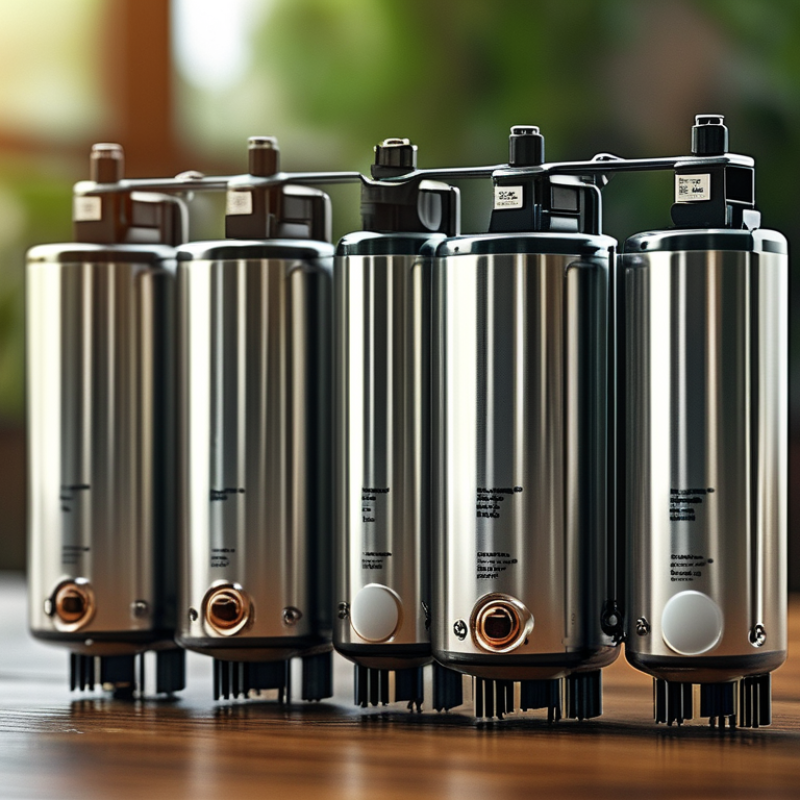
Choosing the right capacitor essentially hinges on understanding its lifespan. Capacitor lifespan isn't merely a number; it's intricately tied to temperature, voltage, and overall application. Elevated temperatures can accelerate aging. For example, a capacitor rated for 105°C might degrade faster in consistently high heat. It’s crucial to assess the environment where the capacitor will function.
Another major factor is voltage. Operating a capacitor at or near its rated voltage can shorten its life. Exceeding ratings due to surges or spikes can pose serious risks. Deliberate miscalculations can lead to premature failure. Analyze your circuit’s requirements meticulously. This ensures longevity.
Durability is also influenced by capacitor type. Electrolytic capacitors generally have shorter lifespans compared to ceramic options. Selecting the right type means considering the trade-offs. For example, ceramic capacitors might be more reliable but can be limited in capacitance. Evaluate your specific needs and don’t ignore manufacturer specifications. Some claims seem too good to be true; research thoroughly.
Choosing the right long lifespan capacitors requires understanding the various types available. There are several types, including aluminum electrolytic, ceramic, and tantalum capacitors. Each type has its own strengths and weaknesses. Aluminum electrolytic capacitors are commonly used for power supply applications due to their high capacitance values. However, they might have limited reliability in extreme conditions.
Ceramic capacitors are known for their stability and reliability. They are excellent for high-frequency applications. However, they may have lower capacitance values compared to electrolytics. Tantalum capacitors offer superior performance in terms of size and reliability. They are suitable for compact designs but can be more expensive.
**Tips:**
When selecting capacitors, consider the voltage rating and temperature range. Check the manufacturer's specifications to ensure compatibility with your circuit. Always account for ripple current ratings. This can greatly affect the lifespan of your capacitors.
Reflecting on your needs can clarify your choice. If you often encounter failures, review the environmental conditions. It may be worth investing in higher quality capacitors. Your long-term goals should guide your decision.
When selecting capacitors, understanding voltage ratings is critical. Voltage ratings denote the maximum voltage the capacitor can handle without risk of failure. Exceeding this limit risks catastrophic failure. Consider your application’s requirements before choosing a capacitor. Ensure the selected voltage rating comfortably exceeds normal operating conditions. This acts as a safety buffer.
Temperature tolerance is equally vital. Capacitors operate within specific temperature ranges. High temperatures can lead to quicker degradation. Low temperatures may impact performance. Aligning the capacitor's temperature rating with your environment ensures longevity. This foresight can prevent unexpected failures in critical applications.
**Tips:** Always review the datasheet for specific voltage and temperature ratings. If you're operating in extreme conditions, choose components with wider tolerances. Testing under your unique conditions can provide insight into potential challenges.
| Capacitor Type | Voltage Rating (V) | Temperature Tolerance (°C) | Lifespan (Hours at Max Temp) | Applications |
|---|---|---|---|---|
| Electrolytic Capacitor | 16V | 85°C | 2000 | Power Supplies, Audio Equipment |
| Ceramic Capacitor | 50V | 125°C | 5000 | RF Circuits, Filters |
| Tantalum Capacitor | 25V | 105°C | 3000 | Mobile Devices, Computing |
| Film Capacitor | 400V | 85°C | 10000 | Industrial Equipment, Power Electronics |
Choosing the right capacitors for your applications involves understanding specific needs. Different applications have varying requirements based on voltage, capacitance, and environment. For example, high-frequency applications demand capacitors that can handle rapid changes. This nuanced understanding ensures reliability in final products.
When assessing requirements, consider the operating conditions. Temperature fluctuations and humidity can affect capacitor lifespan. Materials play a crucial role too. Some capacitors excel in harsh conditions, while others are tailored for stable environments. Look beyond basic specifications. A capacitor's physical size and shape can impact installation and performance.
It's essential to review and reflect on past projects to inform decisions. What worked? What didn't? Documentation can highlight trends and help in future selections. Engaging with industry professionals may provide fresh insights. These discussions can uncover hidden considerations that aren't always apparent.
When choosing capacitors, evaluating the manufacturer's reputation is crucial. A reliable manufacturer often indicates high-quality products. Research their history and customer feedback to gauge trustworthiness. Look for reviews from independent sources, which provide an unbiased view. This research can save you from future issues.
Warranty options are another important factor. A longer warranty suggests that a manufacturer stands behind its products. However, not all warranties are equal. Some may have fine print that limits your protection. Understanding the terms is essential. A warranty can serve as a safety net, but it should not be the sole reason to buy.
Consider reaching out to industry experts or forums for advice. They can offer insights that online reviews may miss. Engaging with a community can refine your choices. Every decision carries risks, and it’s vital to reassess your options regularly. Capacitors may seem straightforward, yet their impact can be significant. A thoughtful approach leads to better results.
„Thanks to the LUVIR technology, the solder resist process could be switched directly from the previously used mask exposure to direct exposure. As an outstanding digital solution on the market, this technology has been able to demonstrate fast process times and superior quality on our certified conventional ink in production. This allowed us to fully digitize the solder mask process at low cost – without process or ink adjustments. An excellent benefit to our production in Rot am See.“
Ralf Göhringer (Head of Production WE Rot am See)
I would definitely recommend the Limata machine and team for a future company purchase
Michael Greenaway
Compunetics Inc.
“The Limata ldi has been amazing!! Best thing we did was buy this machine”
Richard Brady
GM
Circuitlabs
“Since 2019, we have been running the Limata X1000 LDI system (including LUVIR for solder mask imaging) in daily production as an addition to our current process with film. The machine was capable of properly exposing Taiyo PSR-4000 BN (DI) solder mask types on normal to high-copper boards using a new and unique direct imaging process. The machine operating interface is very user friendly which allowed for a quick technical training curve. The pre-registration processing reduced several seconds of production time at every print. Limata support and service staff is incomparable. They supported our team every step of the way at basically any time of the day or night, with literally, an immediate response time, customizing the software interface to best fit our Operations and needs.
We have exposed more than 8,000 prints since end of October, on various solder mask colors and some resist film panels. Limata, has proven to be very capable and innovative. They are a strong contender in the industry.
We have very much enjoyed this project, and working with the team!
Thank you Limata for the continued support and being a part of our growth.”
Bill Sezate
Vice President, GM
Summit Interconnect
As a replacement to our current contact exposure process with film, the LIMATA X2000 system including LUVIR-Technology was capable of properly exposing non-LDI solder mask types using a direct imaging process. The machine offers cutting edge software with a very intuitive operating interface which allowed for quick technician training curve. The dual drawer system combined with pre-registration processing reduced several seconds of production time at every machine cycle. Limata support and service staff is world class. They added software patches to keep production running at shortest possible response times, customized the software interface to best fit our in-house Operations system, and even wrote a step-by-step machine processing manual. As a result of the project, we have exposed more than 16,000 times on various product types and solder mask brands/colors. Limata, in a very short timeframe as a company, has definitely shown they are truly innovative and will be challenging the industry of direct imaging for the top spot.
Kevin Beattie
Process Engineer
TTM Technologies
Forest Grove Division
