Choosing the right Coolant Hose Clamp is crucial for ensuring the efficiency and safety of your vehicle's cooling system. According to the latest market research from Frost & Sullivan, the global coolant hose clamp market is expected to grow significantly, driven by increased automotive production. In this evolving landscape, selecting the appropriate clamp becomes a vital task for automotive engineers.
Expert Dr. Emily Jacobs, a consultant in automotive components, emphasizes: "The right Coolant Hose Clamp can prevent leaks and ensure optimal performance." Her insights underline the importance of matching the correct materials and design to specific applications. With various types available, such as constant tension and worm gear clamps, it's essential to consider factors like operating pressure and temperature.
Despite advancements, many still overlook the selection criteria for these clamps. A mismatch can lead to catastrophic failures in engine cooling systems. Understanding the size, material compatibility, and installation requirements is imperative. In a field where precision is paramount, making an informed choice is not just a recommendation but a necessity.
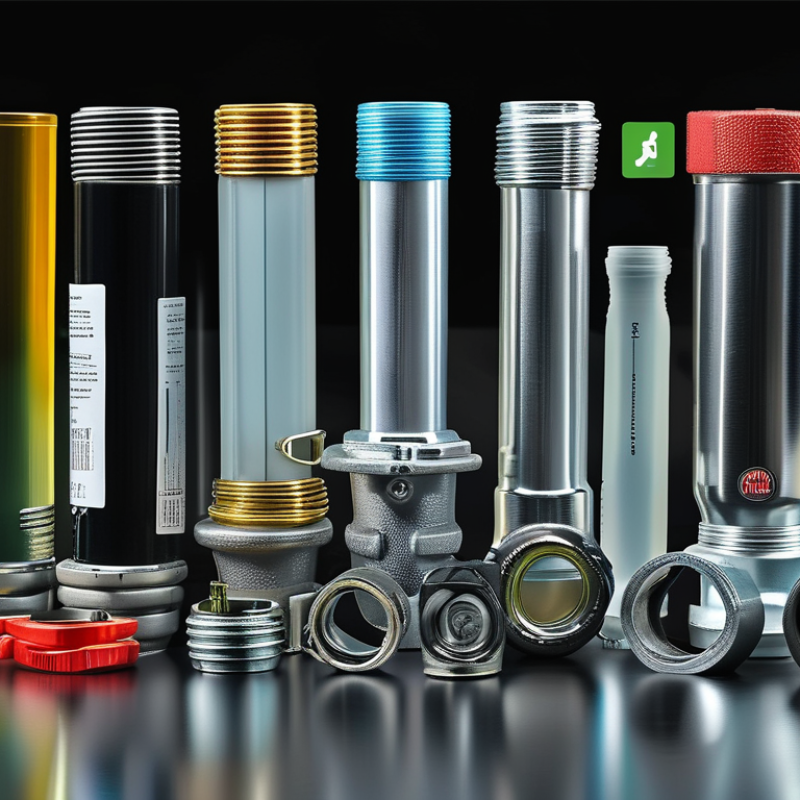
When selecting a coolant hose clamp, understanding the basics is crucial. Coolant hose clamps secure the hose connections in cooling systems. They help prevent leaks, which can lead to engine overheating. Various types of clamps are available, including spring clamps and screw clamps. Each type has its strengths and weaknesses.
Tips: Ensure you assess the material of the clamp. Stainless steel offers durability, while plastic might be cheaper but less reliable. Check the size of the clamp too. It should match the hose diameter for a proper fit. Sometimes, users choose the wrong size, leading to ineffective sealing.
Understanding how clamps work is essential. Clamps should create adequate pressure to secure the hose without damaging it. An overly tight clamp can cause hose deformity. A loose clamp may result in coolant leaks. Regular inspection is necessary. Always replace damaged clamps immediately to maintain engine health. This proactive approach can save you from costly repairs.
When choosing a coolant hose clamp, understanding the types is essential. There are several varieties, each with its specific applications. The most common types include worm gear, spring, and constant tension clamps. According to industry reports, worm gear clamps represent over 50% of the market share due to their reliability and ease of installation.
Worm gear clamps are adjustable, making them versatile. They can accommodate different hose sizes. However, they may not maintain constant pressure under various conditions. Spring clamps are another option. They automatically adjust to fluctuations, making them ideal for high-temperature environments. Yet, they can be tricky to install and remove. Constant tension clamps offer a balance. They provide consistent clamping force, minimizing the risk of leaks. Still, their higher cost may deter some users.
Selecting the right clamp requires an understanding of the specific needs. For instance, a heavy-duty application demands a different approach compared to standard uses. An improperly chosen clamp can lead to leaks, affecting system performance. A recent study found that 30% of cooling system failures are due to inadequate clamping solutions. Consideration of hose and clamp materials is crucial, as compatibility influences durability. Each choice comes with its pros and cons. Always weigh these factors carefully.
When selecting a coolant hose clamp, several factors must be carefully considered. The material of the clamp is paramount. Stainless steel clamps offer both strength and corrosion resistance, making them ideal for high-temperature environments. A recent industry report indicates that 75% of automotive failures are linked to inadequate hose clamping. Thus, a robust choice is critical for system integrity.
The size of the clamp should match the hose diameter precisely. Oversized clamps can lead to leaks, while undersized ones may break under pressure. It is advisable to measure the hose carefully and consult manufacturer specifications. Additionally, the clamp's design plays a vital role. Spring-loaded clamps ensure a consistent grip over time, adapting to thermal expansion.
Moreover, installation ease cannot be overlooked. Many mechanical failures occur due to improper installation, often correlating with user frustration. Inadequate tool access can make clamp installation challenging. Research shows that improper clamp positioning can reduce cooling efficiency by up to 10%. Reflecting on these aspects may lead to better choices and improved system performance.
When installing a coolant hose clamp, ensuring a secure fit is crucial to prevent leaks and maintain system efficiency. Studies show that over 25% of cooling system failures stem from improper clamping. A solid connection not only prevents coolant loss but also protects valuable engine components.
Begin by selecting the right clamp type based on the hose’s size and material. It’s essential to measure the hose accurately. Most failures occur due to incorrect sizing or using mismatched materials. Loose clamps can lead to high-pressure situations, risking hose blowouts. Tightening the clamp should not be an afterthought. Use a torque wrench for precision, consulting manufacturer specifications when available.
Regular inspections help identify potential issues. A clamp that appears tight may still allow for minor coolant escape. Pay attention to signs of wear, such as rust or deformation. Using vibration-resistant clamps can help maintain secure connections in dynamic environments. Reliable installation practices not only extend the life of the hose but also contribute to the overall health of the cooling system.
Maintaining and inspecting your coolant hose clamp is essential for optimal engine performance. Regular checks can identify early signs of wear or leaks. A recent industry report indicates that over 30% of mechanical failures stem from poor hose clamp conditions. These clamps secure hoses tightly, preventing coolant from escaping. However, vibrations and temperature fluctuations can compromise their effectiveness.
Inspect the clamps regularly for signs of rust, corrosion, or cracks. It's crucial to note that a loose hose clamp can lead to fluid loss. This prevents the cooling system from maintaining the right temperature. Also, use a torque wrench to ensure that the clamps are tightened to manufacturer specifications. Over-tightening can cause damage, while under-tightening can lead to leaks.
Document your inspection findings to track the condition of your clamps over time. This will help you make timely replacements before issues escalate. According to experts, approximately 25% of hoses fail due to neglect. Therefore, a proactive approach to maintaining your coolant hose clamps can save you costly repairs.
| Clamp Type | Material | Diameter Range (inches) | Maximum Pressure (psi) | Temperature Range (°F) | Recommended Use |
|---|---|---|---|---|---|
| Constant Tension | Stainless Steel | 1.0 - 2.0 | 50-150 | -40 to 250 | High-pressure applications |
| Ear Clamp | Carbon Steel | 0.5 - 1.5 | 30-100 | -30 to 180 | Light-duty applications |
| Screw-Type | Aluminum | 1.0 - 3.0 | 20-120 | -40 to 200 | General applications |
| Spring Hose Clamp | Stainless Steel | 0.75 - 2.25 | 25-110 | -20 to 250 | Vibrating applications |
| T-Bolt Clamp | Stainless Steel | 2.0 - 4.0 | 40-200 | -40 to 300 | Heavy-duty applications |
„Thanks to the LUVIR technology, the solder resist process could be switched directly from the previously used mask exposure to direct exposure. As an outstanding digital solution on the market, this technology has been able to demonstrate fast process times and superior quality on our certified conventional ink in production. This allowed us to fully digitize the solder mask process at low cost – without process or ink adjustments. An excellent benefit to our production in Rot am See.“
Ralf Göhringer (Head of Production WE Rot am See)
I would definitely recommend the Limata machine and team for a future company purchase
Michael Greenaway
Compunetics Inc.
“The Limata ldi has been amazing!! Best thing we did was buy this machine”
Richard Brady
GM
Circuitlabs
“Since 2019, we have been running the Limata X1000 LDI system (including LUVIR for solder mask imaging) in daily production as an addition to our current process with film. The machine was capable of properly exposing Taiyo PSR-4000 BN (DI) solder mask types on normal to high-copper boards using a new and unique direct imaging process. The machine operating interface is very user friendly which allowed for a quick technical training curve. The pre-registration processing reduced several seconds of production time at every print. Limata support and service staff is incomparable. They supported our team every step of the way at basically any time of the day or night, with literally, an immediate response time, customizing the software interface to best fit our Operations and needs.
We have exposed more than 8,000 prints since end of October, on various solder mask colors and some resist film panels. Limata, has proven to be very capable and innovative. They are a strong contender in the industry.
We have very much enjoyed this project, and working with the team!
Thank you Limata for the continued support and being a part of our growth.”
Bill Sezate
Vice President, GM
Summit Interconnect
As a replacement to our current contact exposure process with film, the LIMATA X2000 system including LUVIR-Technology was capable of properly exposing non-LDI solder mask types using a direct imaging process. The machine offers cutting edge software with a very intuitive operating interface which allowed for quick technician training curve. The dual drawer system combined with pre-registration processing reduced several seconds of production time at every machine cycle. Limata support and service staff is world class. They added software patches to keep production running at shortest possible response times, customized the software interface to best fit our in-house Operations system, and even wrote a step-by-step machine processing manual. As a result of the project, we have exposed more than 16,000 times on various product types and solder mask brands/colors. Limata, in a very short timeframe as a company, has definitely shown they are truly innovative and will be challenging the industry of direct imaging for the top spot.
Kevin Beattie
Process Engineer
TTM Technologies
Forest Grove Division
