Choosing the right Machine Tool Castings can significantly impact your production efficiency. Industry expert, John Smith, emphasizes this point, stating, "The right castings determine the quality of your machining outcomes." With various materials and designs available, the decision can be overwhelming.
Machine Tool Castings serve as the backbone of numerous machining processes. Selecting inappropriate castings may lead to costly downtime and subpar product quality. It’s crucial to understand your specific needs and the casting properties that will meet them.
Many businesses still overlook the importance of these castings. They may sacrifice quality for cost, but this can lead to greater expenses in the long run. Reflecting on past choices can provide valuable insights. Carefully assessing your requirements will pave the way for better results.
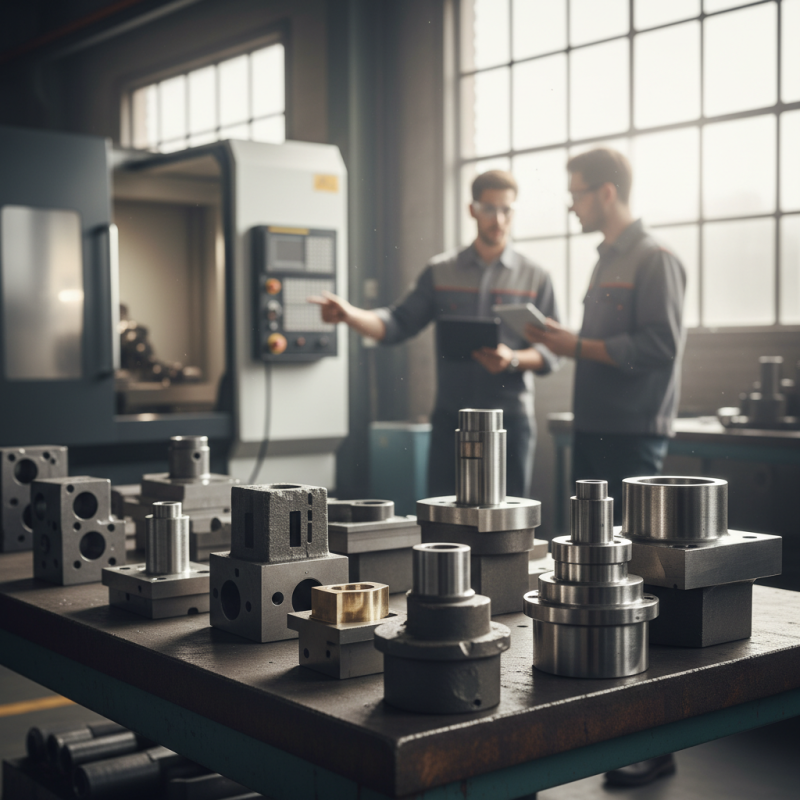
Machine tool castings play a critical role in manufacturing. They form the backbone of various machines, providing the necessary support and stability. When properly designed and fabricated, castings enhance the efficiency and longevity of equipment. However, poor choices in materials or design can lead to significant issues. Cracks and weaknesses can emerge, severely impacting production.
Choosing the right castings requires careful consideration. Look for castings that match your specific needs, such as size and weight. Assess quality by reviewing the manufacturing process. Understanding the properties of different materials can also help in making informed decisions.
Choosing the right machine tool castings requires a clear understanding of your specific needs. This involves assessing factors like the type of materials you'll be working with, the expected production volume, and the precision required. According to recent industry reports, around 30% of machine failures can be traced back to inappropriate casting materials. Thus, identifying the right specifications is crucial.
When it comes to precision machining, castings made from various alloys are essential. Consider the thermal stability and strength of the alloy. For example, ductile iron castings are often favored for their toughness and moldability. Research shows that using the appropriate material can enhance performance by up to 40% in specific machine applications.
Tips: Always consult with materials engineers to ensure you're selecting the optimal casting type. They can provide insights based on the latest data and performance benchmarks. Explore prototype casting options to test the material's suitability before committing to large runs. Keep in mind that the casting process itself may introduce variability affecting the final product's quality. Regular quality checks can mitigate potential issues. Evaluate your choices periodically to adapt to evolving technology in machine tool applications.
When selecting machine tool castings, it's crucial to evaluate the materials thoroughly. Different materials offer unique advantages. For instance, iron castings are known for durability and wear resistance. Steel castings, on the other hand, provide excellent strength and adaptability. Consider the intended application carefully; this will significantly influence your decision.
Tips: Always assess the casting’s tensile strength. Higher tensile strength means better performance under load. Additionally, look for materials with good machinability. This will simplify the manufacturing process and reduce costs.
Another factor is thermal conductivity. Materials with high thermal conductivity help dissipate heat during machining. This prevents deformation and enhances accuracy. Reflect on the environment in which you'll use the casting. A corrosive atmosphere requires materials with excellent resistance, such as specialized alloys or coatings.
Tips: Don’t overlook surface finish requirements. Smooth surfaces may be necessary for specific applications, impacting your material choice. Always balance cost with the casting's performance attributes to find the right match for your needs.
When selecting machine tool castings, assessing the manufacturer’s reputation is crucial. A reputable manufacturer usually has a strong track record. Look for industry certifications or memberships that indicate their commitment to quality. Reading customer reviews can also provide insights. However, do not rely solely on positive testimonials. Each business has its biases, and negative feedback could shed light on possible issues.
Production capabilities are equally important. Know the manufacturing processes they use. Are they using advanced techniques? What type of materials do they work with? Ensure they can handle your specific requirements. Sometimes, manufacturers may claim to be versatile but lack specialization in certain areas. This could affect the quality and durability of the castings you receive.
Tips: Always ask for samples before making a large order. This allows you to evaluate the product quality firsthand. Engage in discussions with their engineers about your project needs. This openness can reveal their level of expertise. Remember that communication is key. If a manufacturer is responsive, it often reflects their commitment to customer service. These steps can save you from future disappointments.
When budgeting for machine tool castings, understanding your specific needs is crucial. The cost of castings can vary widely based on material, size, and complexity. Evaluate the features that matter most for your operations. Do you need high precision or durability? These factors will directly influence costs.
It’s essential to account for both initial costs and long-term value. Cheaper options might save money upfront, but could lead to higher maintenance expenses later. Always consider the trade-offs. Investing in quality castings could improve efficiency and reduce downtime, which ultimately affects your bottom line.
Moreover, unexpected costs can arise. Shipping charges, delays, and customization can inflate the overall budget. Take the time to research suppliers thoroughly. Seek professionals who can provide insights based on their experience. Their expertise can guide you toward better financial decisions in the selection process. Balancing cost and quality requires careful thought and sometimes tough choices.
„Thanks to the LUVIR technology, the solder resist process could be switched directly from the previously used mask exposure to direct exposure. As an outstanding digital solution on the market, this technology has been able to demonstrate fast process times and superior quality on our certified conventional ink in production. This allowed us to fully digitize the solder mask process at low cost – without process or ink adjustments. An excellent benefit to our production in Rot am See.“
Ralf Göhringer (Head of Production WE Rot am See)
I would definitely recommend the Limata machine and team for a future company purchase
Michael Greenaway
Compunetics Inc.
“The Limata ldi has been amazing!! Best thing we did was buy this machine”
Richard Brady
GM
Circuitlabs
“Since 2019, we have been running the Limata X1000 LDI system (including LUVIR for solder mask imaging) in daily production as an addition to our current process with film. The machine was capable of properly exposing Taiyo PSR-4000 BN (DI) solder mask types on normal to high-copper boards using a new and unique direct imaging process. The machine operating interface is very user friendly which allowed for a quick technical training curve. The pre-registration processing reduced several seconds of production time at every print. Limata support and service staff is incomparable. They supported our team every step of the way at basically any time of the day or night, with literally, an immediate response time, customizing the software interface to best fit our Operations and needs.
We have exposed more than 8,000 prints since end of October, on various solder mask colors and some resist film panels. Limata, has proven to be very capable and innovative. They are a strong contender in the industry.
We have very much enjoyed this project, and working with the team!
Thank you Limata for the continued support and being a part of our growth.”
Bill Sezate
Vice President, GM
Summit Interconnect
As a replacement to our current contact exposure process with film, the LIMATA X2000 system including LUVIR-Technology was capable of properly exposing non-LDI solder mask types using a direct imaging process. The machine offers cutting edge software with a very intuitive operating interface which allowed for quick technician training curve. The dual drawer system combined with pre-registration processing reduced several seconds of production time at every machine cycle. Limata support and service staff is world class. They added software patches to keep production running at shortest possible response times, customized the software interface to best fit our in-house Operations system, and even wrote a step-by-step machine processing manual. As a result of the project, we have exposed more than 16,000 times on various product types and solder mask brands/colors. Limata, in a very short timeframe as a company, has definitely shown they are truly innovative and will be challenging the industry of direct imaging for the top spot.
Kevin Beattie
Process Engineer
TTM Technologies
Forest Grove Division
