Choosing the right plastic molding material is crucial for successful manufacturing. According to Dr. Emily Carter, a leading expert in polymer technology, "The choice of plastic molding material can dictate the product's durability and performance." Selecting the appropriate material impacts design, functionality, and cost.
Each type of plastic molding material offers unique properties. For instance, thermoplastics are versatile but may lack strength compared to thermosetting plastics. Understanding these differences is vital for making informed decisions. Engineers must consider factors like heat resistance, flexibility, and application requirements.
Many companies struggle with this choice. Common pitfalls include oversimplifying material properties or neglecting testing phases. This can lead to costly revisions down the line. Inadequate selection often results in products that fail to meet customer expectations. Thus, a thoughtful approach to choosing plastic molding material not only enhances product quality but also ensures manufacturing efficiency.
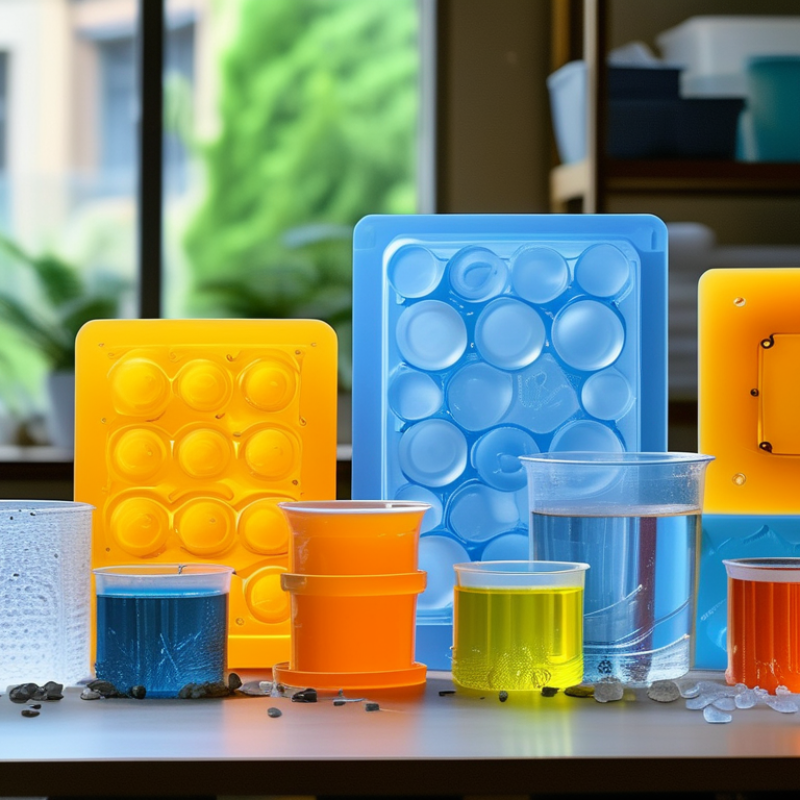
Understanding the basics of plastic molding materials is essential for making informed choices. Various factors impact the selection process. The type of plastic significantly influences durability, cost, and manufacturing methods. Polyethylene and polypropylene are popular choices due to their flexibility and affordability. According to industry surveys, around 60% of manufacturers favor these materials for everyday applications.
In addition to common options, specialized materials like polycarbonate and ABS are vital in specific sectors. Polycarbonate offers high resistance to impact, making it suitable for safety applications. ABS, on the other hand, is known for its ease of processing and excellent finishing properties. Reports indicate that the demand for engineering plastics is rising at over 5% annually, highlighting the industry's shift toward more specialized applications.
However, challenges exist. Material selection may complicate production techniques and recycling efforts. Many manufacturers struggle to balance functionality and environmental impact. The need for sustainable alternatives is growing, and research suggests that bio-based plastics could play a significant role in the future. Understanding material strengths and weaknesses is key to optimizing production while addressing these challenges.
Choosing the right plastic molding material can significantly impact your project's success. The first key factor is the application. Consider whether the material needs to withstand high temperatures or chemicals. Some applications may require flexibility, while others need rigidity. Understanding the environment in which the final product will operate is crucial.
Another important factor is the material's mechanical properties. Tensile strength, impact resistance, and durability can vary greatly between plastics. For example, some options provide excellent impact resistance but may lack chemical stability. You might even find that a compromise between cost and performance is necessary—sometimes the most affordable choice doesn't meet the required standards.
Sustainability is increasingly relevant. Recycled materials or bio-based options can reduce environmental impact. However, sourcing these materials can be challenging. Each choice requires careful thought and analysis, as the wrong material could lead to product failure. Reflecting on these factors ensures a more informed decision-making process.
Choosing the right plastic molding material can significantly impact the final product's performance. Understanding common types of plastic molding materials helps in making informed decisions.
Polyethylene (PE) is one of the most widely used materials. It's lightweight and resistant to moisture. However, its strength may not suit heavy-duty applications. Another popular choice is polypropylene (PP), known for its durability and flexibility. It's ideal for living hinges but might warp under high temperatures.
Then there's polycarbonate (PC), a high-impact resistant material. It's often used in safety applications. Yet, it can be prone to scratching. Each type carries distinct properties and trade-offs. Knowing these details helps in selecting the best option for your project needs.
When selecting the right plastic molding material, it's essential to consider the specific applications and industries involved. Different industries often require unique properties from their plastics. For instance, electronics often need materials that are resistant to heat and electricity, like polycarbonate and ABS. Reports indicate that the electronics sector is expected to grow by over 5% annually due to increased demand for advanced consumer electronics. Meanwhile, the automotive industry favors high-impact materials, like polypropylene, which is projected to dominate plastic usage in vehicles by 2025.
In the medical field, biocompatible materials such as medical-grade polyvinyl chloride (PVC) are critical for devices that come in contact with patients. A recent industry report highlighted a 7% growth in the use of plastics in medical applications, driven by innovations in plastic molding technology. This emphasizes the shift toward safer and more reliable materials in healthcare.
**Tips:** Always evaluate mechanical and thermal characteristics for the intended use. Consider the environment, such as exposure to chemicals or temperatures. If there's uncertainty, consult a specialist in plastic engineering. Ensure to analyze supply chain factors influencing lead times and availability, which can impact project timelines.
| Material Type | Common Applications | Advantages | Industries |
|---|---|---|---|
| Polypropylene (PP) | Packaging, automotive parts, textiles | Lightweight, chemical resistant, flexible | Packaging, automotive, consumer goods |
| Acrylonitrile Butadiene Styrene (ABS) | Consumer electronics, automotive parts, toys | Strong, impact-resistant, easily machinable | Electronics, household goods, automotive |
| Polyvinyl Chloride (PVC) | Pipes, fittings, vinyl flooring | Durable, weather-resistant, versatile | Construction, plumbing, electrical |
| Polyethylene Terephthalate (PET) | Bottles, food packaging, textile fibers | Recyclable, strong, lightweight | Food and beverage, textiles, packaging |
| Nylon (Polyamide) | Textiles, automotive applications, gears | High strength, wear-resistant, low friction | Textiles, automotive, machinery |
Choosing the right plastic molding material can be challenging. Cost and performance are key factors in material selection. Different materials offer varying properties, affecting durability and functionality. For instance, a less expensive material may save costs upfront but could lead to higher long-term maintenance and replacement expenses.
When evaluating materials, consider their thermal stability, tensile strength, and chemical resistance. These characteristics significantly impact product performance. Some materials perform better under stress, while others might warp at higher temperatures. This variation can lead to unexpected failures. It's critical to analyze how the material will be used in real-world applications.
While weighing your options, don’t overlook the importance of sustainability. Eco-friendly materials might have a higher initial cost but can enhance your brand’s reputation. Investing time in research can make a difference. Reflecting on past projects can reveal patterns and help you avoid previous mistakes. Take the time to understand material properties thoroughly before making a decision.
„Thanks to the LUVIR technology, the solder resist process could be switched directly from the previously used mask exposure to direct exposure. As an outstanding digital solution on the market, this technology has been able to demonstrate fast process times and superior quality on our certified conventional ink in production. This allowed us to fully digitize the solder mask process at low cost – without process or ink adjustments. An excellent benefit to our production in Rot am See.“
Ralf Göhringer (Head of Production WE Rot am See)
I would definitely recommend the Limata machine and team for a future company purchase
Michael Greenaway
Compunetics Inc.
“The Limata ldi has been amazing!! Best thing we did was buy this machine”
Richard Brady
GM
Circuitlabs
“Since 2019, we have been running the Limata X1000 LDI system (including LUVIR for solder mask imaging) in daily production as an addition to our current process with film. The machine was capable of properly exposing Taiyo PSR-4000 BN (DI) solder mask types on normal to high-copper boards using a new and unique direct imaging process. The machine operating interface is very user friendly which allowed for a quick technical training curve. The pre-registration processing reduced several seconds of production time at every print. Limata support and service staff is incomparable. They supported our team every step of the way at basically any time of the day or night, with literally, an immediate response time, customizing the software interface to best fit our Operations and needs.
We have exposed more than 8,000 prints since end of October, on various solder mask colors and some resist film panels. Limata, has proven to be very capable and innovative. They are a strong contender in the industry.
We have very much enjoyed this project, and working with the team!
Thank you Limata for the continued support and being a part of our growth.”
Bill Sezate
Vice President, GM
Summit Interconnect
As a replacement to our current contact exposure process with film, the LIMATA X2000 system including LUVIR-Technology was capable of properly exposing non-LDI solder mask types using a direct imaging process. The machine offers cutting edge software with a very intuitive operating interface which allowed for quick technician training curve. The dual drawer system combined with pre-registration processing reduced several seconds of production time at every machine cycle. Limata support and service staff is world class. They added software patches to keep production running at shortest possible response times, customized the software interface to best fit our in-house Operations system, and even wrote a step-by-step machine processing manual. As a result of the project, we have exposed more than 16,000 times on various product types and solder mask brands/colors. Limata, in a very short timeframe as a company, has definitely shown they are truly innovative and will be challenging the industry of direct imaging for the top spot.
Kevin Beattie
Process Engineer
TTM Technologies
Forest Grove Division
