Choosing the right Stainless steel Precision pipe is crucial for various applications. Dr. Emily Chen, a leading expert in materials engineering, once said, "Selecting the right pipe ensures structural integrity and longevity." Her insight highlights the importance of thoughtful selection in this field.
Stainless steel precision pipes come in various grades and specifications. Each type serves specific purposes, making the choice complex. A wrong decision can lead to issues such as corrosion or structural failures. Understanding your project's requirements is essential. Factors such as pressure ratings, temperature resistance, and chemical exposure must be considered.
It’s not just about the pipe's specifications. Quality is key. Not all manufacturers maintain high standards, and reliability varies widely. Engaging with reputable suppliers can make a significant difference. While it may seem tedious to research, it plays a crucial role in ensuring project success.
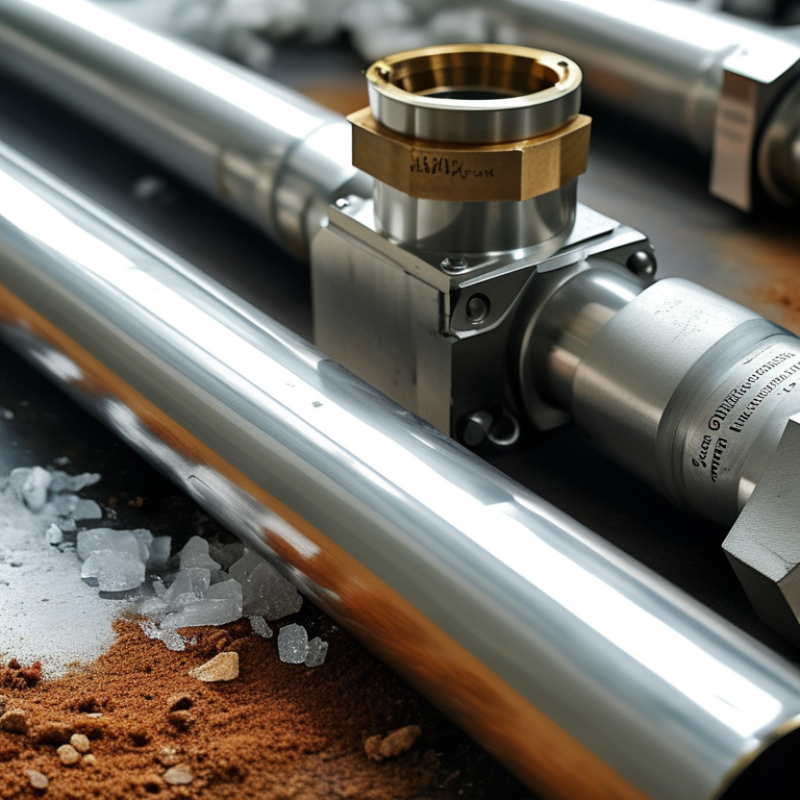
Choosing the right stainless steel precision pipe starts with understanding the various grades available. Stainless steel is categorized mainly into three groups: austenitic, ferritic, and martensitic. Each group has distinct properties that affect corrosion resistance, strength, and ductility. For example, austenitic grades, like 304 and 316, are favored for their superior corrosion resistance. They work well in food processing and chemical industries.
When selecting a stainless steel grade, consider the pipe's application, environment, and required mechanical properties. Ferritic grades are less ductile but work well in high-temperature applications. Martensitic grades offer higher strength but may be more susceptible to corrosion. Balancing these properties can be challenging. You might choose a grade that seems ideal, yet fail to account for specific environmental conditions that could undermine its performance.
Always examine the material specifications closely. Look for certifications or compliance with industry standards. Trustworthy suppliers should provide detailed information about the grade's composition and potential applications. This transparency allows you to make informed decisions. Additionally, discussing your needs with engineers or industry experts can clarify uncertainties. Engaging with specialists can reveal insights or considerations that your initial assessment overlooked.
When selecting the right stainless steel precision pipe, understanding its purpose is crucial. Many industries utilize precision pipes, including aerospace, automotive, and medical sectors. Each application has unique requirements regarding diameter, wall thickness, and corrosion resistance. Knowing the specific conditions in which the pipe will operate can guide you in making an informed choice.
For instance, in the medical field, the materials must offer high purity and biocompatibility. Aerospace applications often require pipes that maintain structural integrity under extreme conditions. It’s essential to consider these factors during the selection process. Take time to understand the environmental conditions and application needs.
Another aspect is the complexity of manufacturing processes. The production methods can impact the quality and consistency of the pipes. Sometimes, achieving the desired specifications can be challenging, requiring advancements in technology and materials. Being aware of these challenges can help set realistic expectations and ensure you choose the right pipe for your specific needs.
| Application | Material Grade | Pipe Diameter (mm) | Wall Thickness (mm) | Temperature Range (°C) | Pressure Rating (MPa) |
|---|---|---|---|---|---|
| Chemical Processing | 316L | 25 | 2.5 | -100 to 400 | 10 |
| Oil and Gas | 904L | 30 | 3.0 | -50 to 350 | 15 |
| Food and Beverage | 304L | 20 | 1.5 | -10 to 300 | 8 |
| Pharmaceuticals | 316Ti | 15 | 2.0 | -20 to 350 | 12 |
| Marine Applications | AISI 316 | 35 | 4.0 | -10 to 250 | 10.5 |
When selecting a stainless steel precision pipe, evaluating pipe dimensions and tolerances is crucial. Precision tubes often feature tighter tolerances than standard pipes, which makes them ideal for specific applications. According to industry reports, precision pipes are manufactured to tolerances as low as ±0.05 mm, ensuring a consistent fit in high-performance environments.
Pipe dimensions, including diameter and wall thickness, significantly impact performance. A common mistake is underestimating the effects of slightly larger or smaller dimensions on fluid dynamics. For example, a minor increase in diameter can reduce flow resistance. Conversely, a thicker wall may provide enhanced durability but increase weight. Consider your application's unique requirements.
Tip: Always measure twice before ordering. Verify the specified tolerances with your supplier to avoid costly errors. Ensure that you check for any industry standards that may apply to your project. Often, understanding the implications of tolerances on manufacturing processes is overlooked. Take the time to reflect on how these details can affect your final product's effectiveness.
This chart illustrates typical specifications for stainless steel precision pipes, including outer diameter, wall thickness, length, and tolerance. Selecting the right dimensions and tolerances is crucial for ensuring optimal performance in various applications.
When selecting stainless steel precision pipes, manufacturing processes play a crucial role in determining quality. Techniques such as cold drawing and heat treatment can significantly affect the pipe's mechanical properties. According to a report by the International Stainless Steel Forum, precision pipes produced through cold working can achieve a tensile strength over 700 MPa, which is essential for high-pressure applications.
The level of precision during manufacturing also impacts overall performance. A deviation of just a few micrometers can lead to leaks in critical systems. Similarly, improper welding methods may result in weak joints. It is important to evaluate the manufacturer’s capability to ensure they adhere to strict quality control standards. The ASTM International sets guidelines that must be followed for optimal results.
Though many manufacturers strive for excellence, defects can still occur. Reports indicate that up to 7% of manufactured pipes may fail to meet specifications based on inadequate inspection methods. This raises concerns about reliance on certain processes. Buyers should consider suppliers with comprehensive testing protocols, such as non-destructive testing. Such practices can help catch errors before the product reaches the market.
When choosing a stainless steel precision pipe, cost plays a significant role. You need to compare prices from multiple suppliers. A lower price may indicate lower quality. However, that doesn't mean you should go for the most expensive option. Look for a balance. A reasonable cost combined with good quality is ideal.
Supplier reputation is crucial. Research their history and feedback from other customers. A reputable supplier often has consistent quality. Check their previous projects or case studies to gauge reliability. Reviews and testimonials can provide insights. Don’t overlook communication; a responsive supplier can make a difference in your experience.
Delivery time is often underestimated. Delays can forestall your project timelines. Confirm lead times before finalizing your order. Some suppliers promise quick delivery but fail to meet deadlines. It’s wise to have a cushion in your planning. Moreover, consider future needs. A reliable supplier can be a long-term partner, offering stability amid changing demands.
„Thanks to the LUVIR technology, the solder resist process could be switched directly from the previously used mask exposure to direct exposure. As an outstanding digital solution on the market, this technology has been able to demonstrate fast process times and superior quality on our certified conventional ink in production. This allowed us to fully digitize the solder mask process at low cost – without process or ink adjustments. An excellent benefit to our production in Rot am See.“
Ralf Göhringer (Head of Production WE Rot am See)
I would definitely recommend the Limata machine and team for a future company purchase
Michael Greenaway
Compunetics Inc.
“The Limata ldi has been amazing!! Best thing we did was buy this machine”
Richard Brady
GM
Circuitlabs
“Since 2019, we have been running the Limata X1000 LDI system (including LUVIR for solder mask imaging) in daily production as an addition to our current process with film. The machine was capable of properly exposing Taiyo PSR-4000 BN (DI) solder mask types on normal to high-copper boards using a new and unique direct imaging process. The machine operating interface is very user friendly which allowed for a quick technical training curve. The pre-registration processing reduced several seconds of production time at every print. Limata support and service staff is incomparable. They supported our team every step of the way at basically any time of the day or night, with literally, an immediate response time, customizing the software interface to best fit our Operations and needs.
We have exposed more than 8,000 prints since end of October, on various solder mask colors and some resist film panels. Limata, has proven to be very capable and innovative. They are a strong contender in the industry.
We have very much enjoyed this project, and working with the team!
Thank you Limata for the continued support and being a part of our growth.”
Bill Sezate
Vice President, GM
Summit Interconnect
As a replacement to our current contact exposure process with film, the LIMATA X2000 system including LUVIR-Technology was capable of properly exposing non-LDI solder mask types using a direct imaging process. The machine offers cutting edge software with a very intuitive operating interface which allowed for quick technician training curve. The dual drawer system combined with pre-registration processing reduced several seconds of production time at every machine cycle. Limata support and service staff is world class. They added software patches to keep production running at shortest possible response times, customized the software interface to best fit our in-house Operations system, and even wrote a step-by-step machine processing manual. As a result of the project, we have exposed more than 16,000 times on various product types and solder mask brands/colors. Limata, in a very short timeframe as a company, has definitely shown they are truly innovative and will be challenging the industry of direct imaging for the top spot.
Kevin Beattie
Process Engineer
TTM Technologies
Forest Grove Division
