Choosing the right Agv Vehicle Robot is crucial for modern businesses. These robots can significantly enhance efficiency in logistics, manufacturing, and warehousing. However, selecting the best option can be challenging. Each AGV vehicle robot offers different features, capabilities, and systems.
Businesses must consider various factors, like the size of their facility and operational needs. Understanding these parameters ensures that the chosen robot fits seamlessly into existing workflows. For instance, some AGVs are better suited for narrow aisles, while others excel in larger spaces.
Moreover, not every AGV vehicle robot will meet all requirements. Issues such as maintenance, TIme, and cost can impact decisions. Balancing these aspects is essential. Organizations should evaluate their long-term goals, current challenges, and available resources. Making an informed choice will lead to improved productivity and ROI.
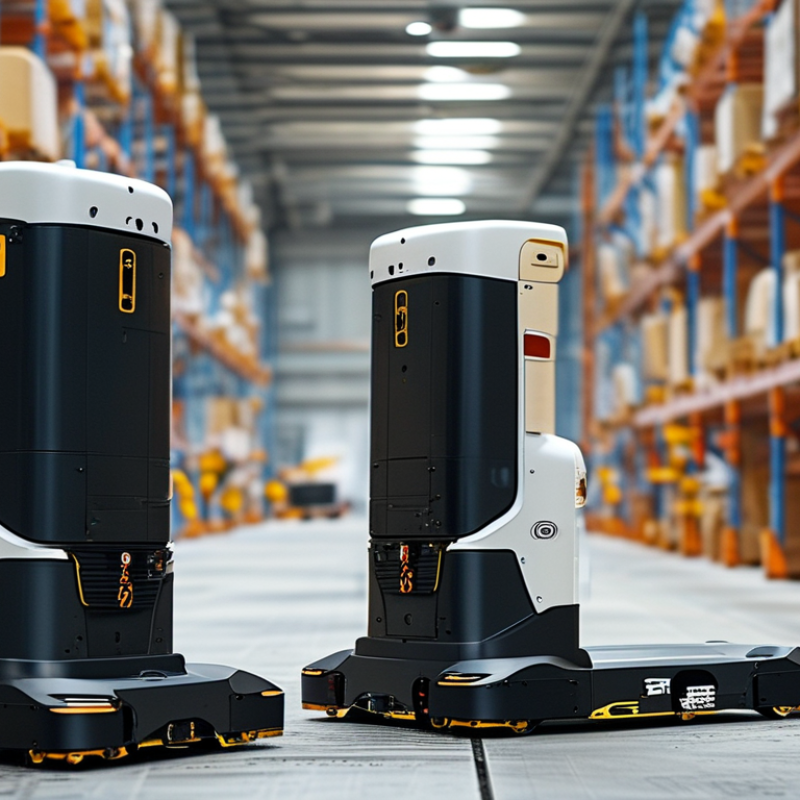
Automated Guided Vehicle (AGV) robots are transforming how businesses operate. Understanding their types and applications is essential. There are several categories of AGVs, each designed to serve specific purposes. For instance, some AGVs are designed for material transport, while others handle inventory management. Each type varies in technology and capability, impacting their efficiency in a business environment.
Applications of AGVs span diverse industries. In manufacturing, they streamline production processes by transporting components between assembly lines. In warehouses, they optimize storage and retrieval operations. These robots operate with varying levels of autonomy, influencing their implementation. Relying solely on one type may not be ideal, as each business has unique needs and workflows.
While AGVs offer numerous advantages, challenges exist. Integration into existing systems can be complex. Workforce training is also necessary to ensure smooth operation. Businesses must weigh the benefits against potential issues. Selecting the best AGV requires careful analysis of specific operational needs. It's vital to assess how different AGV types fit within a company's logistics strategy.
When selecting the best Automated Guided Vehicle (AGV) for your business, understanding your specific workflow and environment is crucial. Every operation is unique, and so are its requirements. Consider the layout of your facility. Is it open or does it have tight aisles? This affects the size and maneuverability of the AGV.
Evaluate the types of materials the AGV will transport. Heavy loads may require a rugged model, while lighter duties can be managed with simpler designs. Factors like floor conditions, noise levels, and potential obstacles in the pathway should also be analyzed. Take note of peak operation times. Will the AGV work alongside other machines? Understanding these dynamics can help avoid operational bottlenecks.
**Tips:** Regularly assess your workflow. Engage with employees who handle material transport daily. Their feedback can highlight practical needs. Monitor how often the workload fluctuates. This will guide decisions on whether a fixed or flexible AGV is suitable. Consult with experts to validate your findings, ensuring a more informed choice. Your business deserves a solution that enhances efficiency and safety.
| Evaluation Criteria | Description | Importance Level | Response Type |
|---|---|---|---|
| Load Capacity | The maximum weight the AGV can handle. | High | Numeric |
| Navigation Type | Method used for AGV navigation (e.g., laser, magnetic, natural feature). | Medium | Descriptive |
| Battery Life | Duration AGV can operate on a single charge. | High | Numeric (hours) |
| Speed | Maximum operational speed of the AGV. | Medium | Numeric (m/s) |
| Integration | Ease of integrating AGV with existing systems. | High | Descriptive |
| Safety Features | Safety technologies to prevent accidents and protect workers. | High | Yes/No |
| Cost of Ownership | Total cost including purchase, maintenance, and operational costs. | Medium | Numeric (currency) |
When choosing an Automated Guided Vehicle (AGV) for your business, several key features must be evaluated. The type of navigation technology is crucial. Do you require laser-based, magnetic, or optical guidance? Each method has its strengths. Your operational environment also matters. A robust AGV can handle diverse terrains and obstacles. Flexibility in design allows for seamless integration into existing workflows.
Another essential feature is load capacity. Ensure the AGV can transport your heaviest items safely. Battery life is equally important. A vehicle that runs out of power frequently may disrupt operations. Consider additional features like emergency stop systems and obstacle detection. These enhance safety, but may add to costs.
Customization should be taken into account. The ability to adapt the AGV's software for specific tasks can be a game-changer. Think about future scalability as well, especially if you plan to expand operations. Sometimes, businesses opt for cheaper options, only to find they lack needed upgrades over time. Reflect on your long-term needs to avoid potential regrets.
When budgeting for AGV (Automated Guided Vehicle) robots, it’s essential to analyze all associated costs. The initial purchase price is just one aspect. Consider maintenance and operational expenses, as they add up over time. Installation costs can also vary widely, affecting your total budget.
Tips for budgeting include conducting a thorough cost-benefit analysis. Compare the expected efficiency gains against the investment. Look beyond just the price tag—evaluate the life cycle of the robot and its long-term value. It may seem daunting, but this evaluation is critical for making an informed decision.
Also, think about training expenses. Introducing AGVs means your team may require specialized training. Factor in these costs when planning your budget. Often overlooked, this can lead to challenges down the line. Reflect on the potential hidden costs as you plan. Without careful consideration, your budget could spiral unexpectedly, impacting your bottom line.
When selecting an Automated Guided Vehicle (AGV) for your operations, considering support and servicing options is crucial. AGVs can boost efficiency, but their performance relies heavily on consistent maintenance. A reliable service provider can help minimize downtime, allowing your business to maintain productivity. Make sure to assess the availability of local support teams and the response time for service requests.
Evaluate whether the provider offers comprehensive training for your staff. Proper training ensures that operators can troubleshoot minor issues swiftly. Mistakes in operation can cause damage or delays. Regular maintenance schedules and spare parts availability are key aspects to consider, as they affect ongoing operational efficiency.
Consider the different levels of support provided. Some companies offer 24/7 help lines, while others may limit assistance to working hours. It’s important to understand what level of support fits your specific needs. An online forum or community for users can provide additional insights and troubleshooting support. Ultimately, a well-structured service plan can enhance the reliability of your AGV system.
This chart illustrates the efficiency scores of various dimensions important for selecting an AGV vehicle robot. The scores range from 1 to 10, reflecting the performance of each dimension, such as autonomous navigation, load capacity, battery life, speed, and service support. This data can help in making informed decisions based on operational needs.
„Thanks to the LUVIR technology, the solder resist process could be switched directly from the previously used mask exposure to direct exposure. As an outstanding digital solution on the market, this technology has been able to demonstrate fast process times and superior quality on our certified conventional ink in production. This allowed us to fully digitize the solder mask process at low cost – without process or ink adjustments. An excellent benefit to our production in Rot am See.“
Ralf Göhringer (Head of Production WE Rot am See)
I would definitely recommend the Limata machine and team for a future company purchase
Michael Greenaway
Compunetics Inc.
“The Limata ldi has been amazing!! Best thing we did was buy this machine”
Richard Brady
GM
Circuitlabs
“Since 2019, we have been running the Limata X1000 LDI system (including LUVIR for solder mask imaging) in daily production as an addition to our current process with film. The machine was capable of properly exposing Taiyo PSR-4000 BN (DI) solder mask types on normal to high-copper boards using a new and unique direct imaging process. The machine operating interface is very user friendly which allowed for a quick technical training curve. The pre-registration processing reduced several seconds of production time at every print. Limata support and service staff is incomparable. They supported our team every step of the way at basically any time of the day or night, with literally, an immediate response time, customizing the software interface to best fit our Operations and needs.
We have exposed more than 8,000 prints since end of October, on various solder mask colors and some resist film panels. Limata, has proven to be very capable and innovative. They are a strong contender in the industry.
We have very much enjoyed this project, and working with the team!
Thank you Limata for the continued support and being a part of our growth.”
Bill Sezate
Vice President, GM
Summit Interconnect
As a replacement to our current contact exposure process with film, the LIMATA X2000 system including LUVIR-Technology was capable of properly exposing non-LDI solder mask types using a direct imaging process. The machine offers cutting edge software with a very intuitive operating interface which allowed for quick technician training curve. The dual drawer system combined with pre-registration processing reduced several seconds of production time at every machine cycle. Limata support and service staff is world class. They added software patches to keep production running at shortest possible response times, customized the software interface to best fit our in-house Operations system, and even wrote a step-by-step machine processing manual. As a result of the project, we have exposed more than 16,000 times on various product types and solder mask brands/colors. Limata, in a very short timeframe as a company, has definitely shown they are truly innovative and will be challenging the industry of direct imaging for the top spot.
Kevin Beattie
Process Engineer
TTM Technologies
Forest Grove Division
