Selecting the right Bar Code Reader can significantly impact your business operations. With various models available, it's essential to understand your specific needs. Each type of reader has unique features tailored for different environments, such as retail or warehouse use.
Consider factors like scanning speed, connectivity options, and durability when making your choice. Some readers may excel in quick scans, while others might focus on ruggedness for harsh settings. A reliable Bar Code Reader should enhance efficiency and reduce errors in inventory management.
However, it's important to recognize that not every solution fits all businesses. Careful evaluation of your workflow and customer demands is key. Reflecting on these aspects will help you choose a Bar Code Reader that aligns with your operational goals without overspending on unnecessary features.
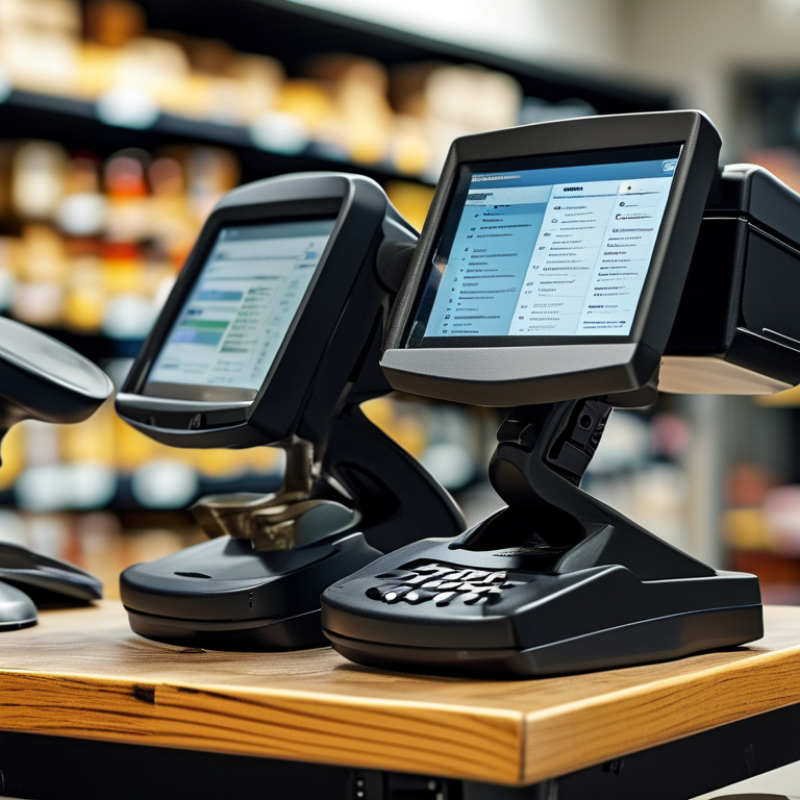
When selecting a bar code reader, understanding the various types available is essential. Handheld scanners are popular for their portability. They work well in retail environments, allowing staff to quickly scan items. Fixed scanners, on the other hand, are often mounted in checkout lines. They provide hands-free operation, which can speed up transactions significantly.
Laser scanners and image-based readers are two main categories. Laser scanners are efficient at reading standard bar codes. They excel in bright lighting but struggle in low-light conditions. Conversely, image-based readers use cameras and can decipher more complex codes. These readers also handle damaged bar codes better than their laser counterparts.
Consider the durability of the device for environments like warehouses. Some models withstand drops and dust. However, they may come at a higher cost. Additionally, integration with existing systems is critical. Compatibility with POS software saves time during implementation. Take the time to evaluate your business needs, as not all options suit every setting.
Choosing the right bar code reader for your business is crucial. Several key features can significantly impact efficiency. First, consider the scanning speed. A fast device reduces wait times and increases customer satisfaction. Look for readers that can handle different bar code formats. Compatibility ensures you can adapt to various products.
Next, assess the durability of the reader. If your operation involves heavy usage or a dynamic environment, choose a rugged model. Check if it is water and dust-resistant. This adds longevity to your investment. Battery life also matters. A reader with extended battery life supports uninterrupted work, especially in busy settings.
Lastly, evaluate the user interface. A straightforward design allows staff to operate it easily. Training time can be minimized with intuitive controls. However, don’t overlook software compatibility. A reader should integrate seamlessly with your current systems. Reflect on your specific needs. What works for one business may not suit another. Consider testing a few models before making a final decision.
When selecting a bar code reader for your business, understanding price ranges is crucial. Budget considerations can heavily influence your decision. Low-cost options might seem attractive, but they often lack advanced features. Investing a bit more can mean better performance and durability.
Consider the total cost of ownership. Cheaper models may incur additional expenses over time. These can include replacement parts and maintenance. An affordable device today may not suit your needs tomorrow. Reflecting on the long-term use can lead to wiser spending choices.
Tips:
When selecting a barcode reader for your business, ensuring compatibility with existing systems is crucial. Your chosen device must seamlessly integrate with your point-of-sale systems, inventory management software, and any other relevant applications. A mismatch can lead to inefficiencies, hampering operations and frustrating staff. It's vital to assess which systems you currently employ and how data flows between them.
Testing is a key aspect of this compatibility assessment. Conduct trials with potential barcode readers in real-world settings, under typical business conditions. Observe how these devices interact with your software. Sometimes, unexpected discrepancies arise, revealing limitations that could affect your workflow. Gathering feedback from your team on usability can provide deeper insights into potential issues.
Documentation is another essential element. Ensure that the barcode reader includes comprehensive manuals and support materials. This information not only aids initial integration but also supports ongoing uses. Investing time in understanding data formats and connectivity options can prevent future headaches. Failing to do so might leave you grappling with operational challenges down the line.
When selecting a bar code reader, customer reviews can guide your decision. Reviews often reveal practical experiences from users. A positive review may reflect reliability, while a negative one can highlight deficiencies. Pay attention to common themes that arise in reviews. Users may share insights about performance in various settings.
Brand reputation also plays a crucial role. A well-regarded brand might offer better customer support and durability. However, even reputable brands have models that perform poorly. Test devices physically if possible. Observe their speed and accuracy. This direct experience can often outweigh what reviews say.
Uncertainty is normal when choosing hardware. Some readers may excel in specific tasks but falter in others. Be mindful of your business needs. Look for versatility without sacrificing reliability. Balancing brand trust with user feedback can help mitigate risks. Ultimately, your choice should reflect both informed judgment and personal experience.
„Thanks to the LUVIR technology, the solder resist process could be switched directly from the previously used mask exposure to direct exposure. As an outstanding digital solution on the market, this technology has been able to demonstrate fast process times and superior quality on our certified conventional ink in production. This allowed us to fully digitize the solder mask process at low cost – without process or ink adjustments. An excellent benefit to our production in Rot am See.“
Ralf Göhringer (Head of Production WE Rot am See)
I would definitely recommend the Limata machine and team for a future company purchase
Michael Greenaway
Compunetics Inc.
“The Limata ldi has been amazing!! Best thing we did was buy this machine”
Richard Brady
GM
Circuitlabs
“Since 2019, we have been running the Limata X1000 LDI system (including LUVIR for solder mask imaging) in daily production as an addition to our current process with film. The machine was capable of properly exposing Taiyo PSR-4000 BN (DI) solder mask types on normal to high-copper boards using a new and unique direct imaging process. The machine operating interface is very user friendly which allowed for a quick technical training curve. The pre-registration processing reduced several seconds of production time at every print. Limata support and service staff is incomparable. They supported our team every step of the way at basically any time of the day or night, with literally, an immediate response time, customizing the software interface to best fit our Operations and needs.
We have exposed more than 8,000 prints since end of October, on various solder mask colors and some resist film panels. Limata, has proven to be very capable and innovative. They are a strong contender in the industry.
We have very much enjoyed this project, and working with the team!
Thank you Limata for the continued support and being a part of our growth.”
Bill Sezate
Vice President, GM
Summit Interconnect
As a replacement to our current contact exposure process with film, the LIMATA X2000 system including LUVIR-Technology was capable of properly exposing non-LDI solder mask types using a direct imaging process. The machine offers cutting edge software with a very intuitive operating interface which allowed for quick technician training curve. The dual drawer system combined with pre-registration processing reduced several seconds of production time at every machine cycle. Limata support and service staff is world class. They added software patches to keep production running at shortest possible response times, customized the software interface to best fit our in-house Operations system, and even wrote a step-by-step machine processing manual. As a result of the project, we have exposed more than 16,000 times on various product types and solder mask brands/colors. Limata, in a very short timeframe as a company, has definitely shown they are truly innovative and will be challenging the industry of direct imaging for the top spot.
Kevin Beattie
Process Engineer
TTM Technologies
Forest Grove Division
